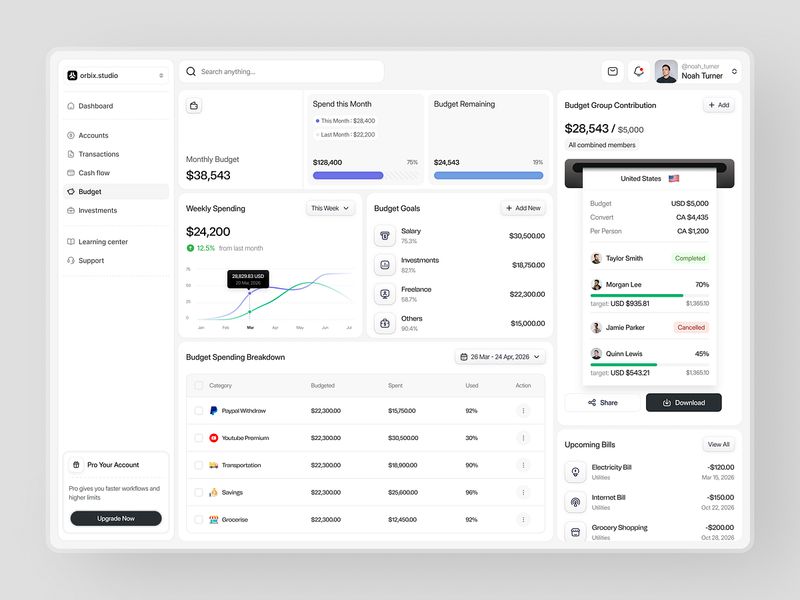
Design Inspiration
Dashboards, admin panels & analytics design inspiration
In an increasingly data-driven world, designing charts and dashboards with clean and insightful displays is quickly becoming one of the most in-demand skills on the market. Dashboarding uses a variety of different displays - both static and interactive - to convey information in easy-to-understand, logical ways.
We curate topical collections around design to inspire you in the design process.
This constantly-updated list featuring what we find on the always-fresh Muzli inventory.
Last update:
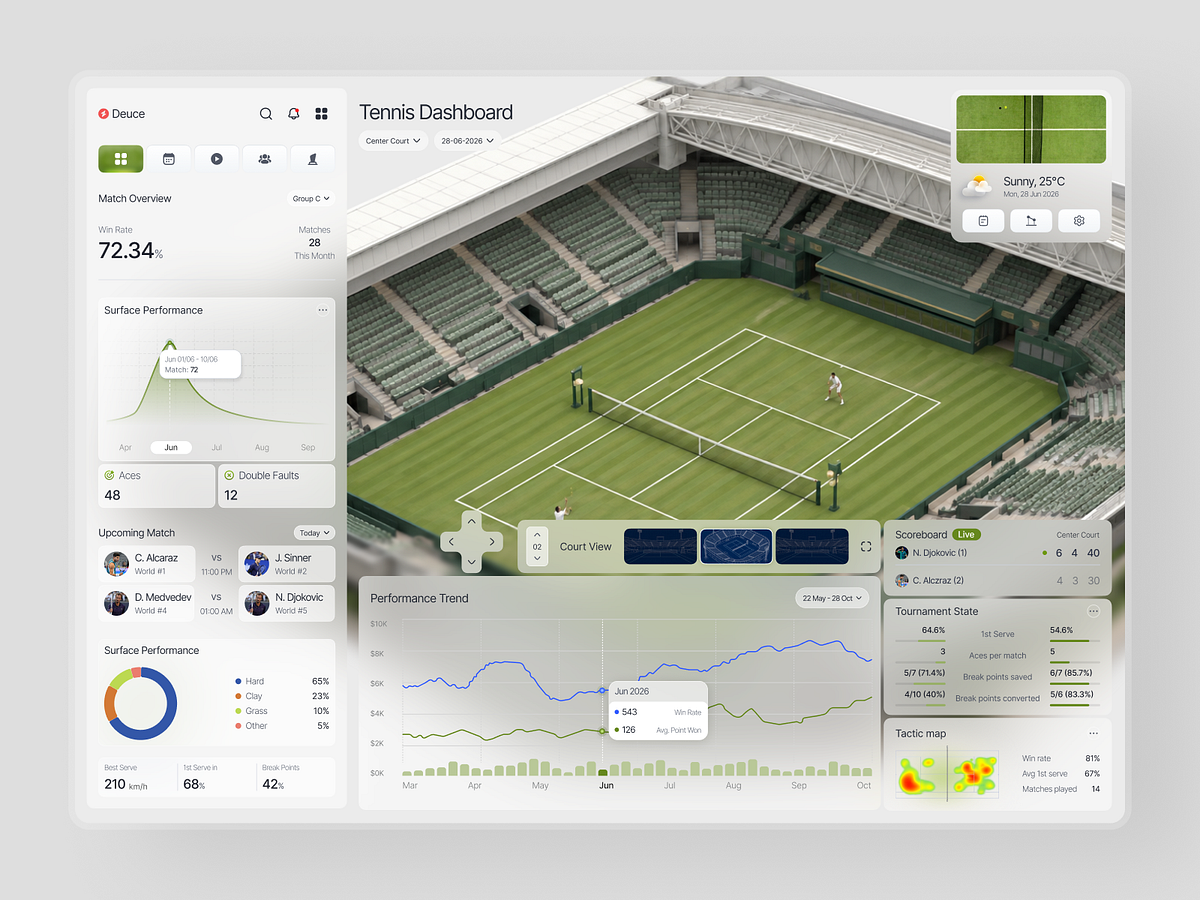
Deuce — Tennis Analytics Dashboard
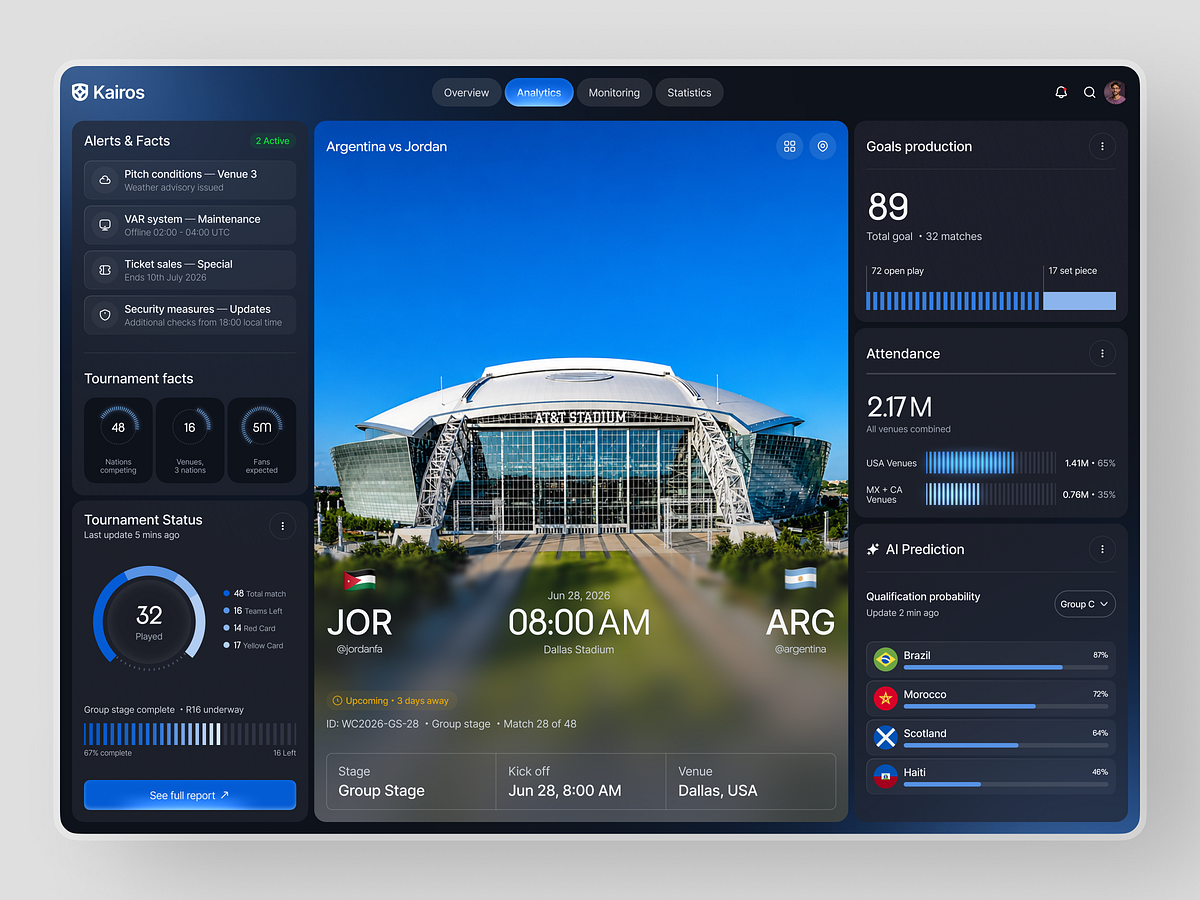
Kairos - Tournament Analytics Dashboard UI Design
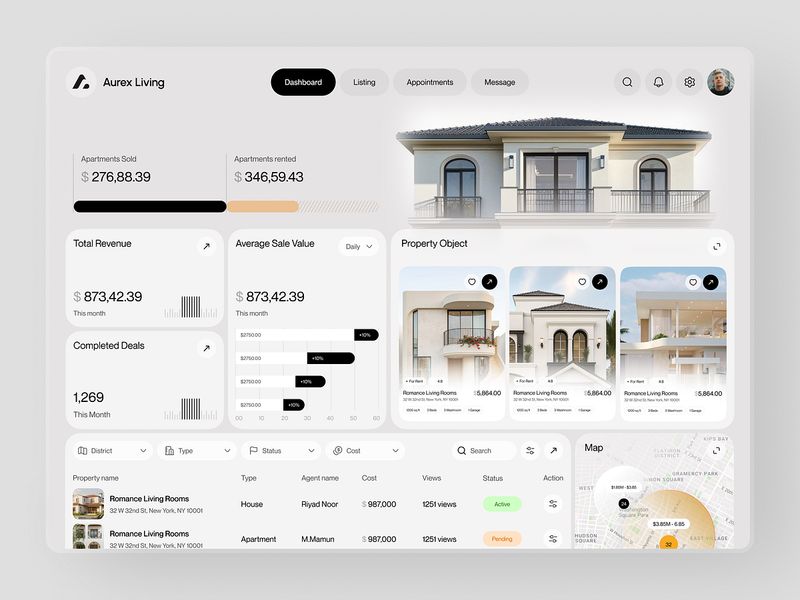
Aurex Living - Real Estate Dashboard UI Design
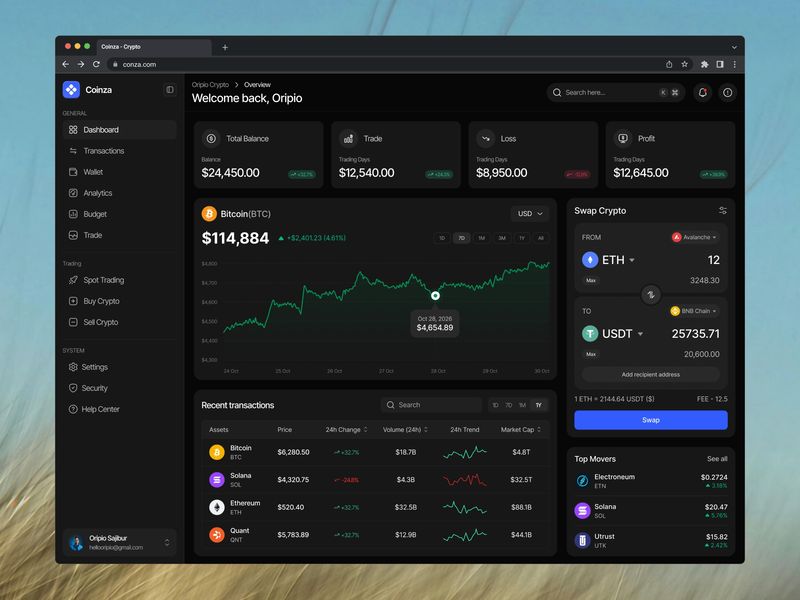
Crypto Wallet Dashboard
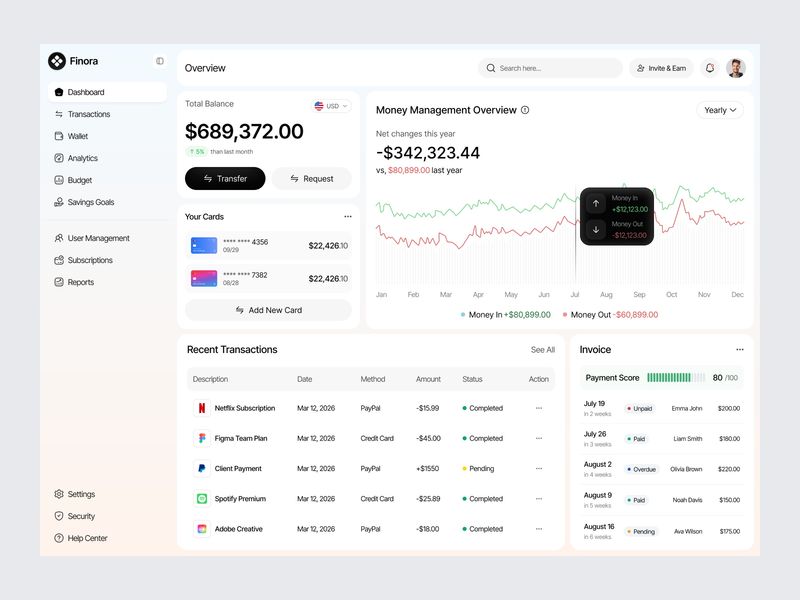
Finance Dashboard Design
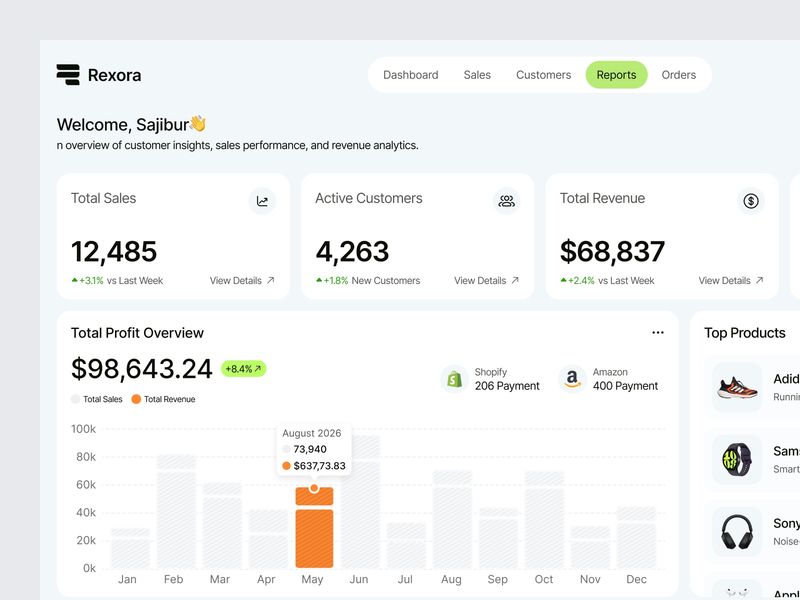
Sales Management Dashboard
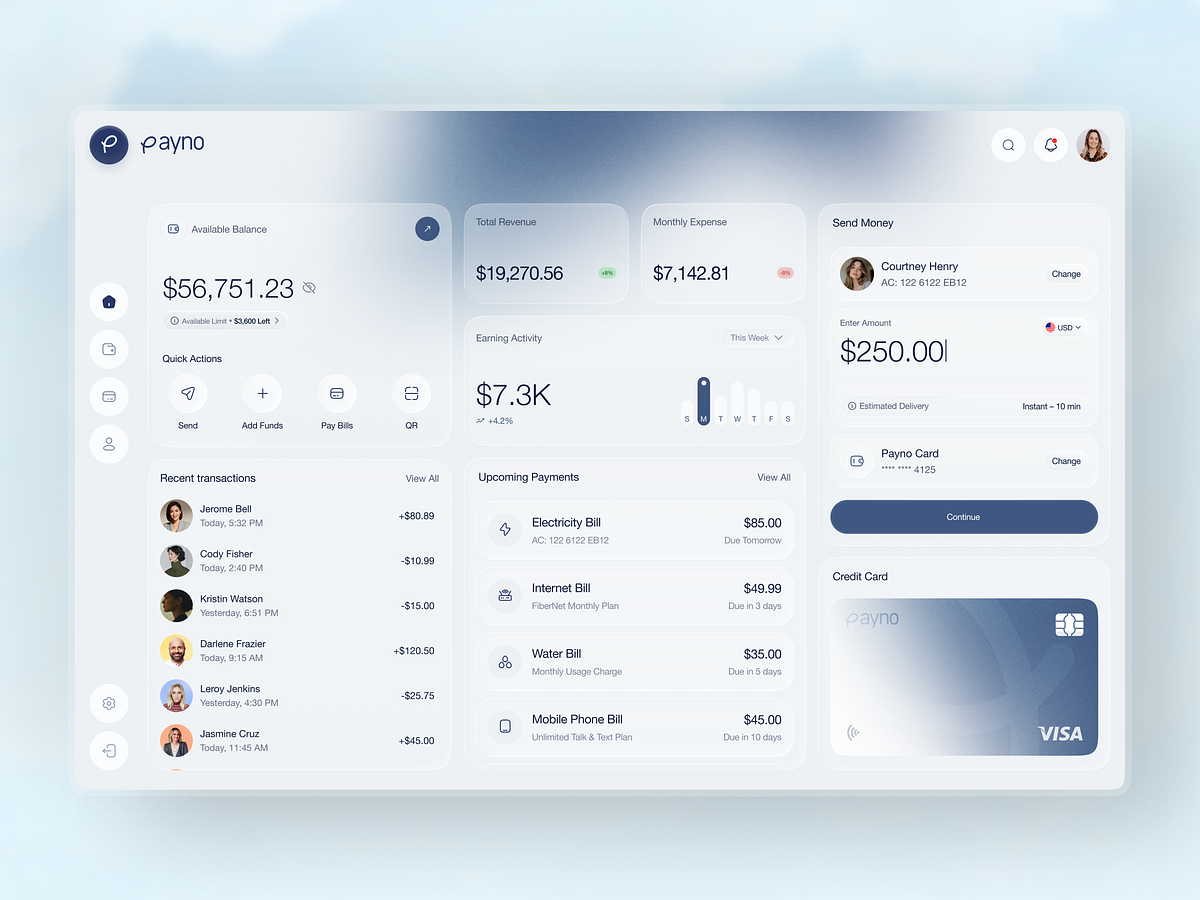
Payno - Personal Finance & Payment Dashboard Design
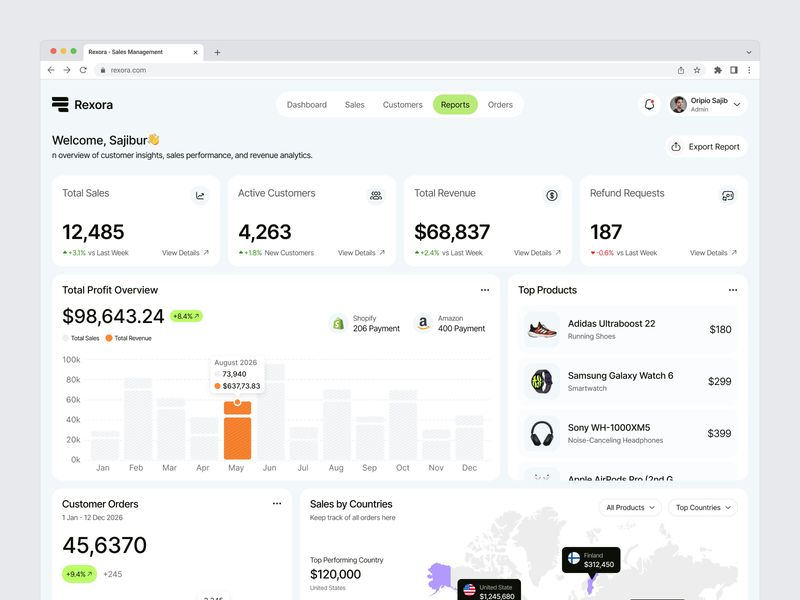
Sales Management Dashboard
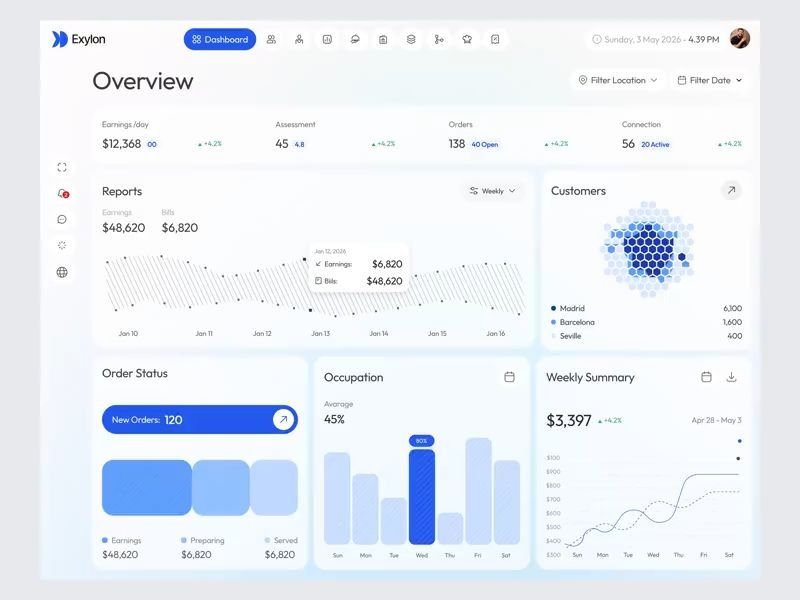
Executive Business Dashboard

Agent Analytics Dashboard
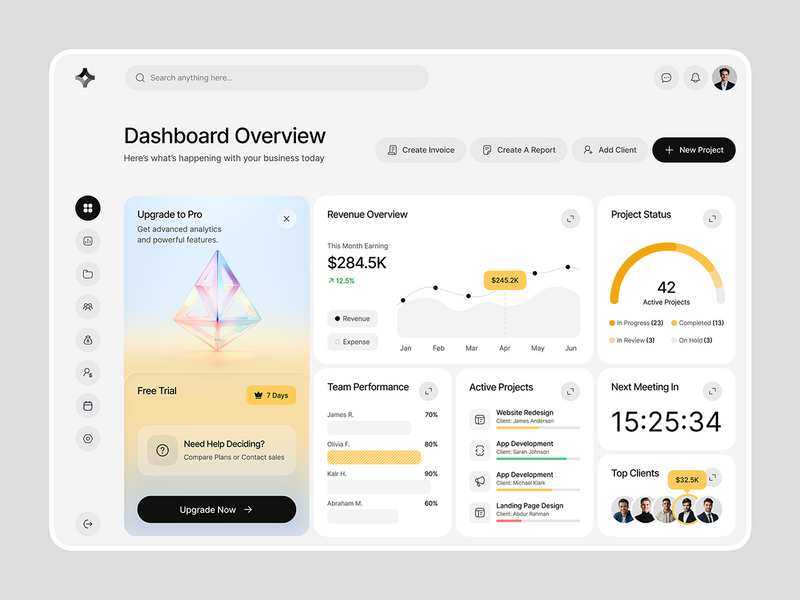
Agency Management Dashboard UI/UX Design
This is 1% of what Muzli shows you.
Get the rest — fresh design inspiration on every new tab, free.
Add Muzli — free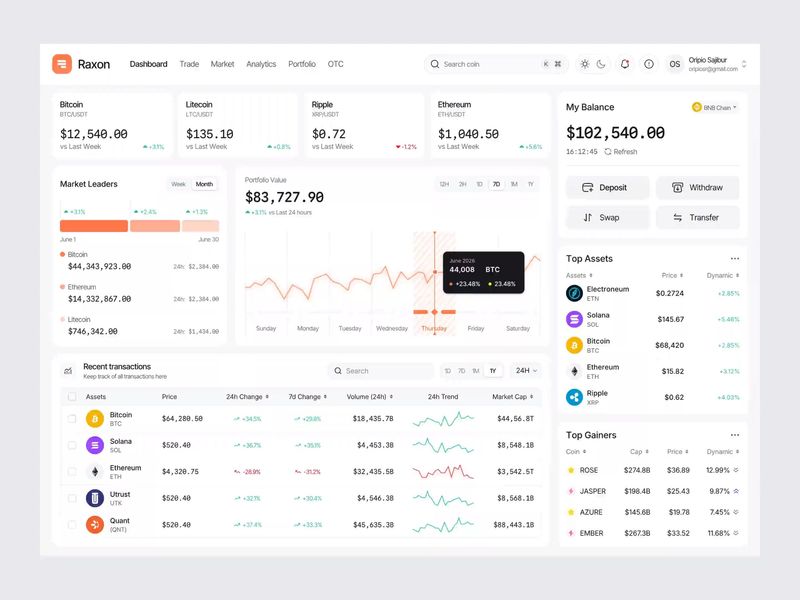
Crypto Trading Dashboard Design

Finance Management Dashboard Design
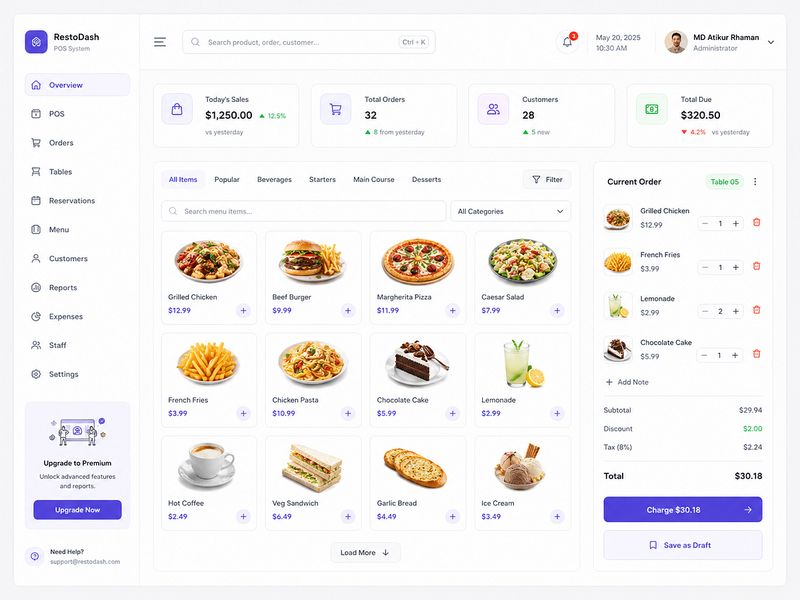
Restaurant POS Dashboard UI Design
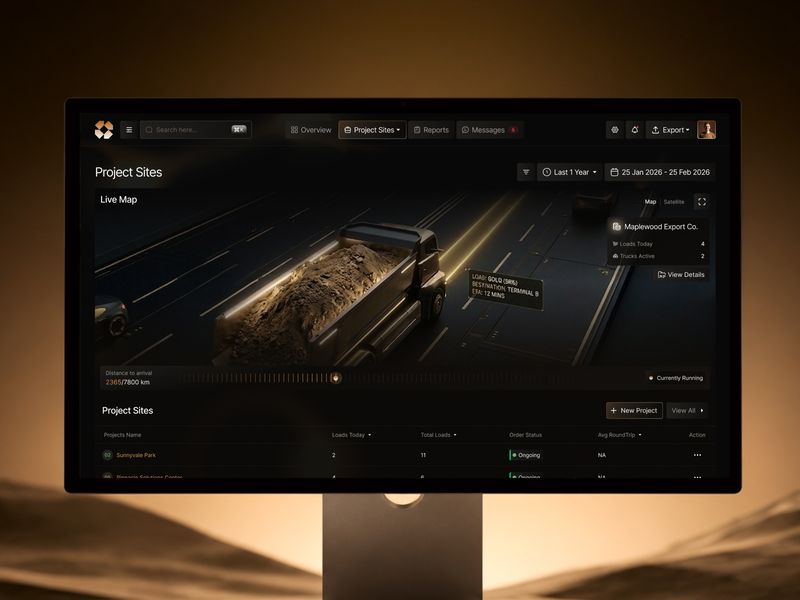
TerraFlux - Dark Mode Analytics Dashboard Design
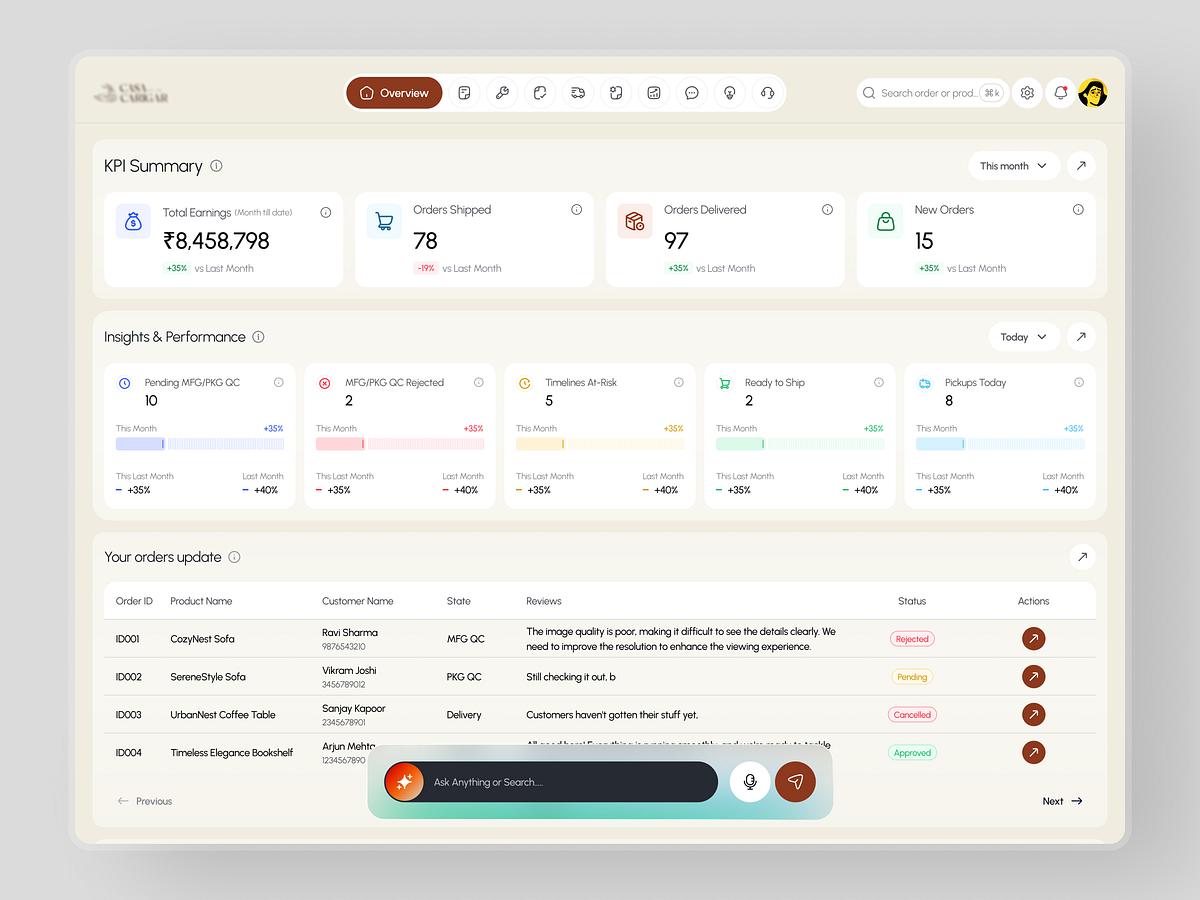
E-commerce operations dashboard
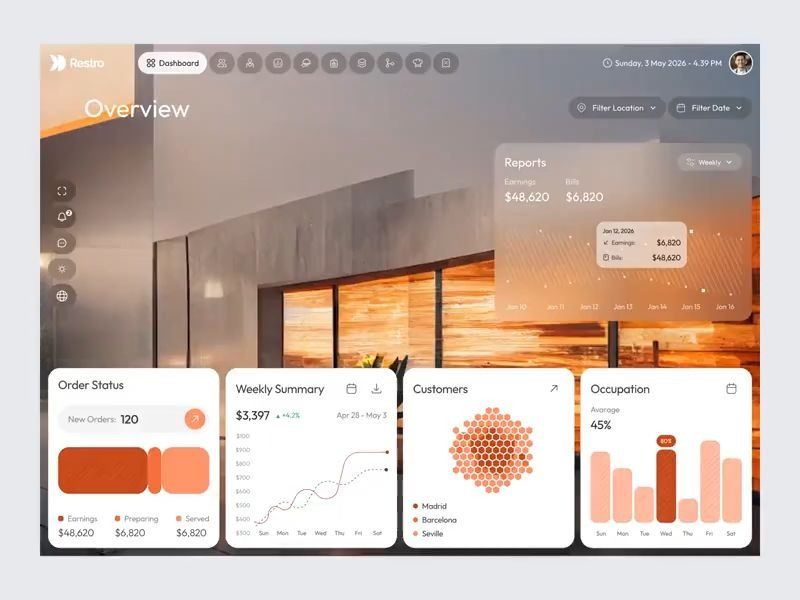
Restaurant Management Dashboard
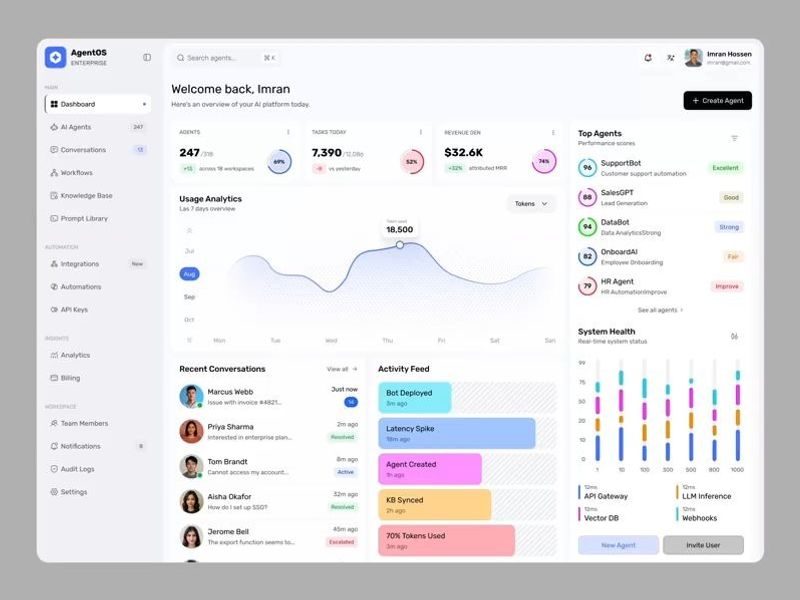
AI Agent Management Dashboard
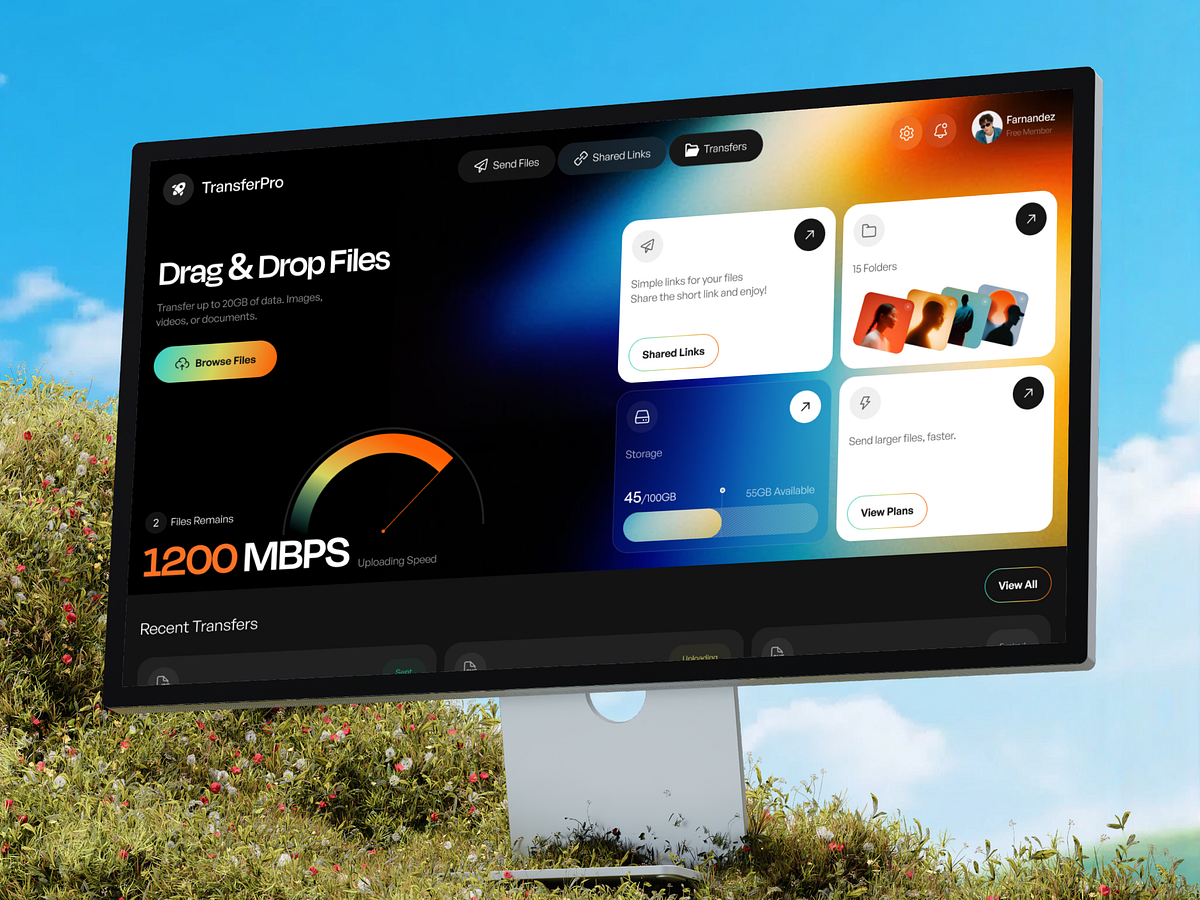
File Transfer SaaS Dashboard UI | Cloud Storage & Sharing
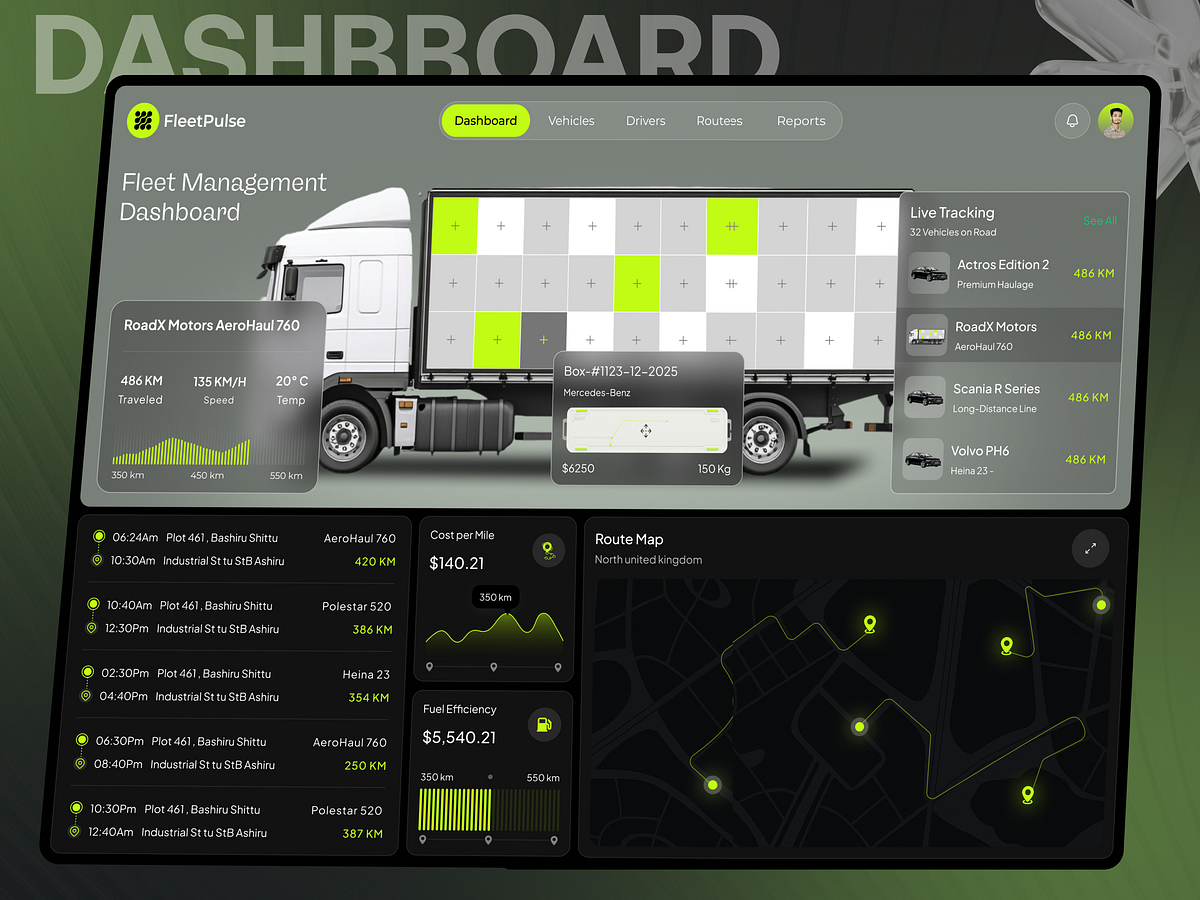
FleetPulse Modern Fleet Management Dashboard
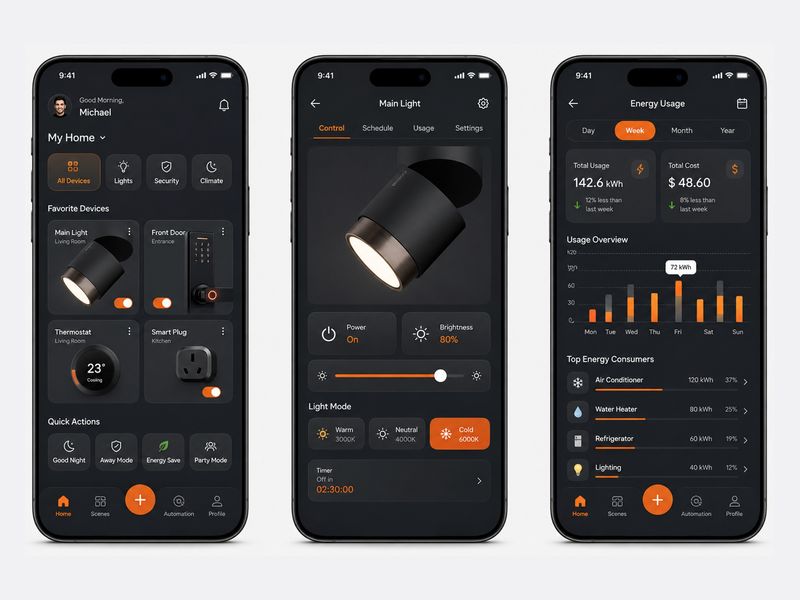
Smart Home App UI — Modern IoT Control & Energy Dashboard
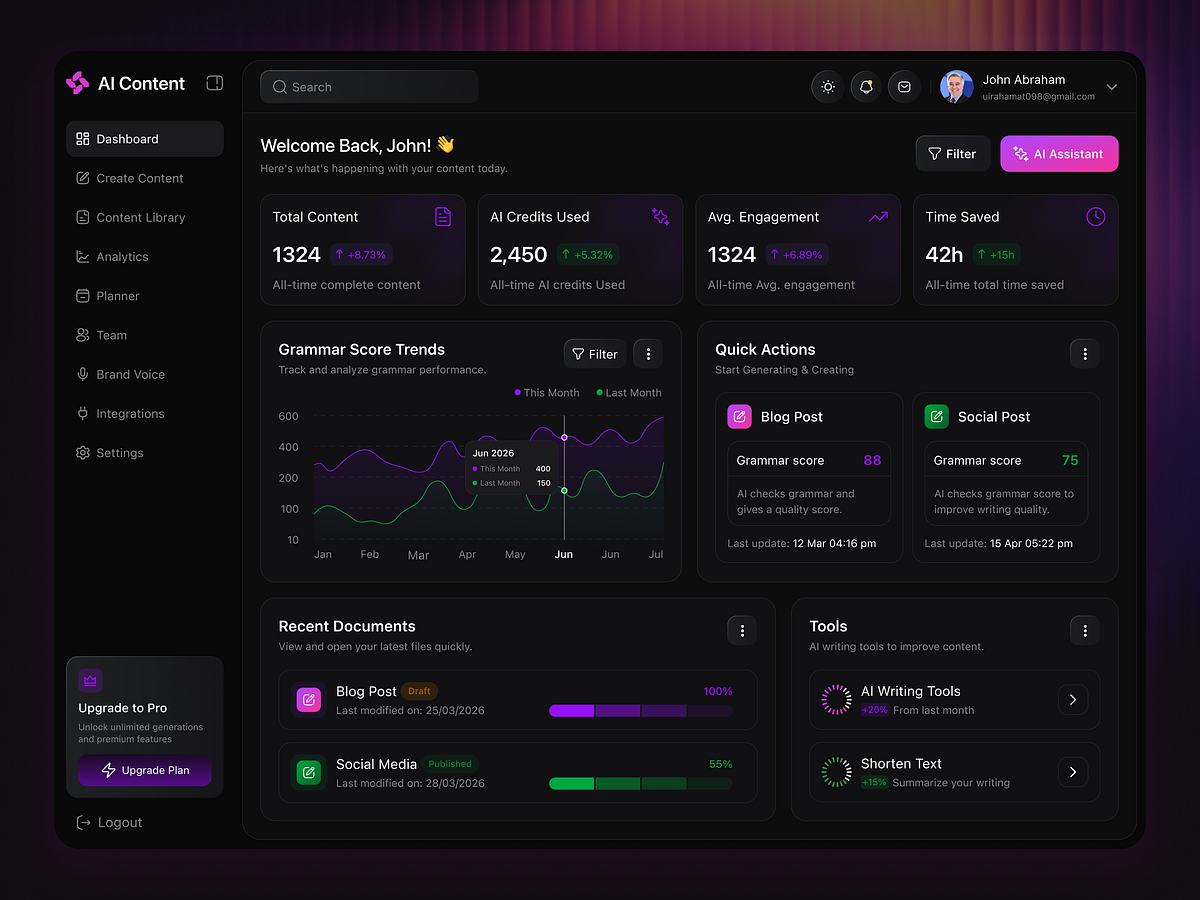
AI Content Creation & Analytics SaaS Dashboard – Dark Mode UI/UX
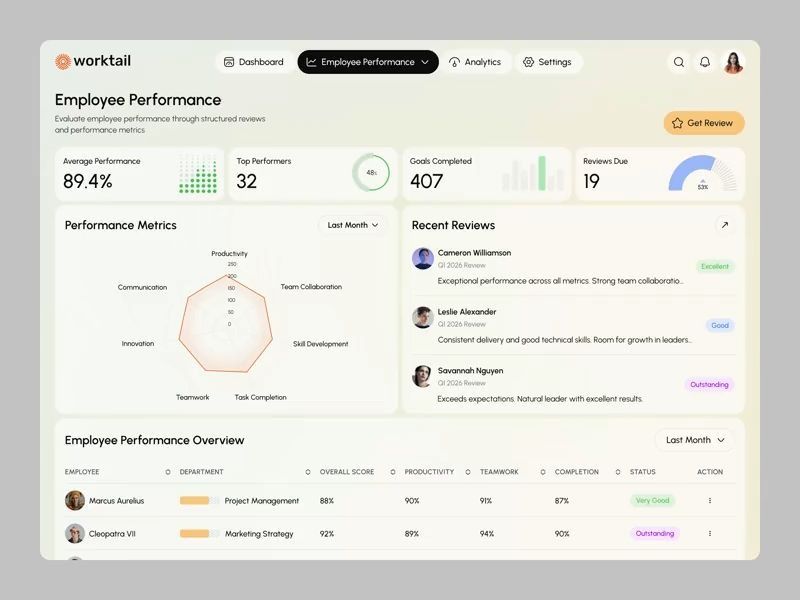
Worktail – Employee Performance Dashboard | HRM SaaS
This is 1% of what Muzli shows you.
Get the rest — fresh design inspiration on every new tab, free.
Add Muzli — free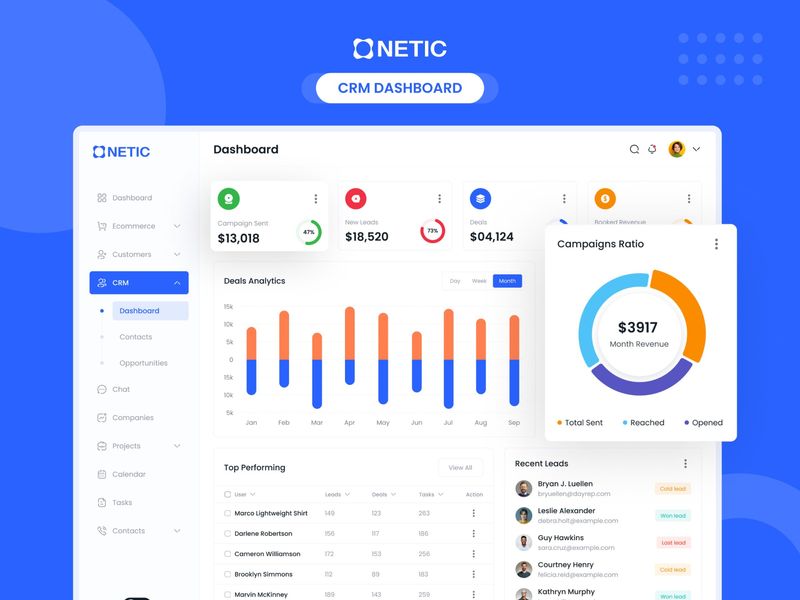
CRM Dashboard
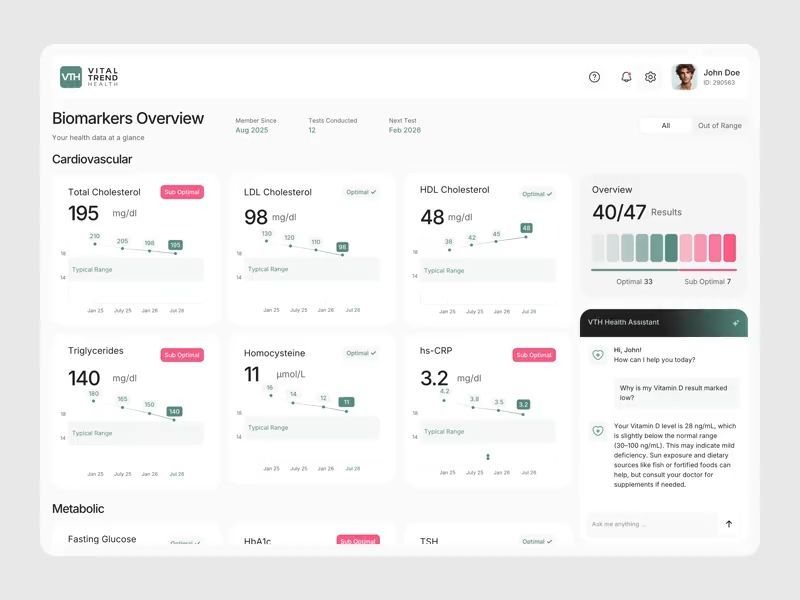
Health Biomarker Dashboard
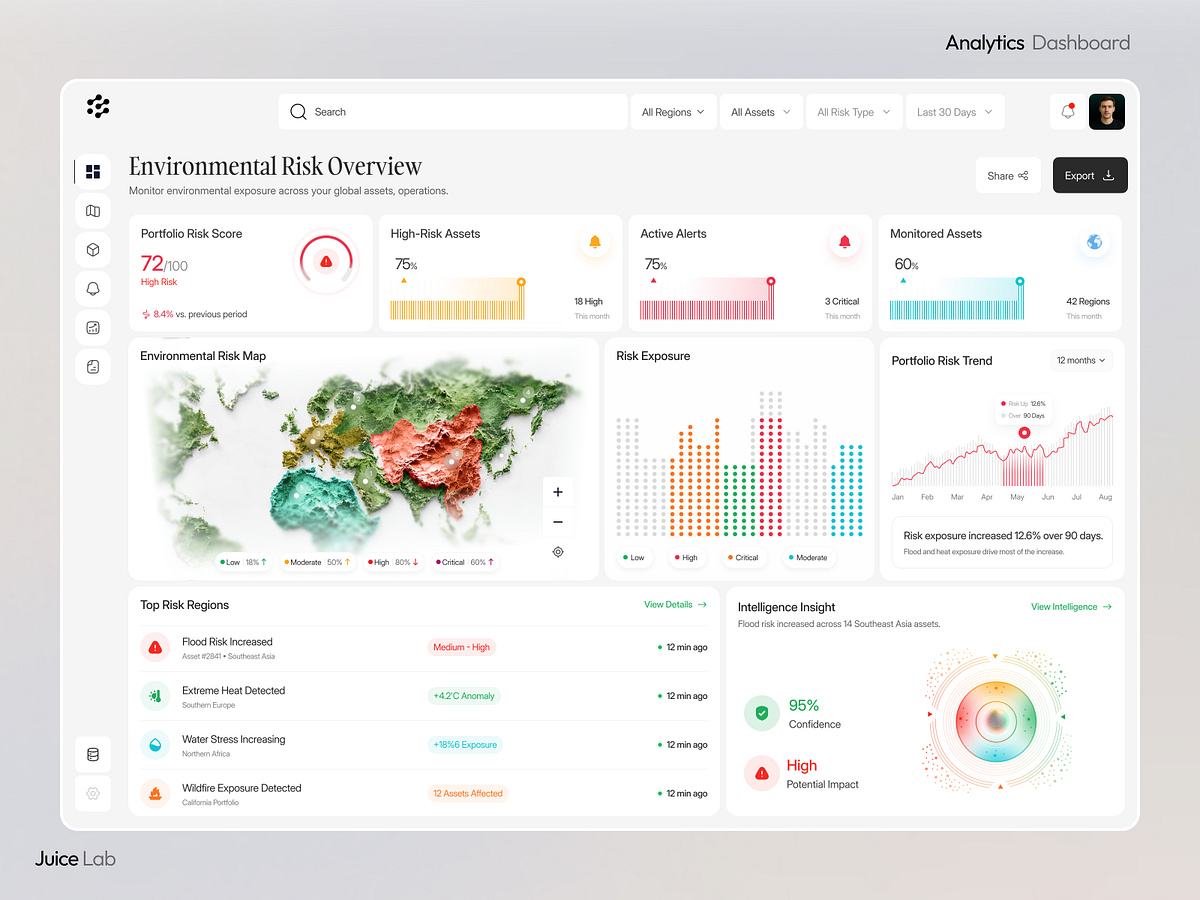
Environmental Risk Overview Analytics Dashboard

Cyber Defense Dashboard Design
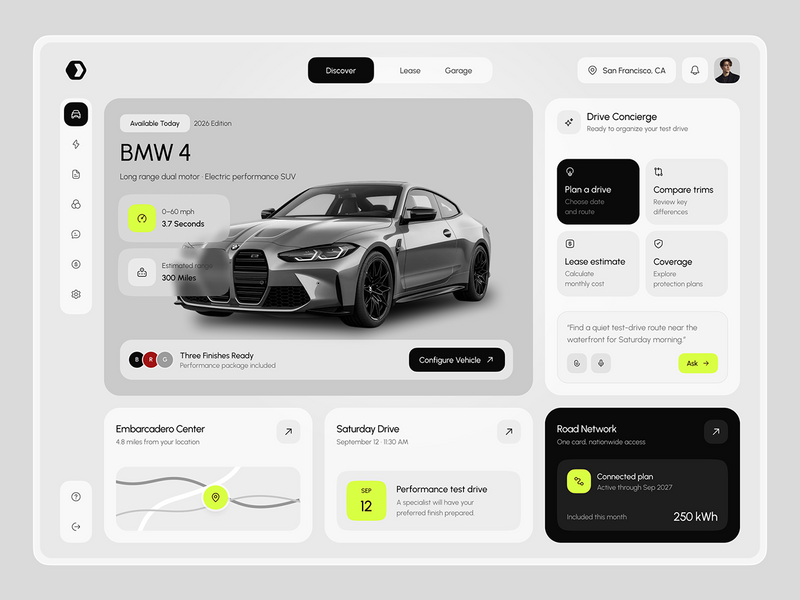
Car Rent Dashboard UIUX Design
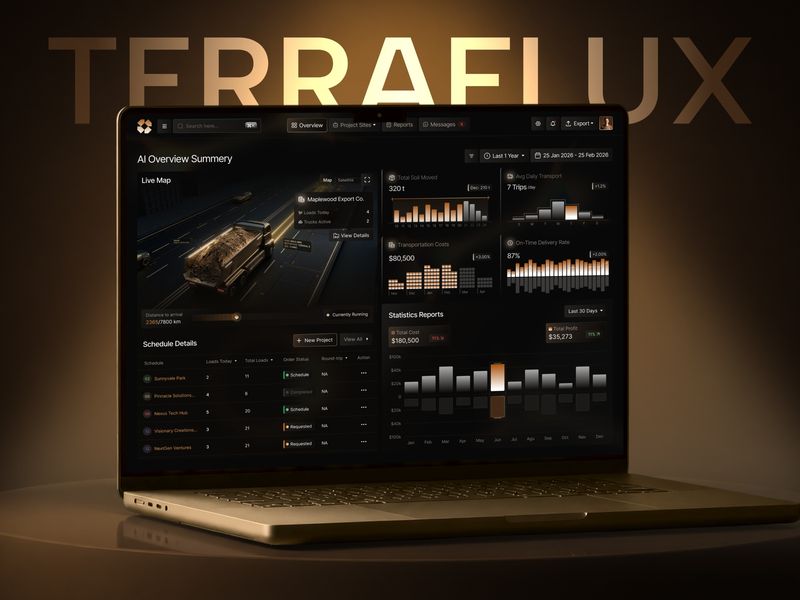
TerraFlux - Soil Management Dashboard UI/UX
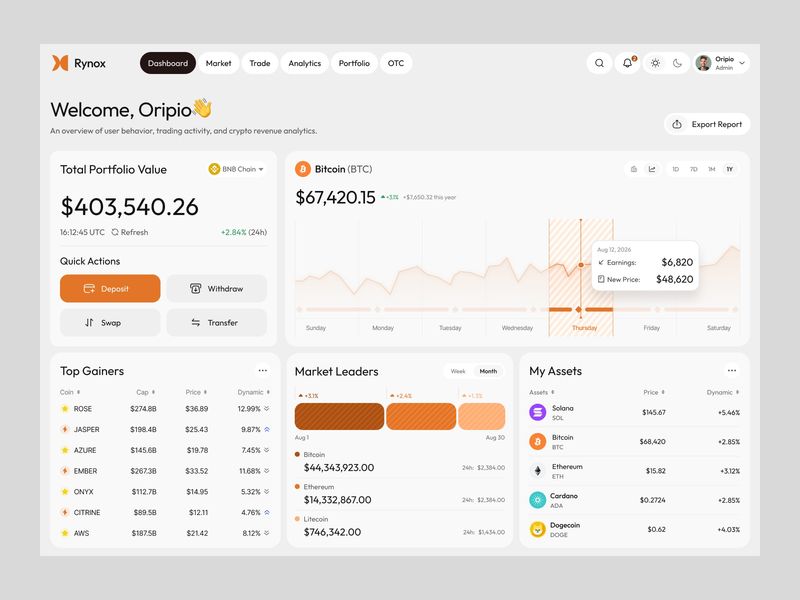
Crypto Dashboard
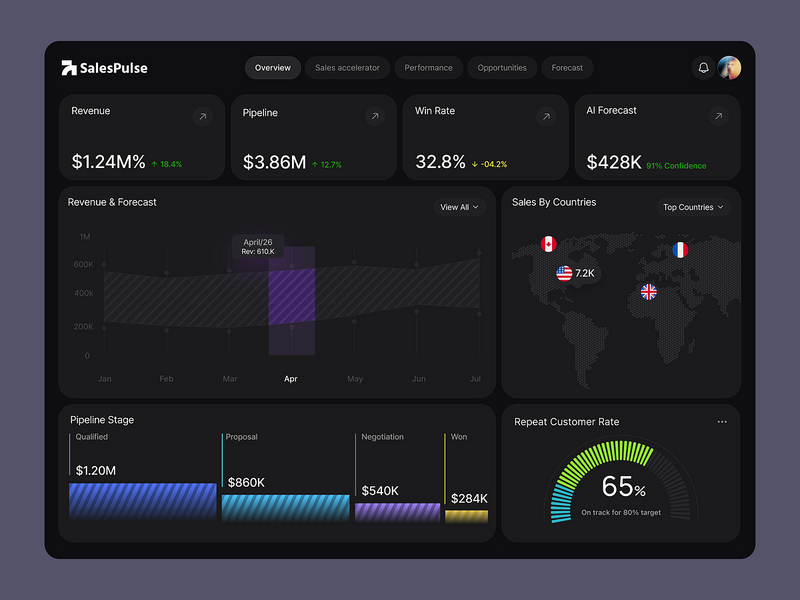
B2B SaaS Sales Dashboard UI Design
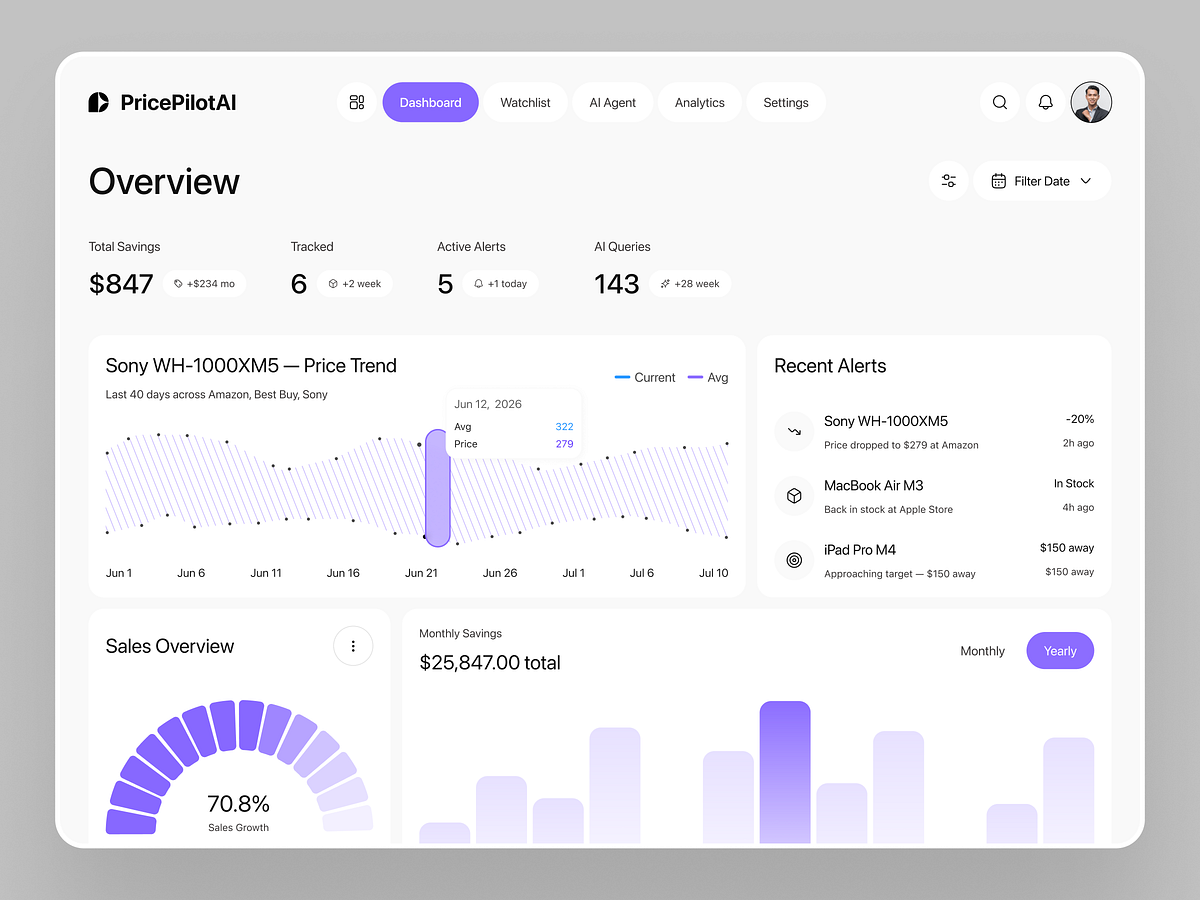
AI Price Tracking & Savings Analytics Dashboard
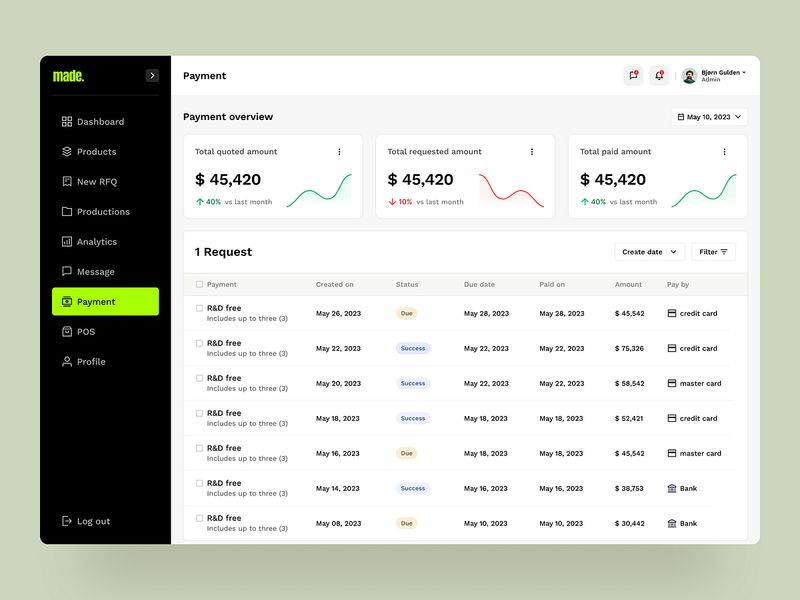
Made - Financial Management Dashboard
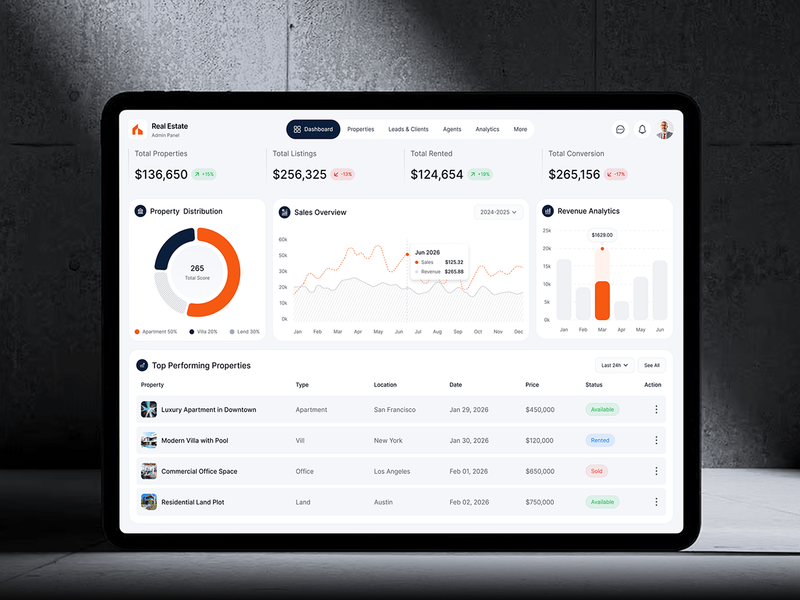
Real Estate Admin Dashboard
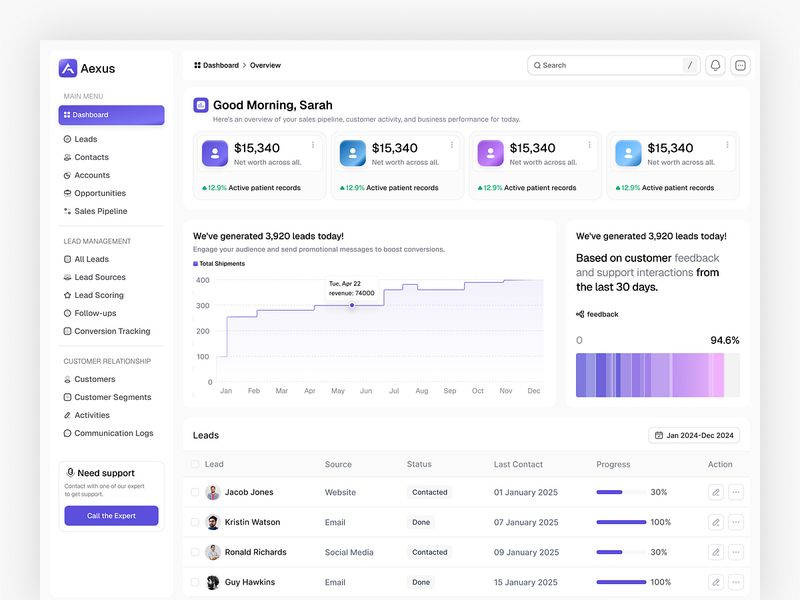
Aexus — CRM & Lead Management Dashboard UI
This is 1% of what Muzli shows you.
Get the rest — fresh design inspiration on every new tab, free.
Add Muzli — free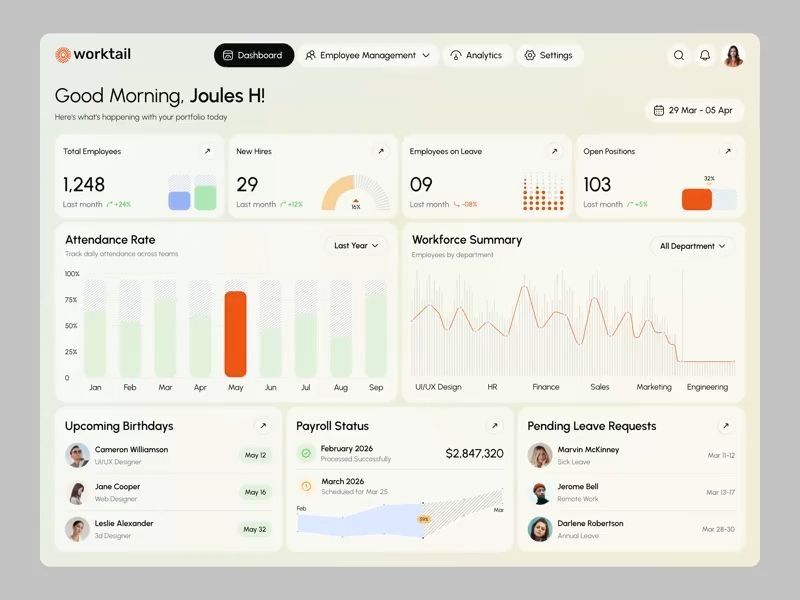
Worktail – HR Management Dashboard | SaaS UI
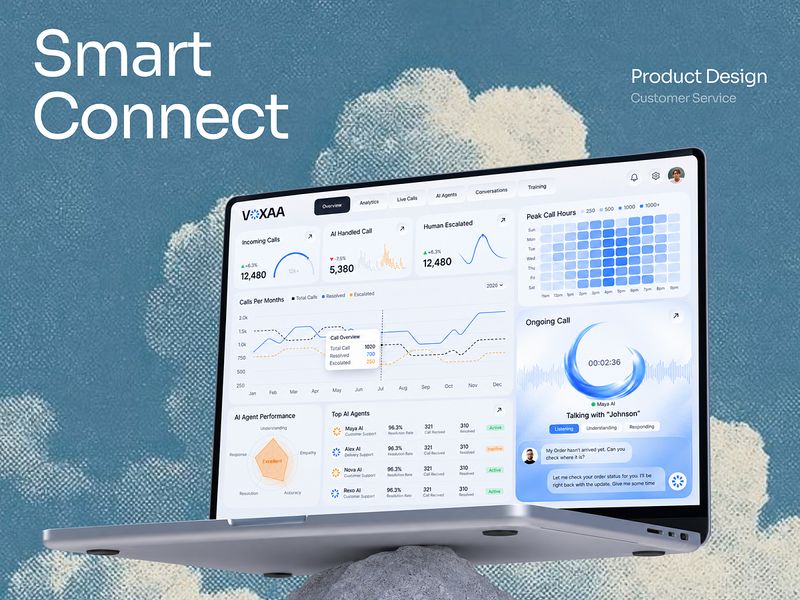
VOXAA - Sales CRM AI Call Centre Dashboard UI Design
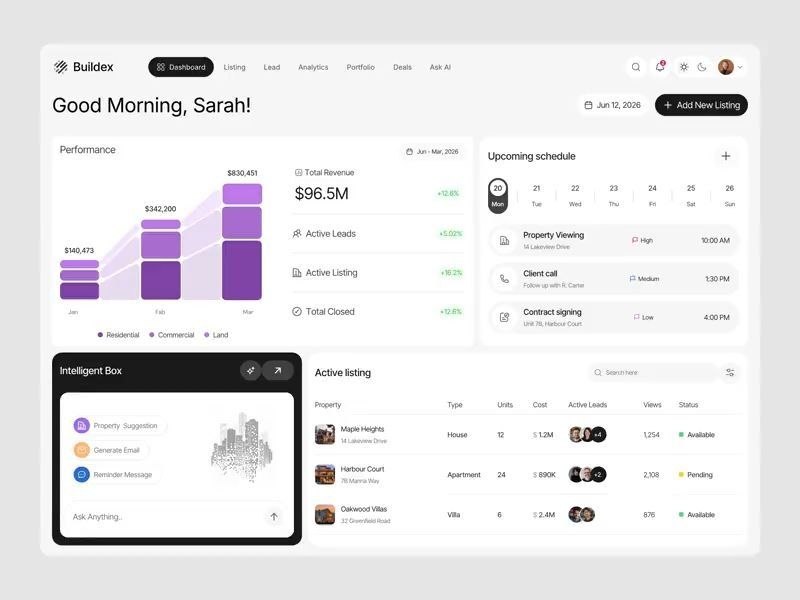
Buildex - AI Real Estate CRM Dashboard
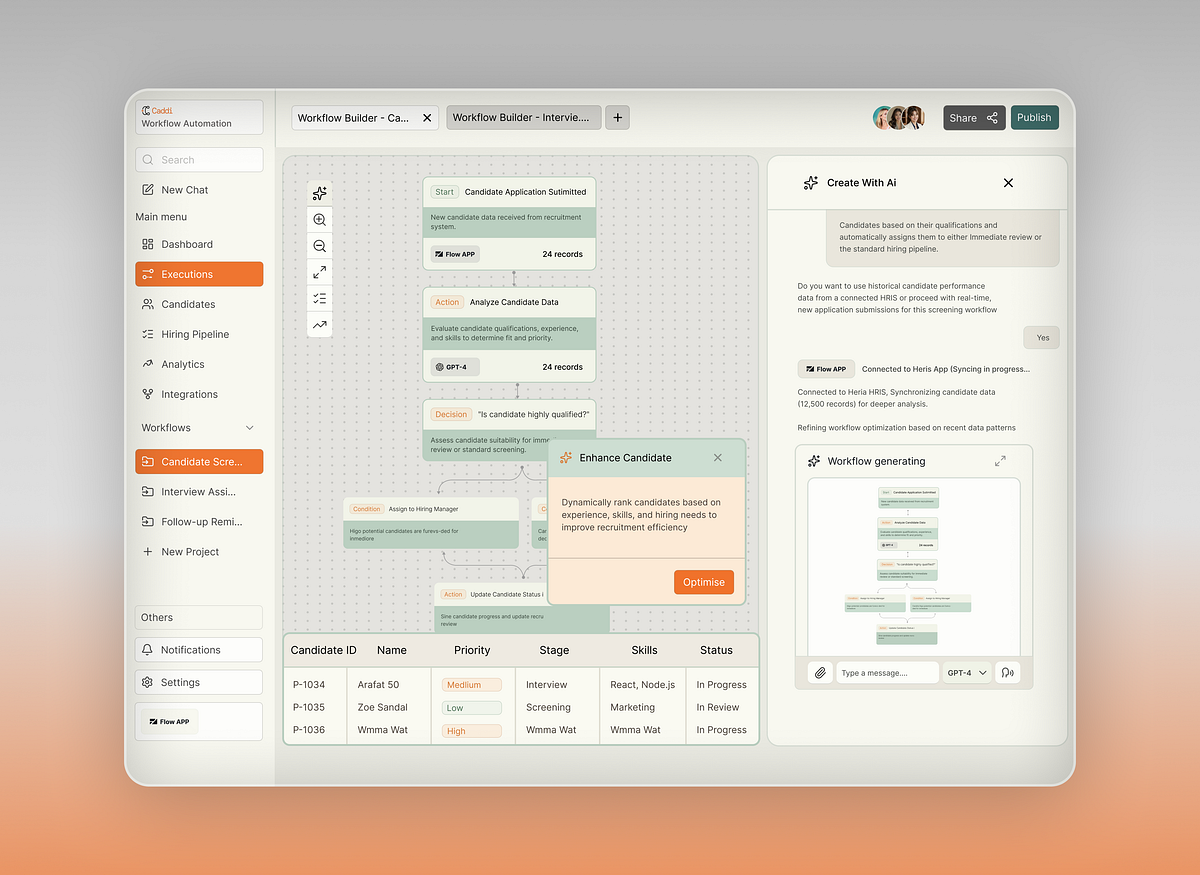
AI Workflow Automation Dashboard
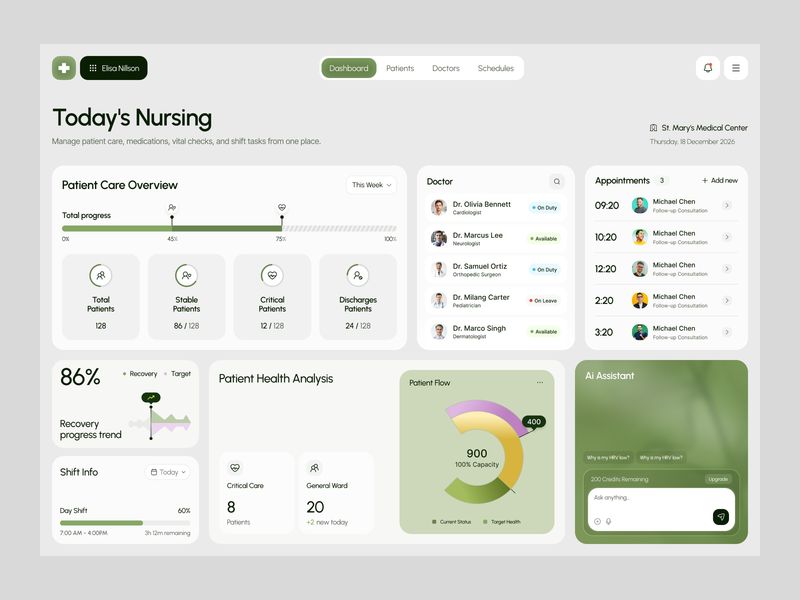
Healthcare Dashboard Design

Personal Finance Analytics Dashboard Design
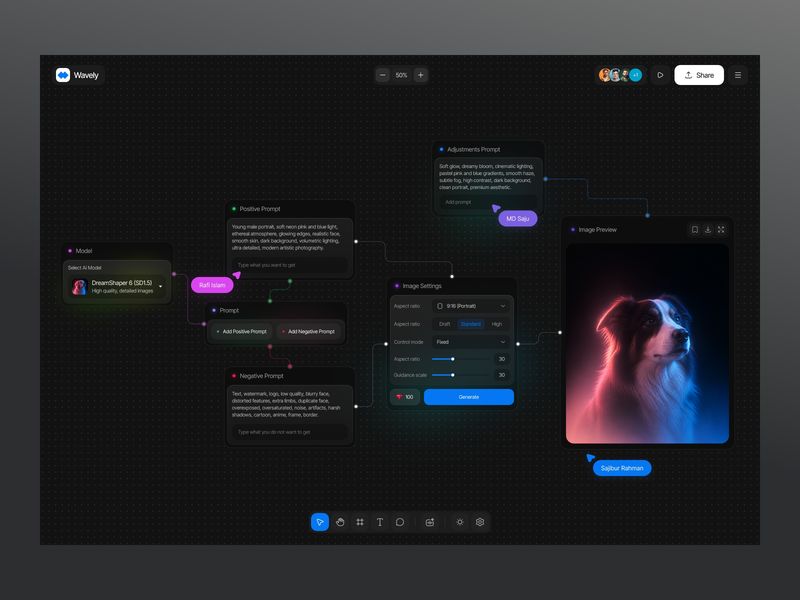
Wavely - Workflow Automation Dashboard
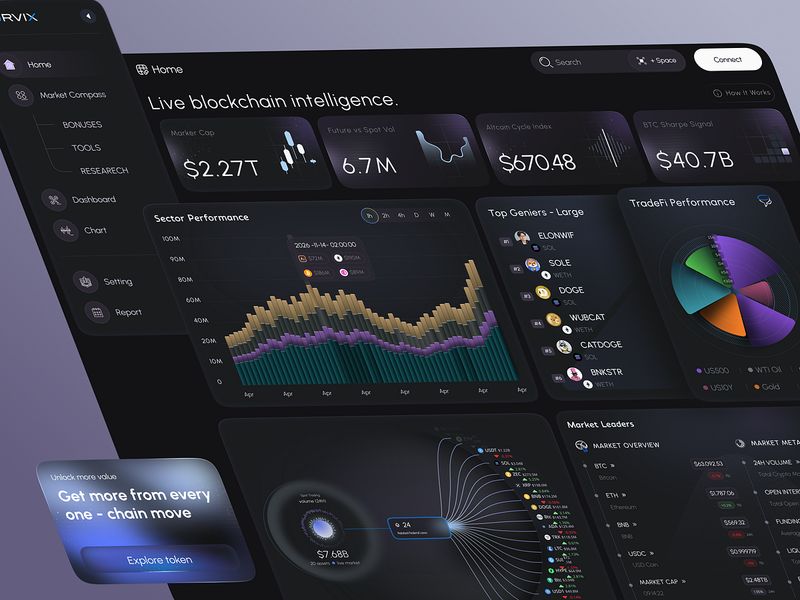
Web3 Crypto AI Dashboard – 3D Website Web Design
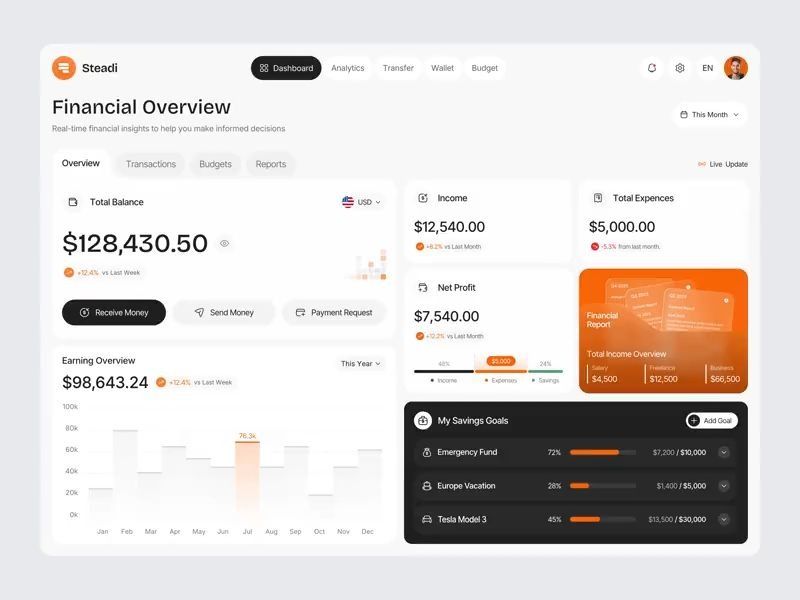
Finance Dashboard Design
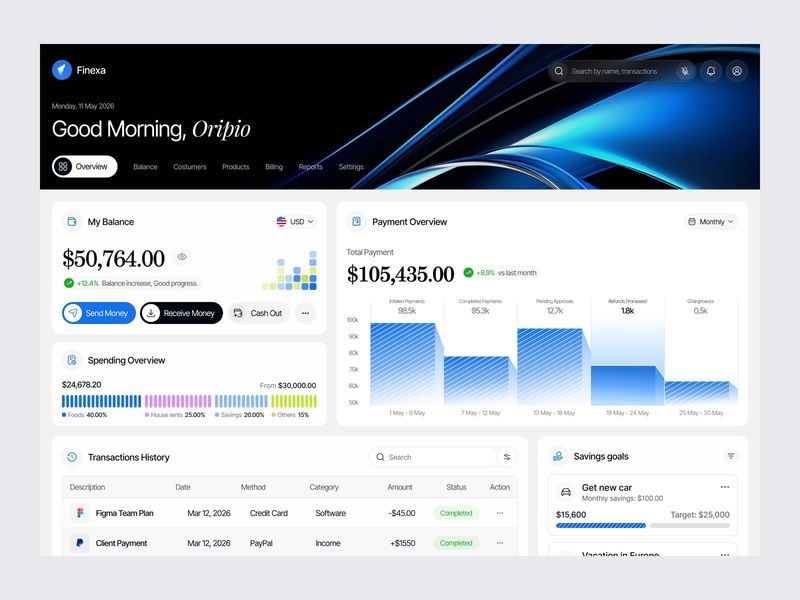
Finance Dashboard Design
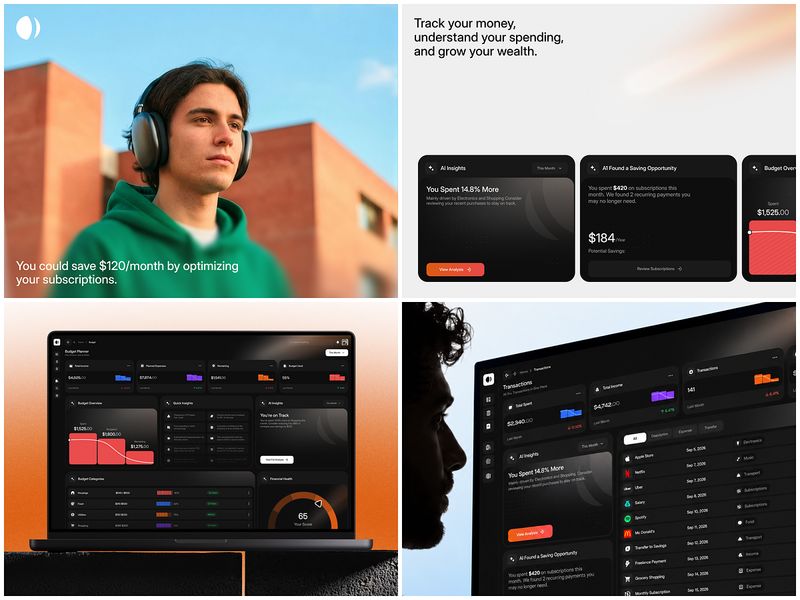
AI Finance Dashboard Design
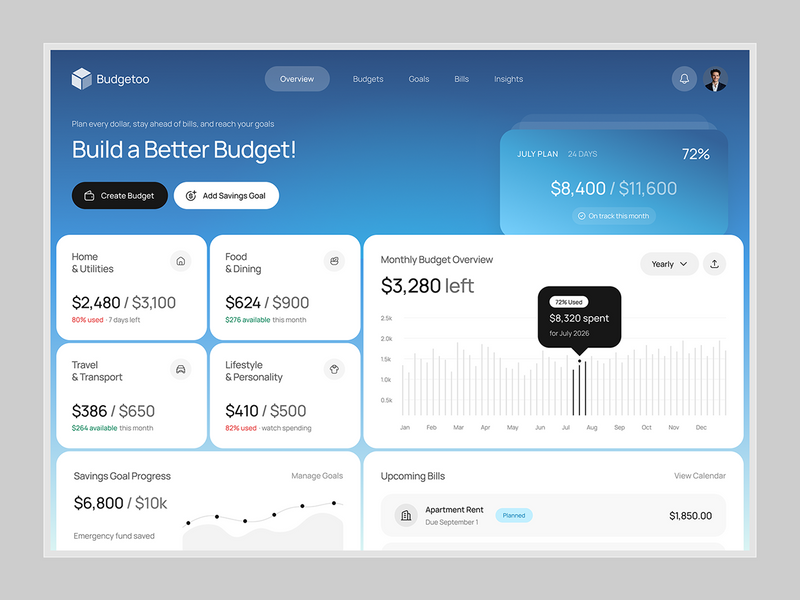
Budgetoo - Budget Planning Dashboard UIUX Design
This is 1% of what Muzli shows you.
Get the rest — fresh design inspiration on every new tab, free.
Add Muzli — free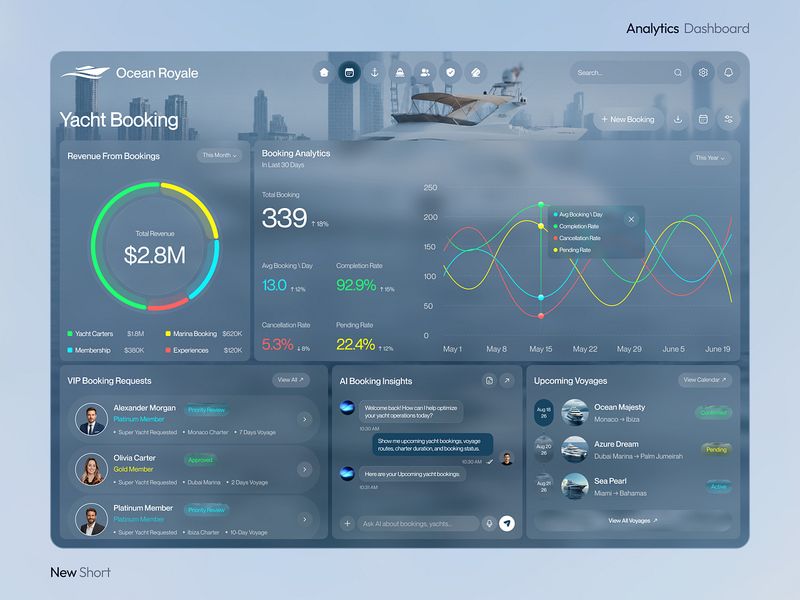
Ocean Royale Yacht Booking Analytics Dashboard
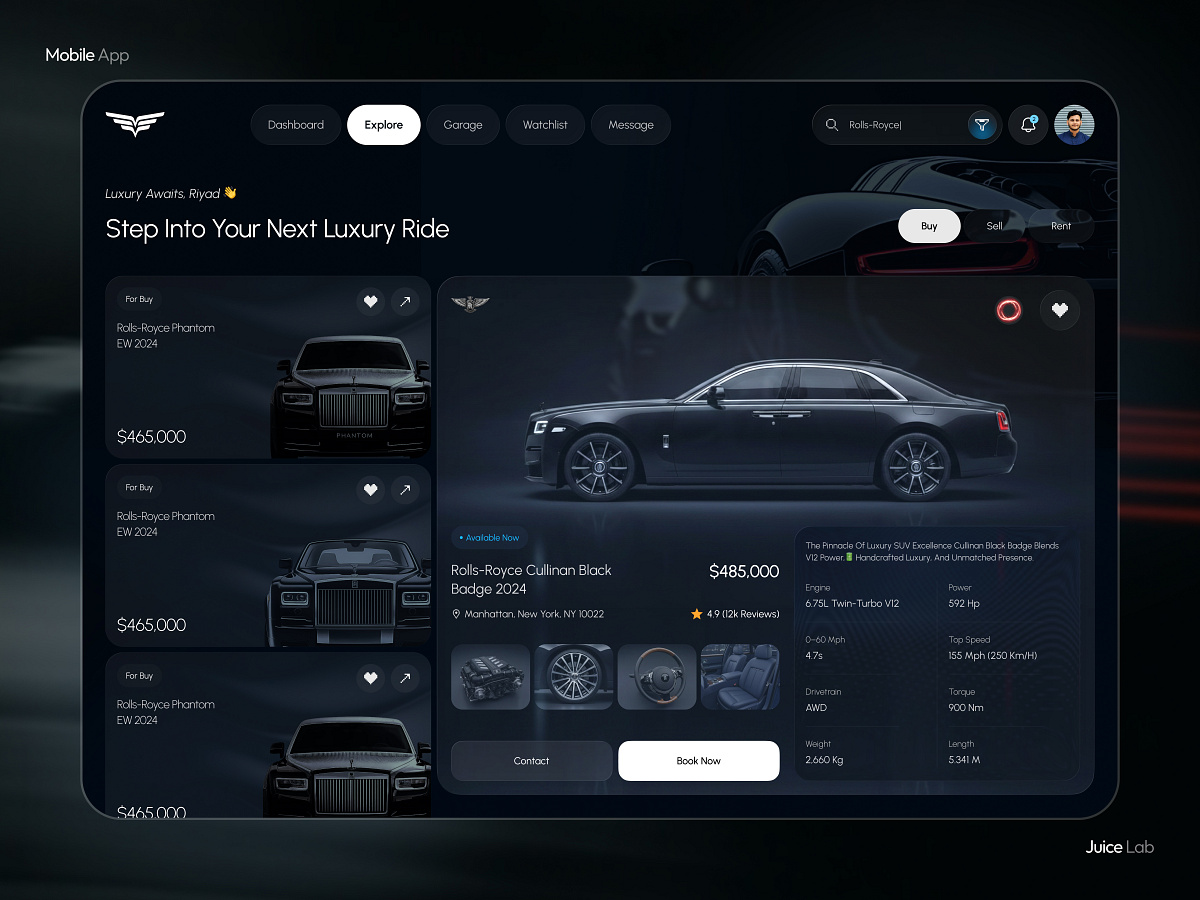
AI Luxury Car Dashboard
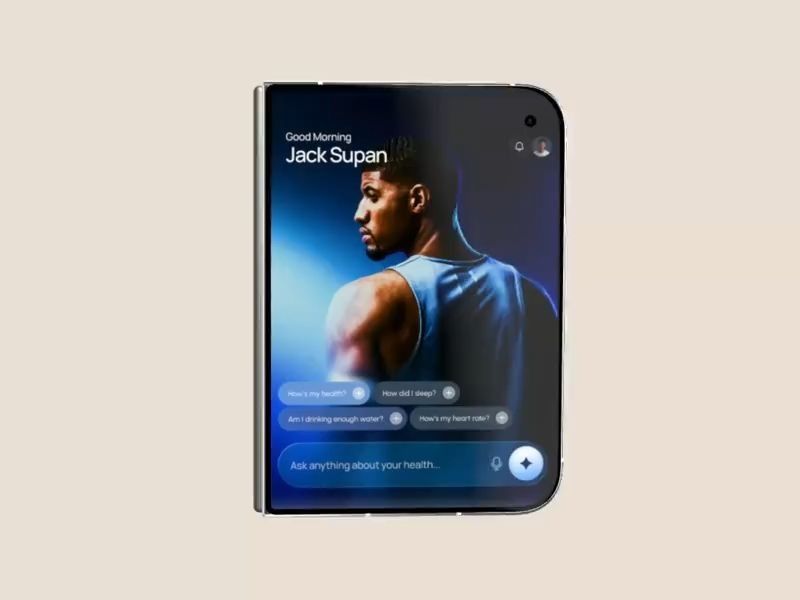
AI Health Tracking Dashboard
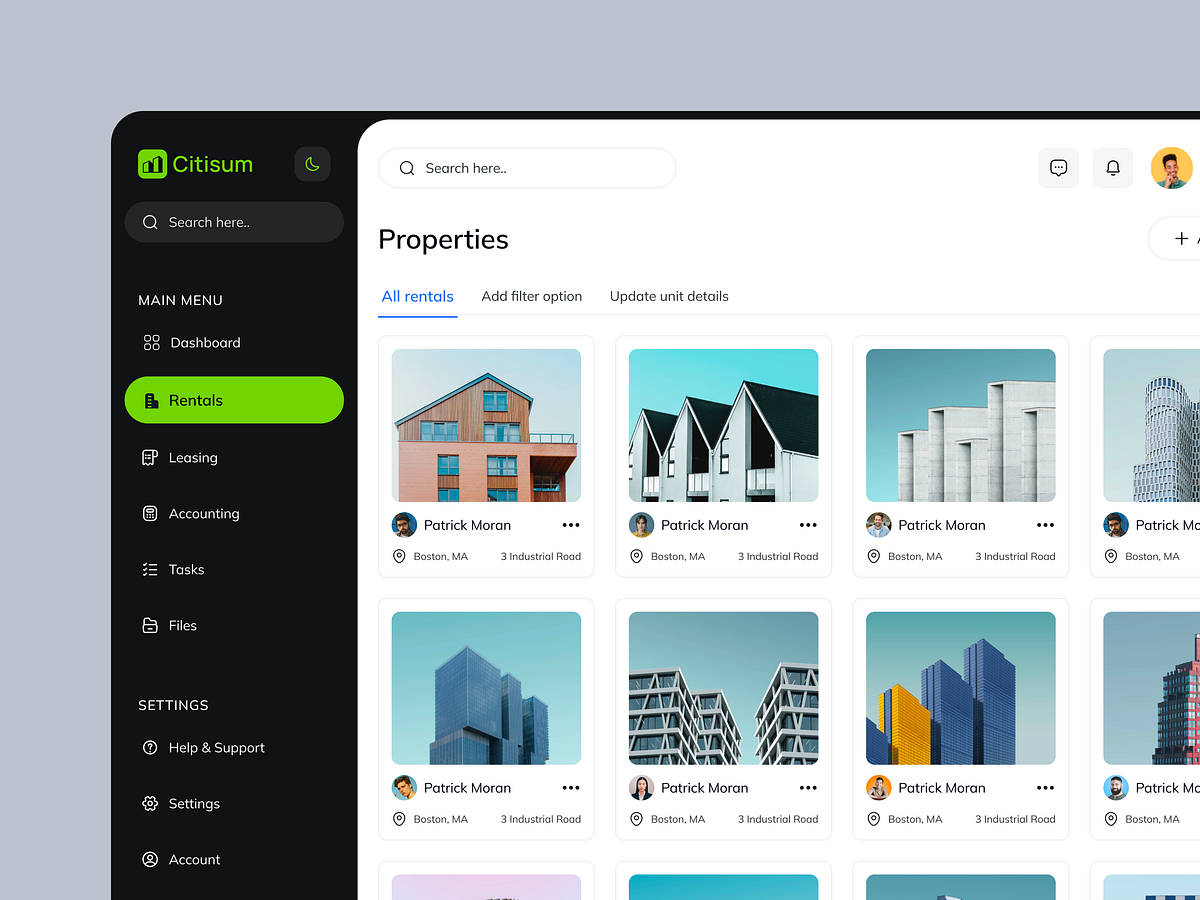
Citisum - Real Estate Dashboard Design
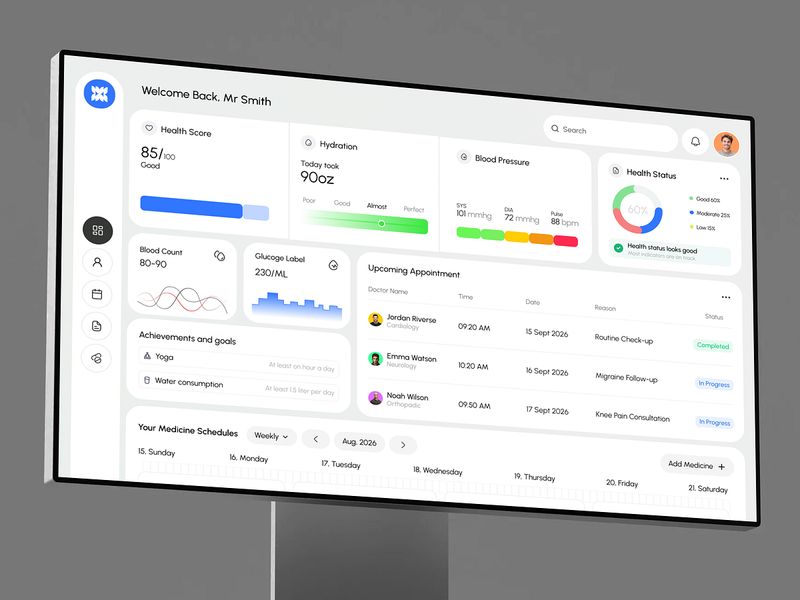
Healthcare Dashboard UI | Patient Health Monitoring Web App
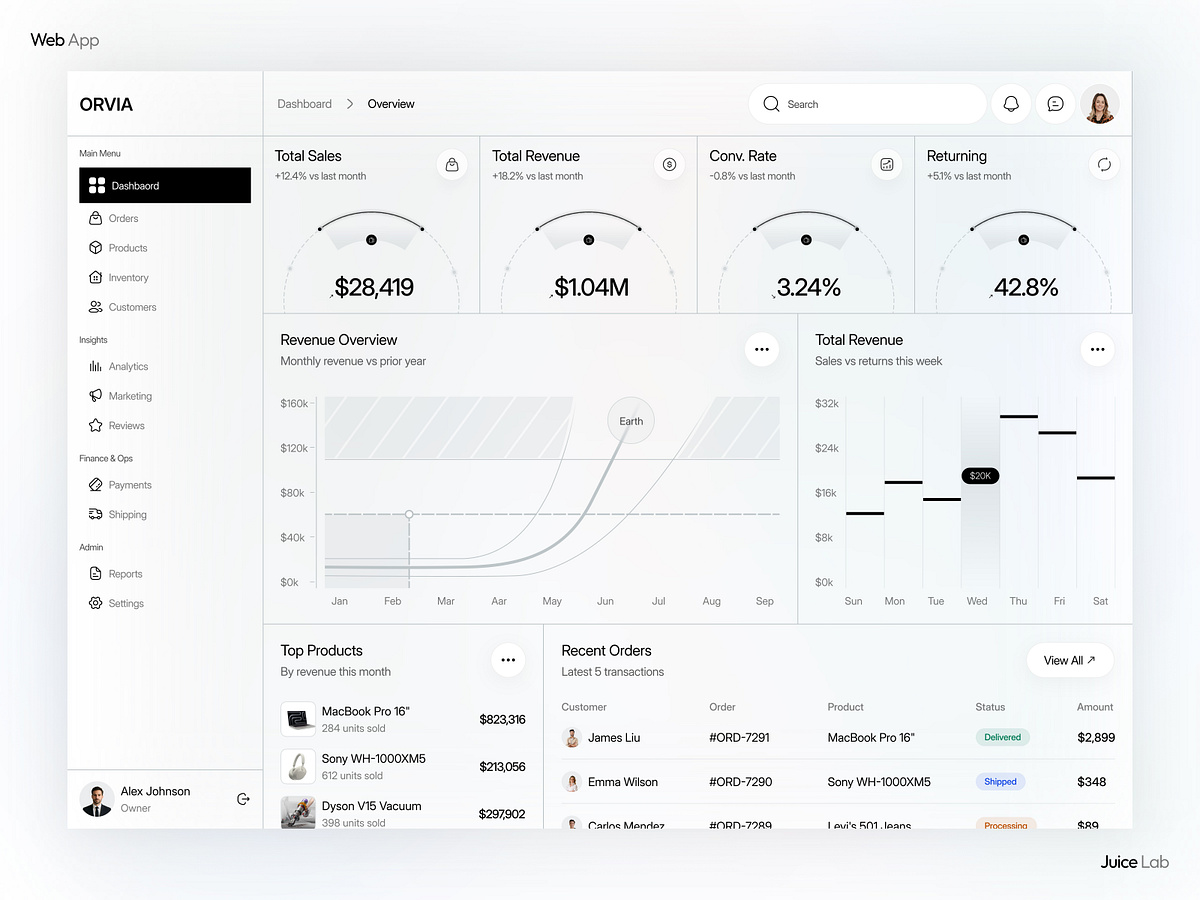
E-commerce Analytics Dashboard
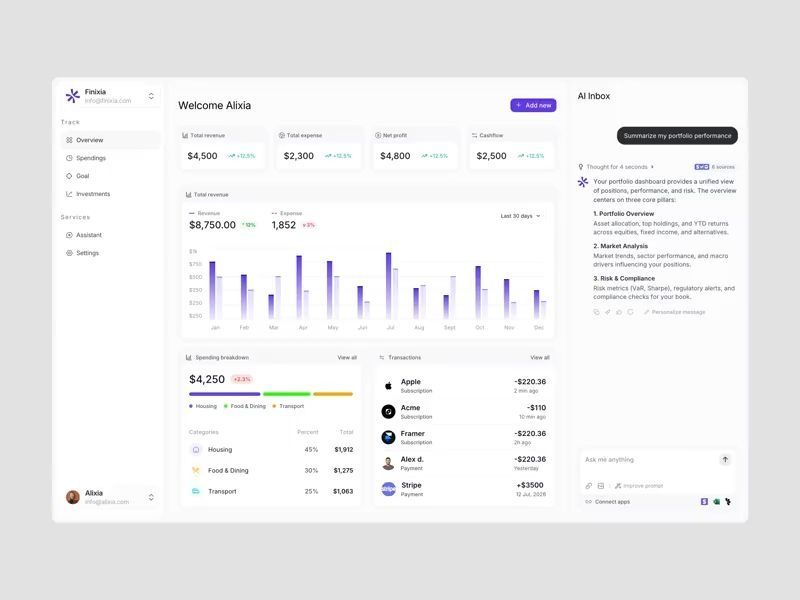
Finixia - AI Finance Dashboard
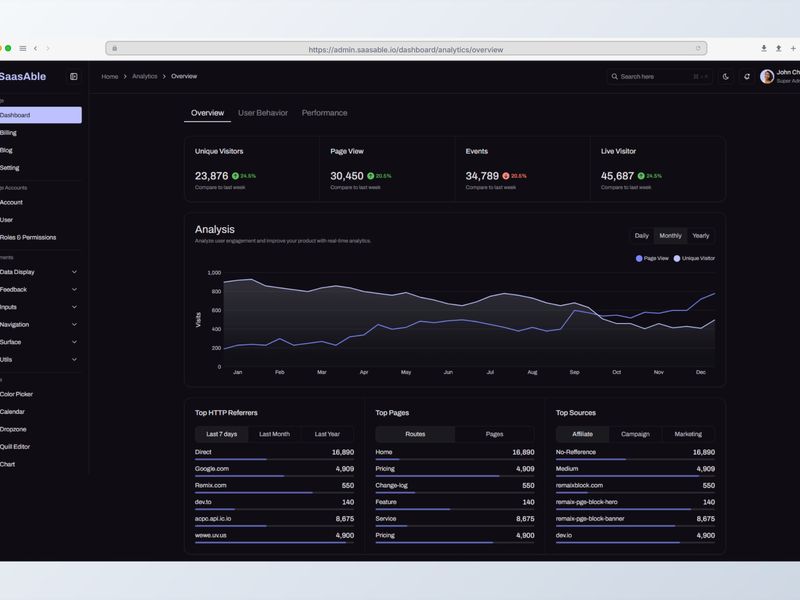
SaaS Analytics Dashboard - SaasAble
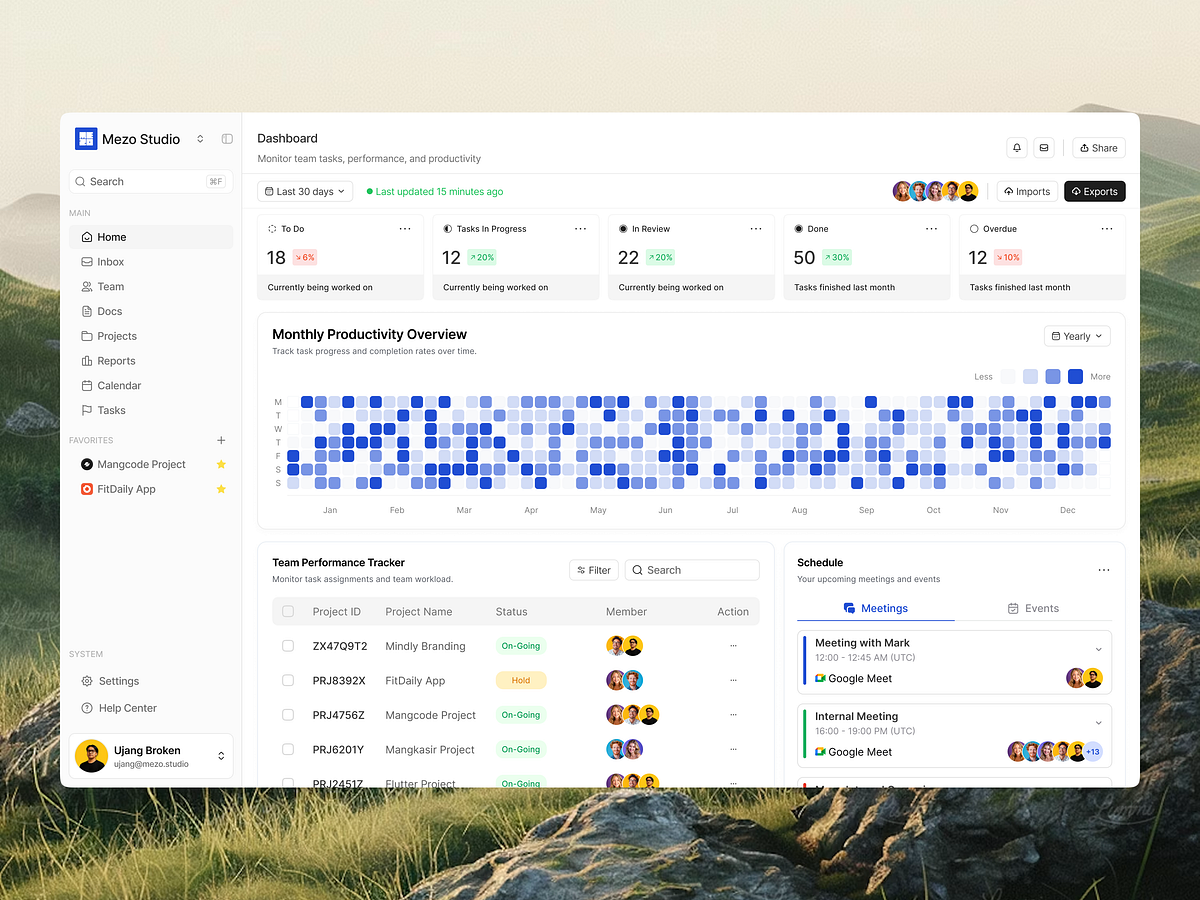
Project Management Dashboard
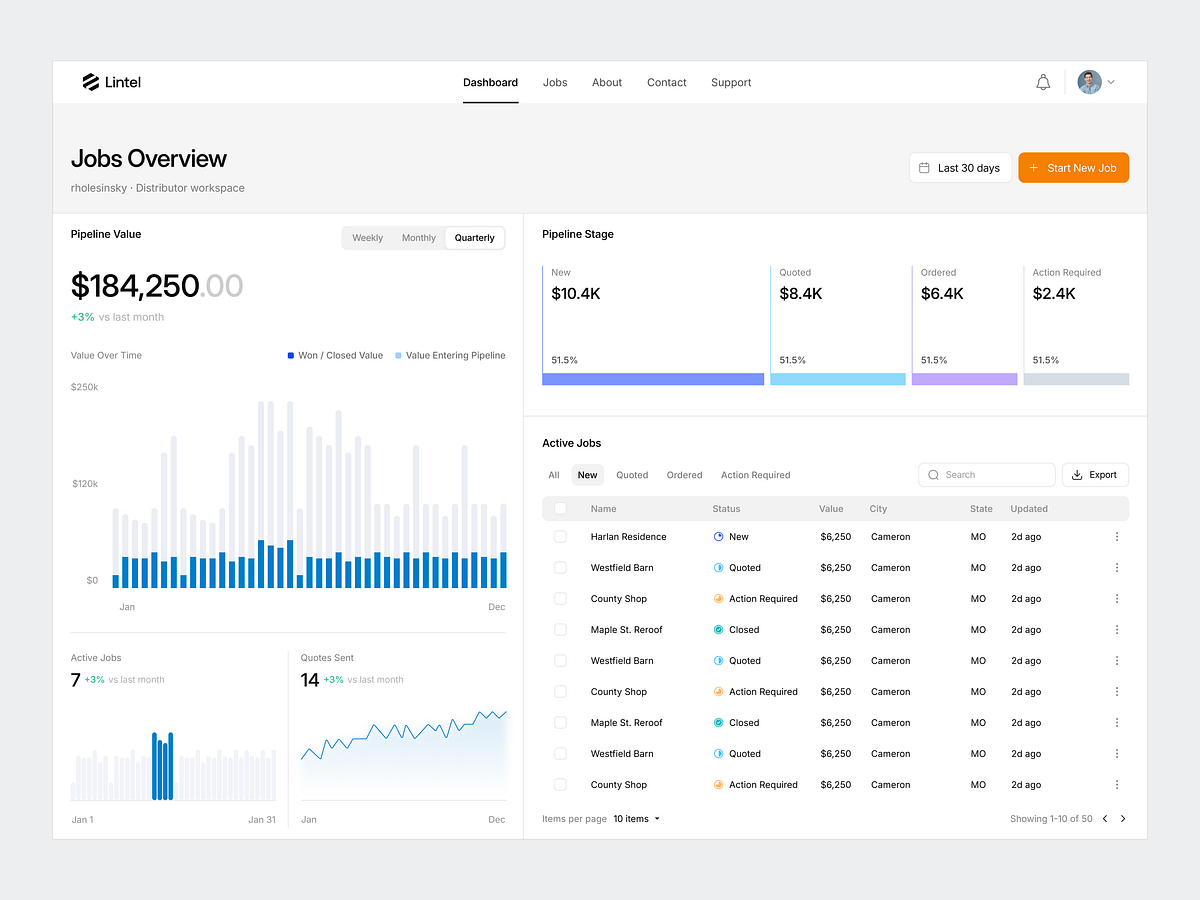
Financial Dashboard - B2B Sales Pipeline & Revenue Tracking
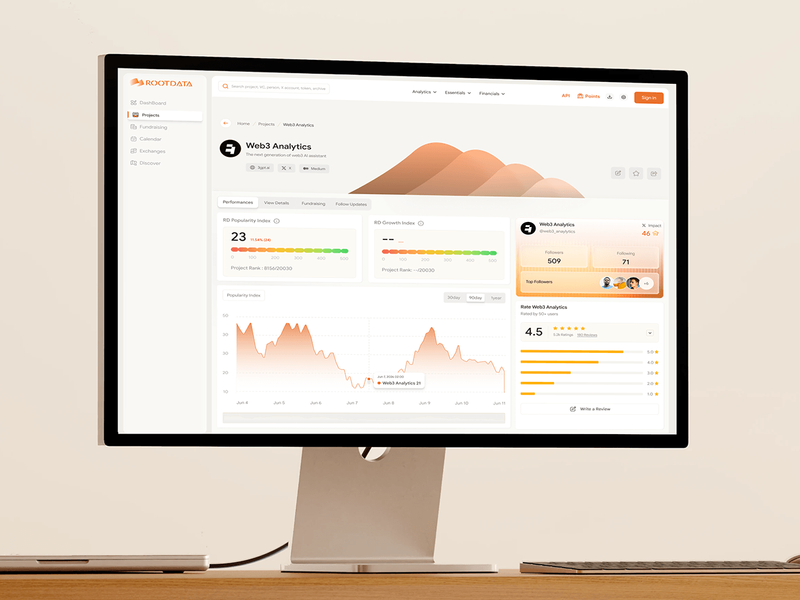
Web3 Analytics Dashboard Design
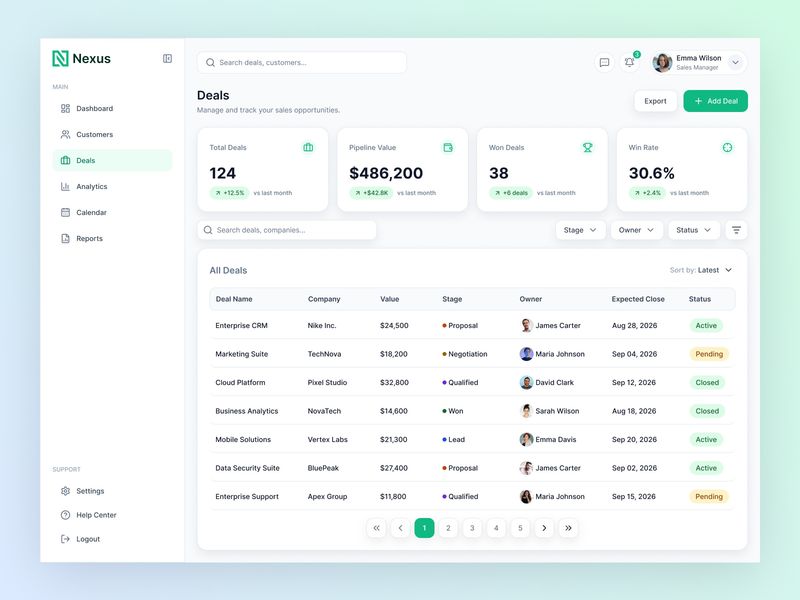
Nexus - Sales CRM Dashboard & Deals Management
This is 1% of what Muzli shows you.
Get the rest — fresh design inspiration on every new tab, free.
Add Muzli — freeNexus - Sales CRM Dashboard & Deals Management
Get access to thousands of freshly updated design inspiration pieces by adding Muzli to your browser.
Loved by 900k designers worldwide, Muzli is the leading go-to browser extension for creative professionals.
How do you design dashboards that communicate data clearly under real usage conditions?
Dashboard design fails most often because it was designed for a demo, not for daily use. A demo dashboard looks good with evenly distributed, typical data; a real dashboard must handle missing data, extreme values, very long text labels, and hundreds of concurrent users with different screen sizes. Good dashboard design anticipates these real conditions from the first wireframe — it's the difference between a dashboard users actually rely on and one they open once and abandon.
How do you choose the right data visualization types for a dashboard?
Match the chart to the question it answers: KPI cards for headline numbers that need instant comprehension; bar charts for comparing values across categories; line charts for trends over time; scatter plots for correlation and distribution; tables when users need to look up individual records. Dashboard design anti-patterns include: pie charts with more than 4 segments, 3D chart effects, dual-axis charts (almost always misleading), and decorative visualizations that fill space without informing decisions.
How do you manage information density and cognitive load in dashboard design?
Cognitive load in dashboards is managed through grouping, hierarchy, and progressive disclosure. Group related metrics into visible sections with clear labels. Establish a visual hierarchy where the 3–5 most important metrics read first before supporting detail. Use progressive disclosure for secondary data: collapsible sections, drilldown from summary to detail, and tabbed sub-views prevent the dashboard from trying to show everything at once. Dashboard whitespace significantly improves comprehension speed in user testing.