
Star Wars art & design collection
May the 4th be with you!
Muzli collects new design work from 200+ sources every day. This collection picks the best of it and changes as new work comes in.
4 new in the last two weeksLast update:

Star Wars Progress Bar

Lego Has Officially Unveiled the Heavily Rumored Star Wars Death Star Set
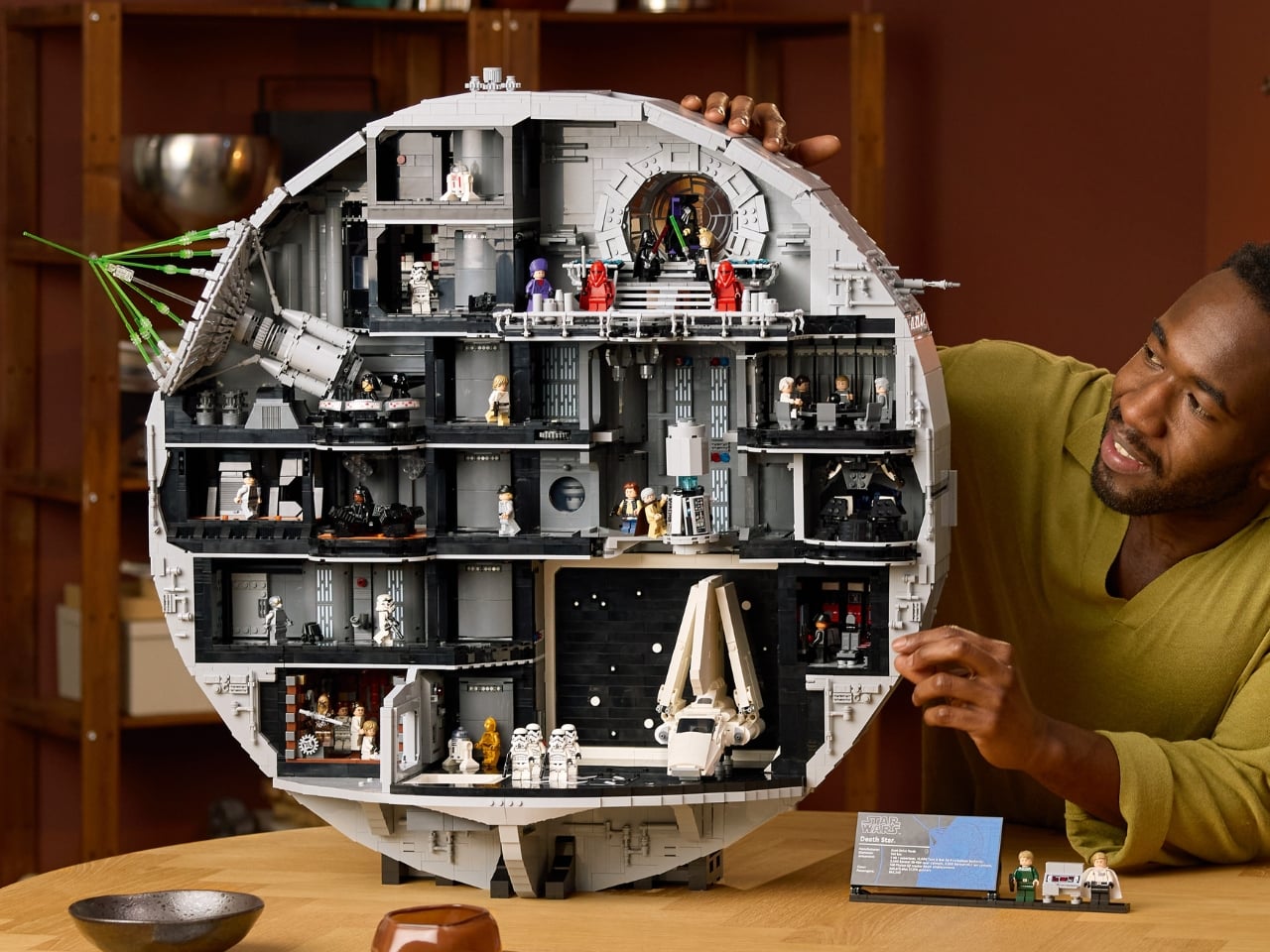
LEGO® Star Wars Death Star is the ultimate build for die hard fans
A lot has been said about the Star Wars fandom (not all of it great, of course), but one thing’s for sure: die-hard fans will buy merch and related items as long as they’re of good quality. Over the years, LEGO® has produced many quality builds and products, and fans have willingly shelled out money to own most, if not all, of them. This latest release will most likely have them scrambling to spend almost a thousand dollars just to display this new creation. The LEGO® Star Wars Death Star – Ultimate Collector Series is poised to be the ultimate collector’s item for fans of the original movie series (otherwise known as Episodes IV, V, and VI). This is the largest LEGO Star Wars set yet, with 9,023 pieces for you to play around with and to earn bragging rights for having this 20.6-inch-high building set displayed in your home. Designer: LEGO® This build isn’t just a model of the Death Star. It’s a collectible set that features brick recreations of some of the most iconic places and scenes from A New Hope, The Empire Strikes Back, and Return of the Jedi, with the Death Star serving as its vertical frame and stand. You’ll be able to build and display recreations of things and places like the trash compactor, Emperor Palpatine’s throne room, the cell where Princess Leia was imprisoned, the tractor beam control unit, the Imperial shuttle hangar, among other unforgettable scenes. For minifigure collectors, you’ll get an unprecedented 38 LEGO Star Wars minifigs, including two variants of Luke Skywalker (Jedi and stormtrooper), Han Solo, Princess Leia, Darth Vader, Emperor Palpatine, and two droid figures. There’s even a stormtrooper in a hot tub which is a detail LEGO Star Wars video game players will appreciate. I don’t know how long it would take to finish this huge build, but the finished product looks amazing and would make any Star Wars fan drool. Those who are able to purchase the set between October 1–7 will also get a free LEGO Star Wars TIE Fighter with Imperial Hangar Rack as a gift, while supplies last. LEGO Insiders will also receive a limited-edition poster that’s over 80 cm high and 60 cm wide. There’s no pre-order, but Insiders can purchase it starting October 1, while the rest of the world can start buying on October 4. Of course, you can expect this to sell out fast—so get your $999.99 ready! The post LEGO® Star Wars Death Star is the ultimate build for die hard fans first appeared on Yanko Design.

Star Wars Jedi: Survivor - Botanist
Star Wars Hungarian movie posters

Inside the design of ‘Skeleton Crew,’ Lucasfilm’s bid to recapture the joy of old ‘Star Wars’

STAR WARS JAPAN

STAR WARS JAPAN #2
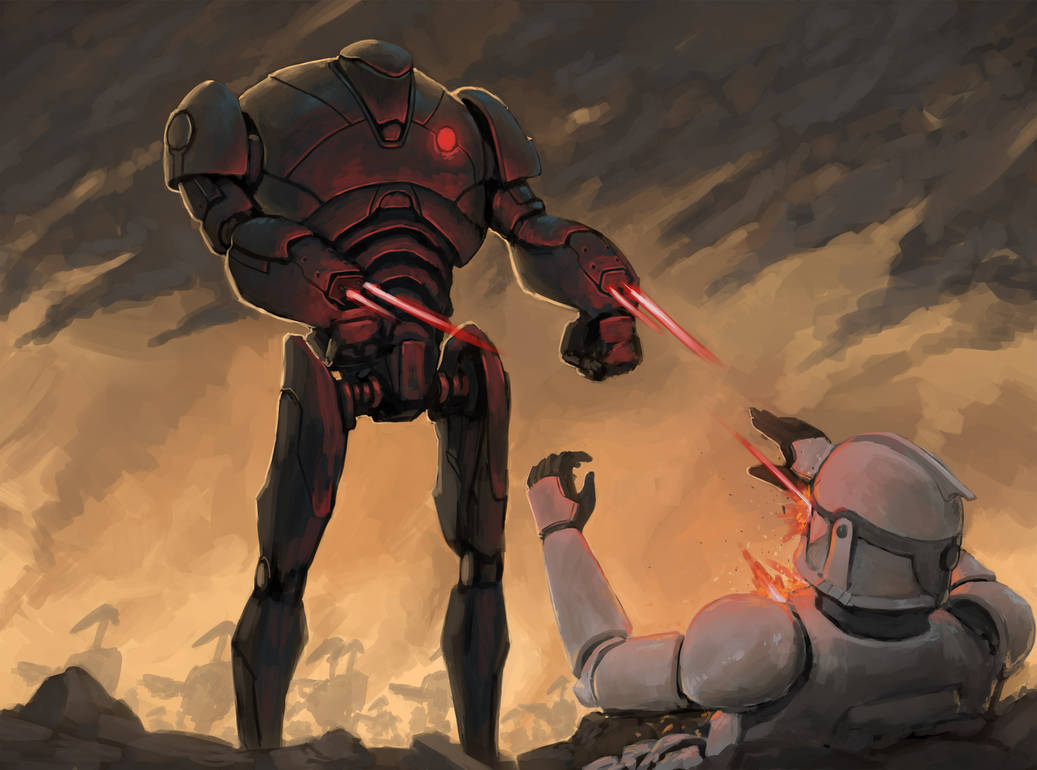
Star Wars - Battle Droids (Timelapse)

Arthropoda Iconicus: A Star Wars-Inspired Journey into the World of Insects

Star Wars™ Card Trader
This is 1% of what Muzli shows you.
Get the rest — fresh design inspiration on every new tab, free.
Add Muzli — free
Star Wars - Concept Art

Cal Kestis - Star Wars Jedi: Survivor

Prehistoric cave paintings to Star Wars and Marvel: Inside the colossal catalogue of iconic narrative art
Developed in collaboration with George Lucas and the Lucas Museum of Narrative Art, this extensive two-volume catalogue from Taschen brings together an unparalleled collection of narrative art. Here, Ryan Linkof introduces the new LA-based museum and the importance of myth-making and storytelling.

This Mud Home in India Looks Like Something Out of "Star Wars"
Snaking tunnels crouch in the landscape, mitigating the area’s hot climate and high winds.Houses We Love: Every day we feature a remarkable space submitted by our community of architects, designers, builders, and homeowners. Have one to share? Post it here. Project Details: Location: Mettupalayam, India Architect: Earthscape Studio / @_earthscape_studio_ Footprint: 1,450 square feet Photographer: Studio IKSHA / @iksha.in From the Architect: "This home is located in the midst of mountain ranges. It has an 180-degree view of them with a deep valley in front. The site has a natural rock bed and we did not want to disturb it. Also, the site already had a 20-foot-deep land cut when we visited for the first time. We used that landform to create the structure with a view toward the valley. "The spaces are focused toward the valley with an open courtyard in the middle, which helps bring in natural light and create ventilation. The main character of the site is heavy wind. The main challenge was to capture the view while tempering gusts. Hence, we proposed a gabion wall where the rocks are placed according to the anthropometric activities inside the spaces. All the rocks used in the gabion wall were collected from the site. "The home’s walls are poured earth. The mud used was collected on-site, which facilitated the construction process. The floor finish is made of green oxide, which helps keep the interiors cool. During summer, the area gets very hot. Oxide flooring and an open courtyard help maintain cool temperatures inside the spaces. The body of water between the room and the gabion wall will help in reducing the hot air temperature when it travels from outside to in. "The wood used throughout the building was collected from scraps and reused to create the doors, bar table, arm chairs, bar stool, and kitchen cabinets. The site’s natural landforms were not disturbed. The building is camouflaged with the surroundings. The materials used in the building meets the maximum level of sustainability." Photo by Studio IKSHAPhoto by Studio IKSHAPhoto by Studio IKSHASee the full story on Dwell.com: This Mud Home in India Looks Like Something Out of "Star Wars"Related stories:The Pink Kitchen Island in This Belgian Home Is a Cooktop—and a Garden BenchBudget Breakdown: This Edwardian Got An Overhaul—and a Salmon-Pink Addition—for $1MA "No-Maintenance" Home in Coastal Argentina Rehashes the Area’s 1970s Retreats
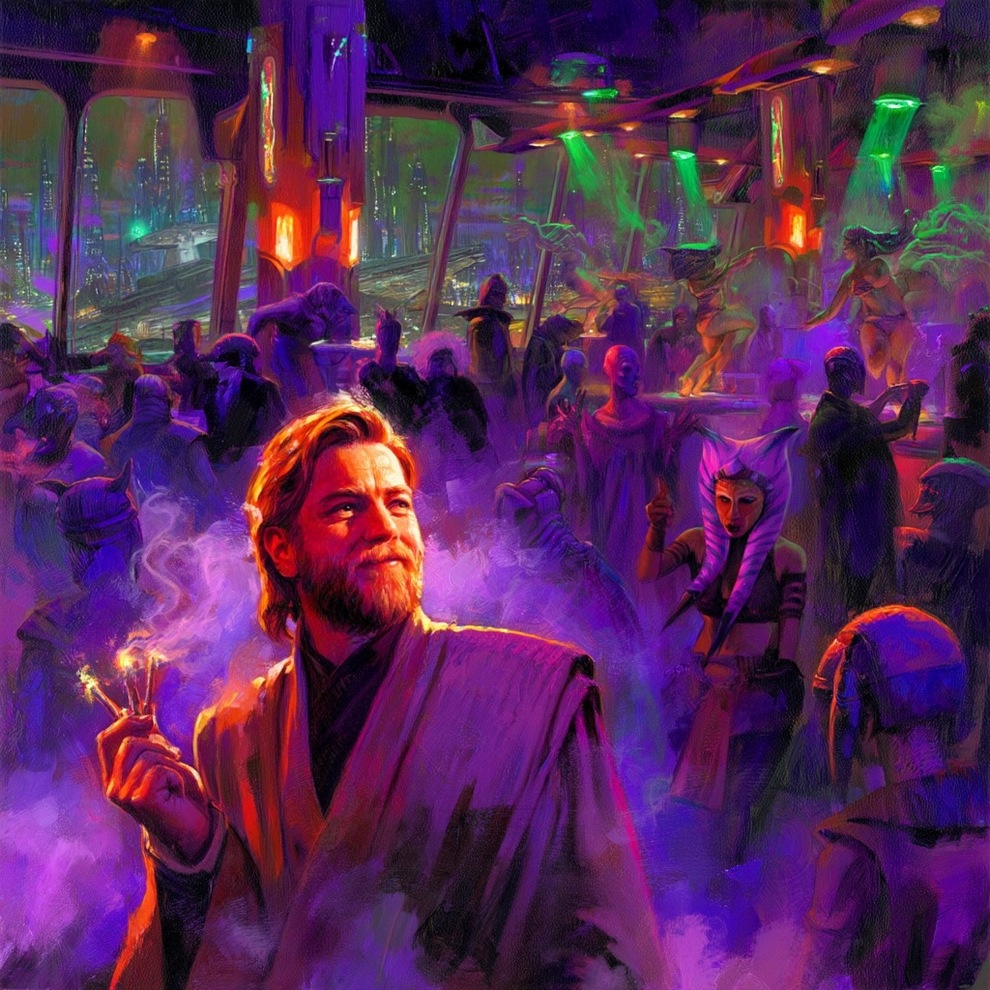
What If Star Wars Had Taken A Different Path? These AI-Generated Images Explore An Alternate Galaxy Far, Far Away

Gemstone Star Wars Figurines
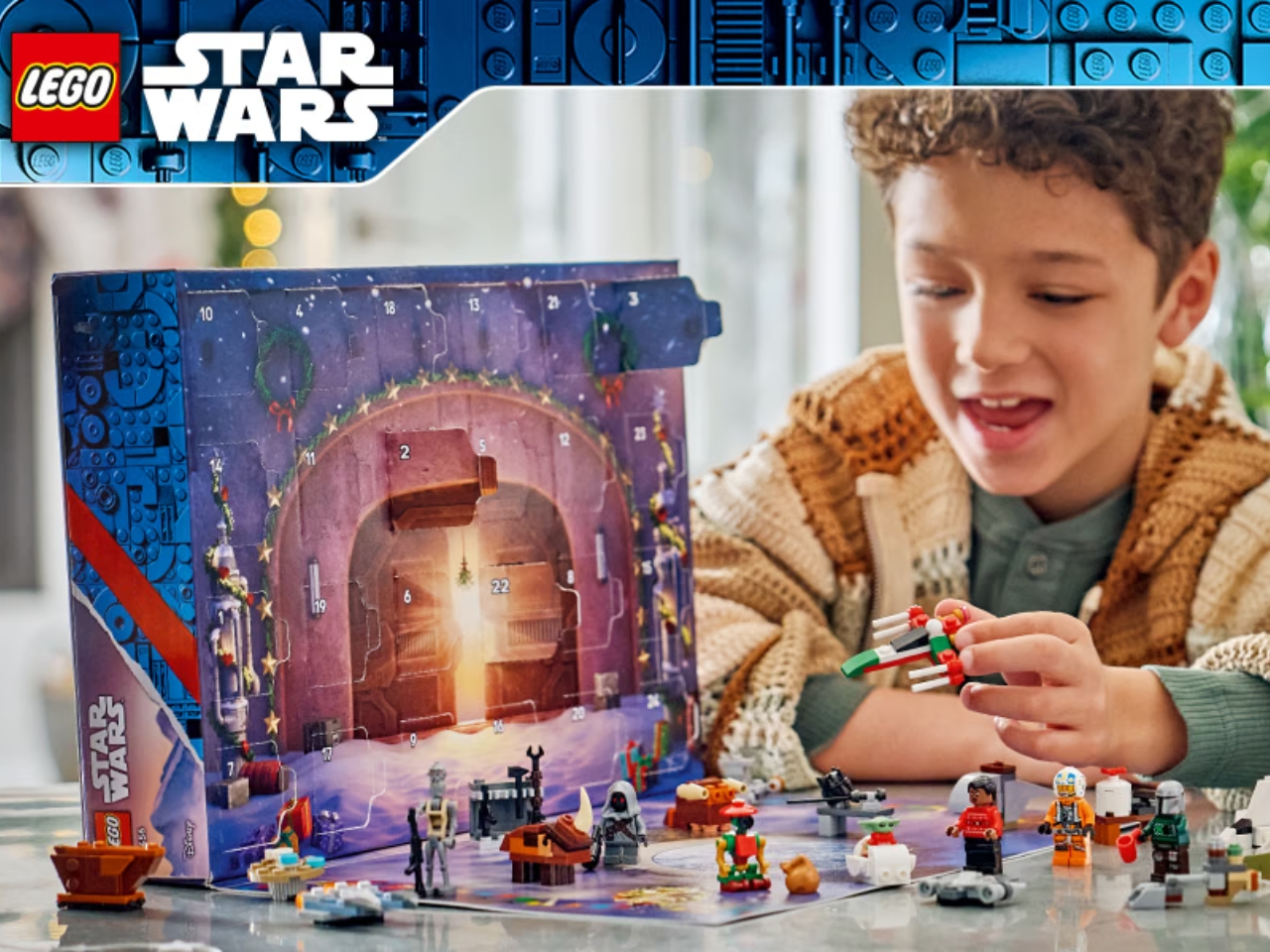
LEGO’s 2026 Star Wars Advent Calendar Brings 24 Mando and Grogu Surprises
It’s already that time of year when you have to start adding the Advent calendar you want for yourself or your loved ones to your virtual (or actual) cart. With the daily surprises usually starting on December 1, you need to decide which of the numerous Advent calendars out there you’ll use or give as a gift. If you’re a Star Wars fan, particularly of The Mandalorian and Grogu, and you love LEGO, then the LEGO Star Wars Advent Calendar 2026 should be at the top of your list. This isn’t a large model divided into 24 installments for you to unwrap. It’s 24 daily surprises, with a mix of characters, creatures, vehicles, and accessories to add to your collection. Designer: LEGO If you’re the kind of person who practices delayed gratification, Advent calendars are a great experience because they unfold over time. It’s a holiday ritual for you and your family. With this LEGO Star Wars calendar, each reveal adds another character, vehicle, or prop to your Mandalorian-themed world, with the countdown and the play experience reinforcing one another. If you don’t mind some toy “spoilers,” you’ll get seven characters including the aforementioned Mando and Grogu, seven miniature vehicles including the iconic Razor Crest and Mando’s N-1 Starfighter, and four creatures including a Mudhorn like the one Grogu levitated with the Force. There are also six supporting accessory builds, including the very cute hoverpram that Grogu rides around in and a Mandalorian gauntlet. Since this is a holiday product, there are some Christmas-y elements, of course. Grogu has a sweater that features Mando, while Mando is wearing one that has Grogu on it. Even Moff Gideon gets a holiday outfit, and the X-wing comes in festive colors. The complementary sweaters are probably the sweetest detail here, turning the pair’s bond into something you can spot without needing an elaborate scene or a large model. These things you’ll unwrap are of course connected through the world of The Mandalorian, so you can use them as starting points for familiar scenes or create new stories of your own. You don’t have to keep everything in the order it appeared behind the doors, either. Once the items start appearing, you can choose your own arrangement of these characters and props and that becomes part of the fun of assembling this universe. Since this comes in the miniature format, with most of them looking like minifigs, this is basically different from the bigger Star Wars LEGO sets. What you’re actually collecting are smaller interpretations of these items instead of assembling a detailed build. Some who are used to creating a detailed centerpiece may not be used to this kind of set. The appeal of this Advent Calendar is that you have something small to open every day and deciding where it fits into the “story”. The 293-piece set is meant for kids (and adults) ages 6 and up. For a family, that makes it an option for a shared December activity without committing to a major construction project every evening. Some days bring a figure or accessory rather than a more involved vehicle build, so it’s better to think of this as a daily surprise than to expect the same amount of building each time. The pieces don’t have to go back in the box when Christmas is over, either. You can actually add the characters and mini builds to other LEGO Star Wars sets (or maybe even other universes if you’re creating a crossover). This adds another dimension for those who already have Star Wars collections. There is also the option to keep the figures that are wearing festive outfits as a seasonal display. The US price is $44.99, although LEGO’s US site listed it as sold out. That makes availability worth checking before you plan your December countdown around it. If you’re after one substantial model, a conventional set may suit you better. But if the pleasure is in opening a little surprise each morning, this gives Mando and Grogu fans a reason to leave something unopened for tomorrow. The post LEGO’s 2026 Star Wars Advent Calendar Brings 24 Mando and Grogu Surprises first appeared on Yanko Design.

Columbia’s new ‘Star Wars’ drop walks thin line between cosplay and clothing
Star Wars Day

Star Wars movie posters from Hungary

LEGO STAR WARS
We were invited to produce a series of videos celebrating the 20th anniversary of the LEGO Star Wars franchise. For it, 20 children were selected to create alternate endings of the saga, and Pé Grande Studio was responsible for bringing three of these stories to life.

The Samsung Galaxy Note10+ Star Wars Special Edition
Join the dark side with this special edition Samsung Galaxy Note10+ that includes a red lightsaber inspired S Pen and matching Galaxy Buds.
This is 1% of what Muzli shows you.
Get the rest — fresh design inspiration on every new tab, free.
Add Muzli — free
Star Wars Outlaws | Kay
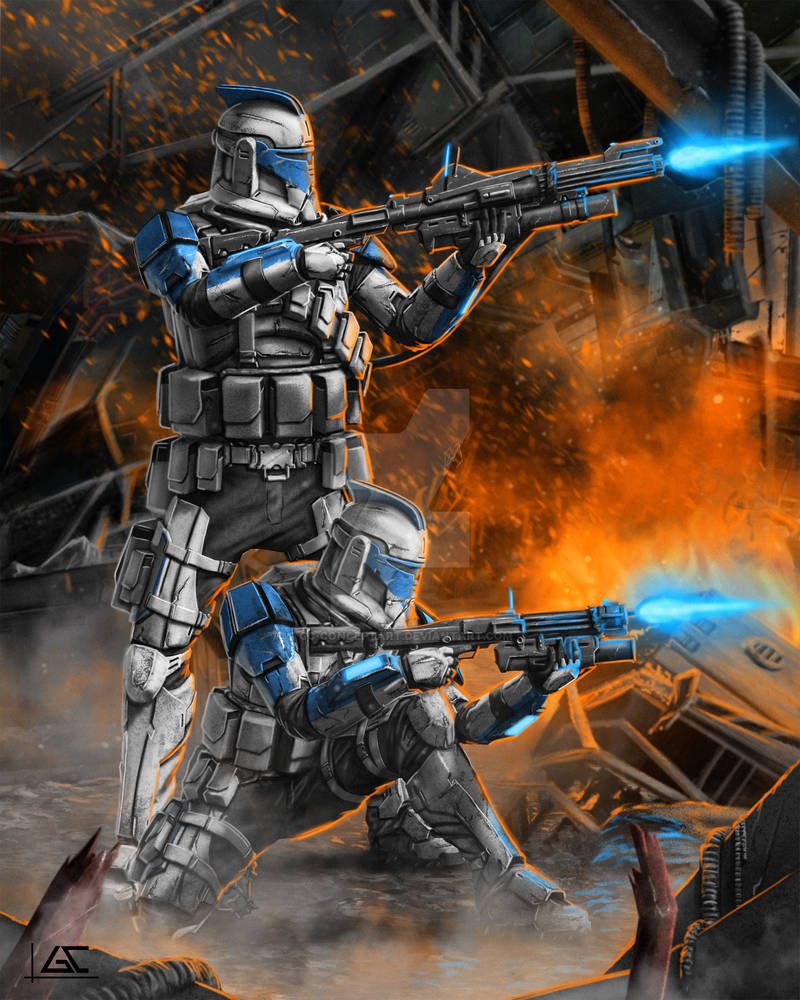
STAR WARS - REDESIGN ARC GRANADIER by GC-Conceptart

What If Star Wars Had Even More Movies? These Stunning AI Creations Imagine Scenes We’ve Never Seen Before

Topps Star Wars Galaxy Chrome Ukiyo-e Insert
Star Wars Insert of 15 illustrations for the Topps Galaxy Chrome 2025 to commemorate the 20th anniversary "Revenge of the Sith" where the Duel of Mustafar between Anakin Skywalker and Obi-Wan Kenobi takes place.

Star Wars Imperial Army's Product Slider!
See the Code - See it Full Page - See Details Responsive product slider for Star Wars Ipmerial Army's shop. Built with swiper.js. I hope you like it. By the way "May the force be with you." This Pen uses: HTML, SCSS, JavaScript, and
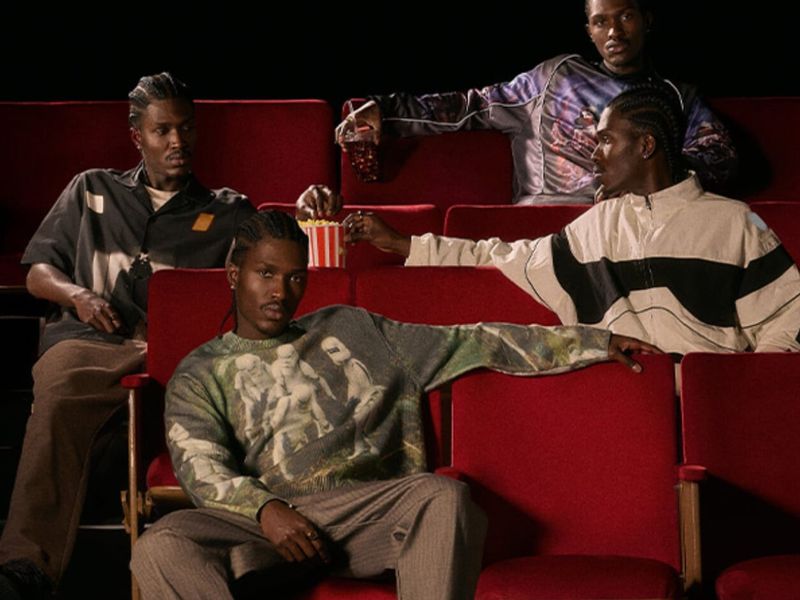
Star Wars x Kith’s Sith Collection Goes Dark Without Cosplay
Darth Vader’s armor gets the point across before he says a word. I like how little of it you need to borrow before the reference clicks. A flash of glossy black and a sliver of red will do. Kith takes that approach with its new Star Wars sneaker, saving the actual picture of Vader for the footbed, where it disappears as soon as you put the shoe on. It’s a surprisingly quiet introduction to the Sith Collection, an official collaboration that finds room for everything from Vader’s helmet to the Imperial machines that do his bidding. I like plenty of movie merch in theory. The trouble is finding a place for it in a wardrobe or on a shelf without feeling like I’ve set aside space just for the reference. Kith gives fans some room to maneuver here. The dark side can show up as a finish on a shoe, a jacket that borrows its shape from a helmet, or a pair of bookends that do an actual job. And if you want the full miniature Sith showdown on your desk, Kith has that covered too. Designer: Kith The sneaker is the cleanest example because the association came before the collaboration. Ronnie Fieg and ASICS made a black patent GEL-LYTE III in 2008 that drew comparisons to Vader without an official connection to the films. The new GEL-LYTE III Remastered “Castlerock” plays up what people saw in the original. Glossy overlays pick out the edges against matte, perforated nubuck, and the red stays mostly around the eyelets and trim. The shoe gets across the look of Vader’s armor without having to reproduce a single piece of it. The jackets get more literal. On Kith’s Darth Vader Moto Jacket, helmet-inspired embossing and raised panels give the black sheepskin some of the shape of armor. The cream stormtrooper moto jacket goes further. Dark curves across the chest and abdomen bring the face of a stormtrooper helmet into view from across the room. I’d wear the Vader jacket more often, but I like the nerve of the stormtrooper version. It also makes the case that dressing for the dark side doesn’t have to mean wearing black. The AVIREX leather jacket takes a different route, with film imagery embroidered across the garment. It makes sense alongside tees that draw on vintage movie posters and caps with smaller embroidered references. The kids’ range has its own fleece and graphics, plus a lunch box and Vader and stormtrooper cushions. Turning the face of the Empire into something you can nap on is a good sign that nobody needed to take the theme too seriously. For collectors, Hasbro’s Darth Vader and Darth Maul figures give the villains a shelf of their own. Both are 1:12 scale, with 25 points of articulation and display bases. Maul’s two lightsabers connect to form his familiar double blade, so you can change the pose as well as the configuration. A TIE fighter on a red-and-black marbled-looking plinth is more of a set-it-down-and-admire-it proposition. Yellowpop’s co-branded LED sign makes the theme even harder to miss. Kith scheduled early access at its London store for Friday, November 20, 2026. The wider release is set for Wednesday, November 25, at 11 a.m. ET through Kith stores, its website, and the Kith app. The home pieces I’d make room for are the ones with a sense of humor about their new jobs. The resin AT-AT bookends put half a walker on either side of a row, so your paperbacks supply the missing middle. Then there’s the glossy green Jabba the Hutt catchall, which uses the curl of his tail to frame a spot for keys and loose change. Jabba isn’t a Sith, of course. But if you’re bringing home the bad guys, I can think of worse uses for a crime lord than making him look after your keys. The post Star Wars x Kith’s Sith Collection Goes Dark Without Cosplay first appeared on Yanko Design.

Superinteressante - A minha história Star Wars
Ilustração para a Revista Superinteressante de Dezembro de 2017 sobre a produção do novo filme da franquia Star Wars
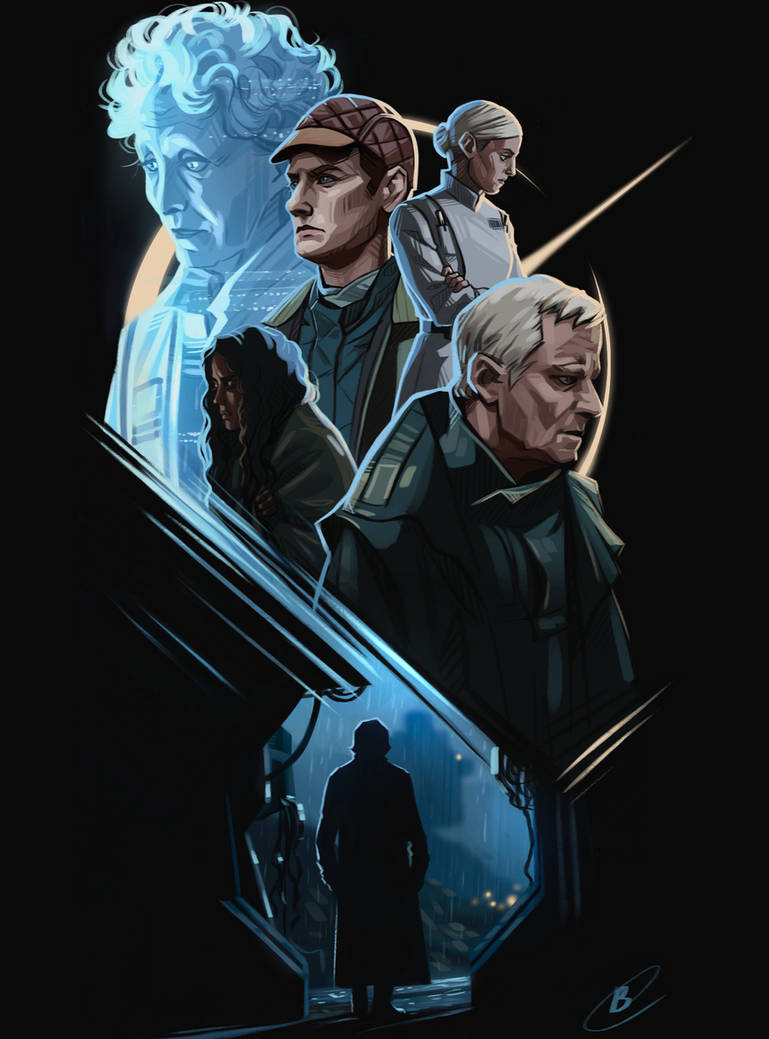
star wars by Basementexplorer007

Rebel Hangar Routines - Star Wars

Star Wars Posters Minimalist
Star Wars Posters Minimalist Rogue One

3D Star Wars Illustrations by Hyoung Joo Lee

ILM’s chief creative officer reveals the secrets of building the Star Wars universe
I don’t know the last time I went so deep on the topic of hallways. But in Star Wars, a hallway is more than a hallway; it’s a portal to a whole cinematic universe. [Photo: Lucasfilm] It’s one of many things I learn in an hour-long conversation with Rob Bredow, who wears the hats of both SVP of creative innovation for Lucasfilm and chief creative officer of ILM (a.k.a. the Jedi masters behind all things Star Wars). Bredow is a visual effects guru who cut his teeth in the early days of computer generating graphics in film, working on classics like Independence Day, Cast Away, and Ready Player One—before making his way to Star Wars projects including Solo: A Star Wars Story and the new Disney+ show The Acolyte, both of which he co-produced. That makes him one of a handful of creatives steering the $65 billion sci-fi franchise into its future amidst the vast transformation of generative AI—what must feel like light years from his early memories of the SIGGRAPH computer graphics convention, where he saw ILM showing digitally drawn dinosaurs for the first time. [Photo: Disney] You’ve been in the industry a while—you started your career working on Independence Day! Being at the intersection of the technical and the artistic has always been my passion. As soon as I realized, like, you used computers to help make movies and TV shows, that’s all I wanted to do. Now I wear a few hats at ILM and Lucasfilm, and most recently got to be producer on The Acolyte—worked really hard on that for the last couple of years with showrunner Leslye Headland. There’s a bunch of us who wear a number of hats, sometimes in production, sometimes in an executive role, kind of keeping all these plates spinning. It’s a little less structured than other big companies I’ve been at, but it’s also been delightful in terms of the kind of opportunity that affords. Let’s start with Star Wars. You’ve worked on a number of properties in the universe at this juncture. How do you define the Star Wars aesthetic? Fortunately, we get to work with people like Doug Chiang, who have been in the art department at Lucasfilm for many, many years, and who help understand the design aesthetic so that it can feel like it belongs in Star Wars, but you have to be able to reinvent it. We’re making a lot of Star Wars, and . . . you know, it’s easy to just put pillbox lights in a hallway and go like, “yep, we’re in an imperial hallway.” On The Acolyte, Kevin Jenkins (Jurassic World: Dominion, Star Wars Episode IX) was our production designer. There were a number of times we were trying to figure out, what was the story behind the place? And then the question was, and the question was, how much Star Wars gak do we need? [Ed note: Gak is the equipment/props decorating the background of scenes.] How little Star Wars gak can we get away with that makes it feel like we know we’re in Star Wars? Some of my favorite kind of Star Wars design is where you just realize, there’s only one light on that entire wall. We’ve got thousands of square feet of surface; there’s just one little control box that tells you, “Oh, yeah, Star Wars.” And that’s actually all you need to know which universe you’re in, which is actually really clever and satisfying. The Acolyte [Photo: Lucasfilm] So you’re saying, now, the challenge is peppering in some of the lightest motifs to get you to Star Wars, to sort of bridge you into that universe? When you think of George [Lucas]’s Star Wars, and the amount of variety that there was, you know, we’ve got Cloud City, which is this ultra modern design, and you’ve got Yoda’s visit to Dagobah. Dagobah is a completely, completely naturalistic environment, except for the few things that Luke brings that have all the Star Wars gak on them. They make you realize immediately, “Oh, with those buttons and those sounds coming out of that piece of electronics, I know what universe I’m in.” After years of being awash in CG, I feel like we’ve really started to see this return to physical sets, practical effects, and grit—in Star Wars especially. The Acolyte is a very practical-based show: We went to real locations, we spent a lot of time outdoors, we shot at Shinfield Studios, which is west of London. Both for logistics reasons, and also for what the story was calling for, building big sets was actually very, very satisfying. And then the whole team really worked hand in hand, because when you’re making shows with a lot of spectacle, it can be easy to bid, build big sets, but then shoot off of them and enhance them with CG. (And of course, we did that when it was necessary.) But we also worked really hard to design sets we can shoot in and finish the shots and finish the sequences all within the set. So then we could save our visual effects resources for those moments where we really needed to blow the doors off. It’s a refreshingly old-fashioned way of doing it, right? Create a convincing set, and the set does so much of the work. That’s so much of the heavy lifting. When we use technology, like the ILM Stagecraft technology, it’s great because you walk [onto set], and you feel like you’re really there, which also achieves some of that same illusion. But there’s definitely more than one tool in the tool belt, and finding the right one for the job, I mean, that’s part of my job, to help work with people like showrunner Leslye Headland to make sure that’s what she’s looking for, we can execute it, and then come up with the most efficient way to get that on the screen, so she has as many resources as many resources as possible for the other tricks we want to pull. This is part of a larger trend that I feel like where I’ve seen. The Avengers films pushed visual effects to a place I think beyond what George Lucas ever did in that they really felt like they broke the fourth wall. The special effects were like watching an animated film more than watching humans. Does feel like the industry is sort of righting from that extreme? I think the best balance is really a balance. If somebody’s doing a magic trick for you, if they do the same one over and over again, even if it’s a great trick, you still get tired of it because you’re like, “Okay, I know how they’re doing that trick.” So when shows use only one technique—”I’m going to use CG for this . . . and this!”—that’s the one technique you use throughout, you can kind of get used to that. You can start seeing the seams and it’s not as believable. What [visual effects artist] Dennis Muren would almost always say was, “Do the unexpected trick.” Like, if you can get a component practically—one that people think that you would have had to get with CG—get it practically. Then do CG for the stuff they wouldn’t even think about. The illusion will be completely seamless. Because your mind will just be tricked by the techniques that were being used. We did this a few times on this show, where you’re like, “Oh, that’s definitely a puppet.” But this puppet also has CG enhancements that you may not realize. And that seamless work between our visual effects team [and] our creatures, that is what gets you the most on screen. And when you look at it, you’re like, “Man, if that’s a puppet, how is he blinking that way?” But you only think of that subconsciously. Your mind just kind of gives up trying to figure it out. And the magic trick works, I think. Andor [Photos: © 2022 Lucasfilm Ltd.] I feel like the magic trick no longer mattered for a long time. I think we’ve been able to look at things and say, “That is a special effect. That’s where the money went. And it’s clearly not real.” And that’s why I’m wondering, do you feel like there is a sort of return right now to the special effect as that magic trick that you don’t know necessarily existed? I mean, that’s my favorite kind of project—when you want people to buy into the world as believable. And that’s what something like Star Wars does really well. You feel like that’s a worn, lived-in world. I love the way Andor treats the sets. Speaking of puppets, what makes a good Star Wars droid? I know you had a recent contest with Autodesk on this topic. And obviously, Pip is a mascot of The Acolyte. Personality is really what makes a great Star Wars droid. And that doesn’t mean likeness. In fact, it almost always means simplicity, rather than complexity. Like you think of your favorite Star Wars droids, whether that’s R2—or Pip!—they’re simple. Pip is almost more tool than droid, but because he has all this personality, and he kind of talks back and he’s got all these surprising tools, people are interested in what his capabilities are. His or her? I’m not sure which gender it is. The design of Pip reminds me a lot of this Yves Béhar robot called ElliQ. This little robot for seniors that sits with a tablet. It just has one articulating point of the head. And mechanically it just very subtle hints at anthropomorphism. That’s right. Neil Scanlan runs the creature effects team and ran it on The Acolyte. And his team had a bunch of different drawings and designs for Pip, many of which they mocked up at scale and 3D printed. I remember one meeting where Leslye walked into a room, there were probably 20 droids around of different kinds and different shapes. And there were even completely different concepts that had been worked out where Pip could fly. Pip went through a huge amount of iterations. And some of it was to address exactly that question, which was how anthropomorphized that does Pip need to be? And how little can you get away with anthropomorphizing him and still get a personality? Because like, reducing his eye, which is that white glowing bar, to the simplest possible thing. Does he need two eyes? Well, that gets a little cartoony. So just the one. What’s the color? How much expressively do we need to have in there? What sort of communication are they going to do with just the simplest components? [Photo: Lucasfilm] I think the most surprising robot I’ve seen on the show is the chair droid. It’s a droid shaped like a chair that mechanically transforms into a humanoid to autopilot a ship. That’s a UX moment you do not see in the Star Wars universe very often! They’re so much fun. By comparison, R2D2 is a cylinder that was built to allow somebody inside it and drive. That was the real inspiration of the design. The chair droid is really the first time I could think of world ergonomics being considered in Star Wars. As our approaches have gotten more sophisticated in how we can create these droids, it really has opened up a new canvas for those kinds of things. I was working on Solo—what was that five or six years ago—and L3 37 is played by Phoebe Waller-Bridge. She was actually in the L3 suit, and then we painted her out, and then put in all the digital gaks, but there were big negative spaces designed in that droid, that maybe George would have wanted to do that for C3PO but it would have been impractical at the time. So he just had to find a thin person and put those black tights on to kind of give the illusion of some negative space when there couldn’t really be. And now that the visual effects technology and the artists are able to get in there, paint her out, and then replace her with seamless CG that fills in the inside of the droid opens up whole new design opportunities. Now let’s talk about ships. What makes a Star Wars ship and what makes a good Star Wars ship? We were talking earlier about kind of the utility of a world and the the idea of a world feeling lived in— —which, when you talk to any great production designer, that’s the anchor for what you see on screen, for those for all of their fundamental decisions. One hundred percent. Kevin Jenkins, who was the production designer, he did a lot of the design on the ships himself because of the importance and how much the ships communicate. And one of the thresholds we were using on this show was, do I want to buy the toy? [We wanted to make] something has that sort of universal appeal, like we think of when we think of an X Wing or Millennium Falcon. But it also has to feel like it is from a different era. On The Acolyte, we’re talking about a hundred years before the prequel. So this is a new era of ships. There’s the utility component of it: In The Acolyte, we presume that the hyperdrives are actually a little bit bigger than they are a couple hundred years later. So there’s a handful of shots in the show that show you the hyperdrive ring, dismounting from the smaller ships. So when they’re flying between planets, they’ve actually got a hyperdrive ring that they bolt on, and then they go take off to larger distances. They’re almost throwaway moments when you see them in the film. They’re not necessarily core plot points, but they’re leaning into that utility of the world. [Photo: Lucasfilm] You mentioned there’s a lot of Star Wars properties. I know you wanted to expand the aesthetic of the universe. But how do you approach the concern of sameness and giving the viewer too much monotony where they say, “Oh, another Star Wars thing”? We’re so fortunate to have somebody like Doug Chiang running the Lucasfilm art department. And he participates in a really hands-on way on some of the shows. But he also has this overall responsibility to look at all the shows, and try to inject that right amount of freshness . . . but also, [decide] where it’s not worth reinventing. We have the original drawings from the prequels, and he knows the stories, because, actually, Doug worked on the prequels. He knows the stories behind why those decisions were made. And he can use that to help inform what we’re doing with these spaces. People have cared about this universe for a large number of years. And some of those really talented people are here, guiding those decisions, figuring out where to break new ground, where it’s great to kind of try something fresh, and where we want to lean into the design aesthetic that was created 40, 50 years ago, where that’s actually the right tool for the job. I would say in general, there’s a lot of freedom by the filmmakers. And then it’s informed freedom, where people like Doug say, “This is why we did that. Are you sure you want to change that color? Because here’s what this meant.” And sometimes the filmmaker is like, “Yeah, actually, I need it to be this because this is what we’re doing story wise.” When you understand the broader context or the original logic, it really resonates, and then it can inform the story in a healthy way. Over the arc of your career, how have you seen the visual effects industry change? Fundamentally, what do you think the biggest shifts have been? When I first started working, you know, movies like Jurassic Park had not yet been done. And we imagined having computer graphics as a tool that would be able to take us to these places. But it really wasn’t possible. When ILM got asked to do Jurassic, they didn’t get asked to put dinosaurs into the shots! They got asked to take stop motion dinosaurs and add blur so it wouldn’t look shaky. And there were tests going along that route when the CG division kind of went on their own and did a test of the T Rex . . . to try to prove that it might be possible [to CG a dinosaur] for the first time ever. To see us going from pre the dinosaur age, to now where there’s no question we can do anything, including the hardest possible thing, which is a full human likeness. Changing the age of an actor like Harrison Ford in Indiana Jones—now it’s just a question of how to finesse. How much of that initial personality of that actor can we ensure transfers through that digital double? [Photo: Lucasfilm] How much do you feel like those capabilities change stories or don’t? I remember first reading the script for Indiana Jones and the Dial of Destiny and thinking, there’s no way anyone would have had the guts, even 10 years ago, or certainly not 20, to write a 20 minutes opening of an Indiana Jones movie where you know that performance is going to need that kind of level of digital enhancement on top of an actor like Harrison Ford. And the amazing thing about that is, it was the right time to make that bet, I think. Harrison himself talked about the artistry that went into that. The way we trained [AI] on his old movies, using both machine learning and an incredible, actual CG, digital double of him to make all those shots work. You know, he’s saying it’s actually me in those scenes. It’s my performance. And he’s 100% right. Like, we do stunt double shots all the time, where a stunt double, those are shot, and they replace the face. And that’s great when you see them incidentally. But on this, if it wasn’t him driving the performance, you could feel it like. The best artists in the world are not going to be able to duplicate a Harrison Ford performance. Are there things you want to do that you can’t yet? And there tools you dream of having that don’t exist yet? The answer is yes, for sure. Today, the amount of manual effort . . . let’s say you have a relatively straightforward shot to imagine: Hulk coming through this wall behind me. Yes, a straightforward Hulk bursting through a wall. A shot we’ve seen before! [laughs]. The amount of effort that it takes to do those components, like, how this wall is going to break apart, which parts are drywall, which parts are going to 2x4s, or they’re going to be made of metal or wood because the construction that we’re in? Right now, that’s all still mostly done manually by really talented artists who model every polygon, or use various primitives to model and texture each of those pieces. And then more artists come along and manually destroy those pieces or pre-score them, so when Hulk comes breaking through, it’ll be in the right size chunks. And then we art direct that until it looks believable. The part that I can imagine being so much better is if we’ve made these walls hundreds of times in our movies. And of course, we have stock bits that we can use and reuse. And we have some components that we can play with. You know, when we’re blowing up a spaceship, we don’t have to do it from scratch each time. But one could imagine assistant tools that come along with our artists and support them so that they don’t have to paint every bit of woodgrain on every piece of wood, or get the wear on this wall exactly right to achieve that believable effect. And then those same artists can spend more time finessing the art direction part and telling the visual storytelling. I think we’re actually at a really key point right now for the tools to get one more level more sophisticated. So it’s higher levels of control for the artists rather than every polygon and every bit of texture. You’re really saying coloring in the details, handling the finite details of a shot, takes a lot of time now and you imagine that time could be reduced? If you have a parameter-based or parametrically-based system for making, say, a wall, and you can say, “metal 2x4s, just run that simulation with metal.” And you’re like, “Oh, that doesn’t look very good. Let’s try it wood 2x4s.” They do really well. And you’re like, “Oh, that’s a lot more interesting. I love the way this is going. Why don’t we move this one so it hits him right at the shoulder in the right spot?” Right now, each of those iterations would be weeks of work, probably. You’re doing 80% of the work again. Exactly, how much more powerful would it be to give artists higher level tools so that they’re their entire level parameters and trying the shot again, and seeing what sort of results they get? What you say sounds a lot like AI to me. And that you, you know, you would be talking to a system and saying, “No, I want that in metal.” I always imagined these tools to be rules-based systems that you would program. You’re going to make the program that knows how to make an office. And then we’ve got all the different parameters that artists set. We’ve had procedural tools like this for a long time. We work with Autodesk tools; there’s bunch of them that let us rerun simulations by changing parameters. I had always imagined that was going to be the solution. In the last few years, we’ve seen a lot more of these tools come along where we don’t have to manually program every scenario—we can train machines by looking at our data about how these things might exist. So I do see a path forward with some combination of the algorithmic tools that we’ve had and some machine learning-based tools that we either already have or can imagine developing, that are really going to help accelerate artist workflows. [Photo: Lucasfilm] It does feel like too, when you get into an aesthetic, like a Star Wars, you kind of want some of the repeatability of motifs. And so where you could, you could train an AI to lower the lift on sort of the execution in a big way. We kind of joke about Star Wars hallways, just because every show has them. And it’s not the place you want to spend all of your effort. But actually, hallways are very tricky! And getting them the right size and making sure they feel Star Wars enough and are from the right era, [that] they have the right amount of wear. There’s actually quite a lot of really focused design effort that goes into the hallways! We’ve kind of joked that that’s the first thing that we can help streamline is: Star Wars hallway building. I will just say across the world of sci-fi, the space hallway is probably the most important anchor to a large subset of science fiction! The characters are wearing T-shirts and jeans, but if they’re in sci-fi hallway—that signals they’re 500 years in the future or whatever. What’s really interesting is when you imagine these big open spaces like Star Wars, where you walk into these giant opening bays . . . until you have the narrow hallway to define what small is, none of those things look big. If you make everything big, nothing looks big. So you need the hallway, you need the tall, narrow canyon to trap your heroes in, to get them from point A to point B, so that when you finally get this stuff that you want to feel big and expansive, you have the contrast there. In Star Wars you’re always in settings of extreme juxtaposition, the desert or swamp or a metal building. Little in-between. It’s like the extremes of our biosystems. In Star Wars, each [biome] gets its own planet. That’s just how it works.
This is 1% of what Muzli shows you.
Get the rest — fresh design inspiration on every new tab, free.
Add Muzli — free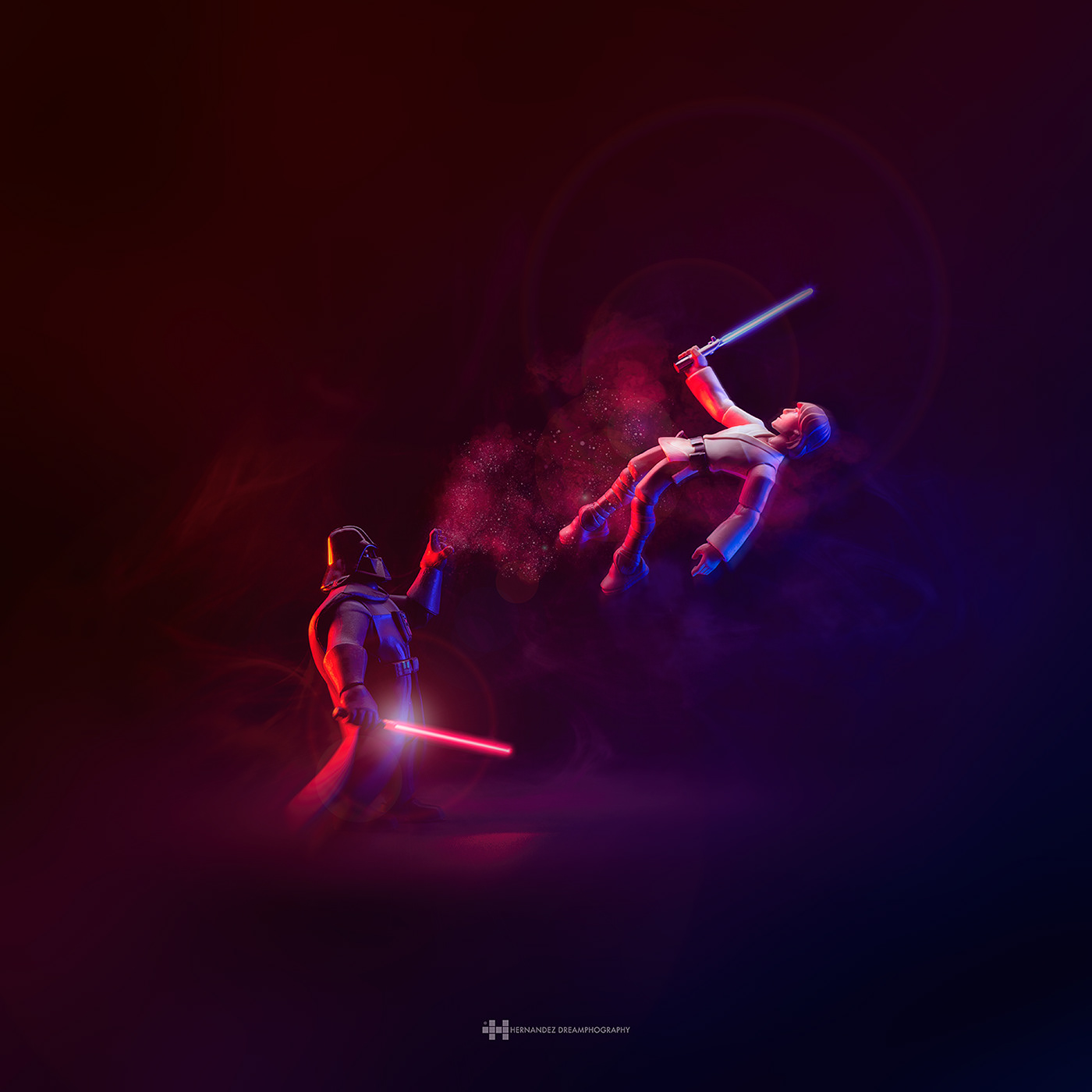
Star Wars "Toys"
Star Wars "Toys" Photography at the studio using Star Wars Toys. Practical effects and practical lighting (on camera) plus digital enhancement in Photoshop. 3 studio lights setup with gels plus laser wire.
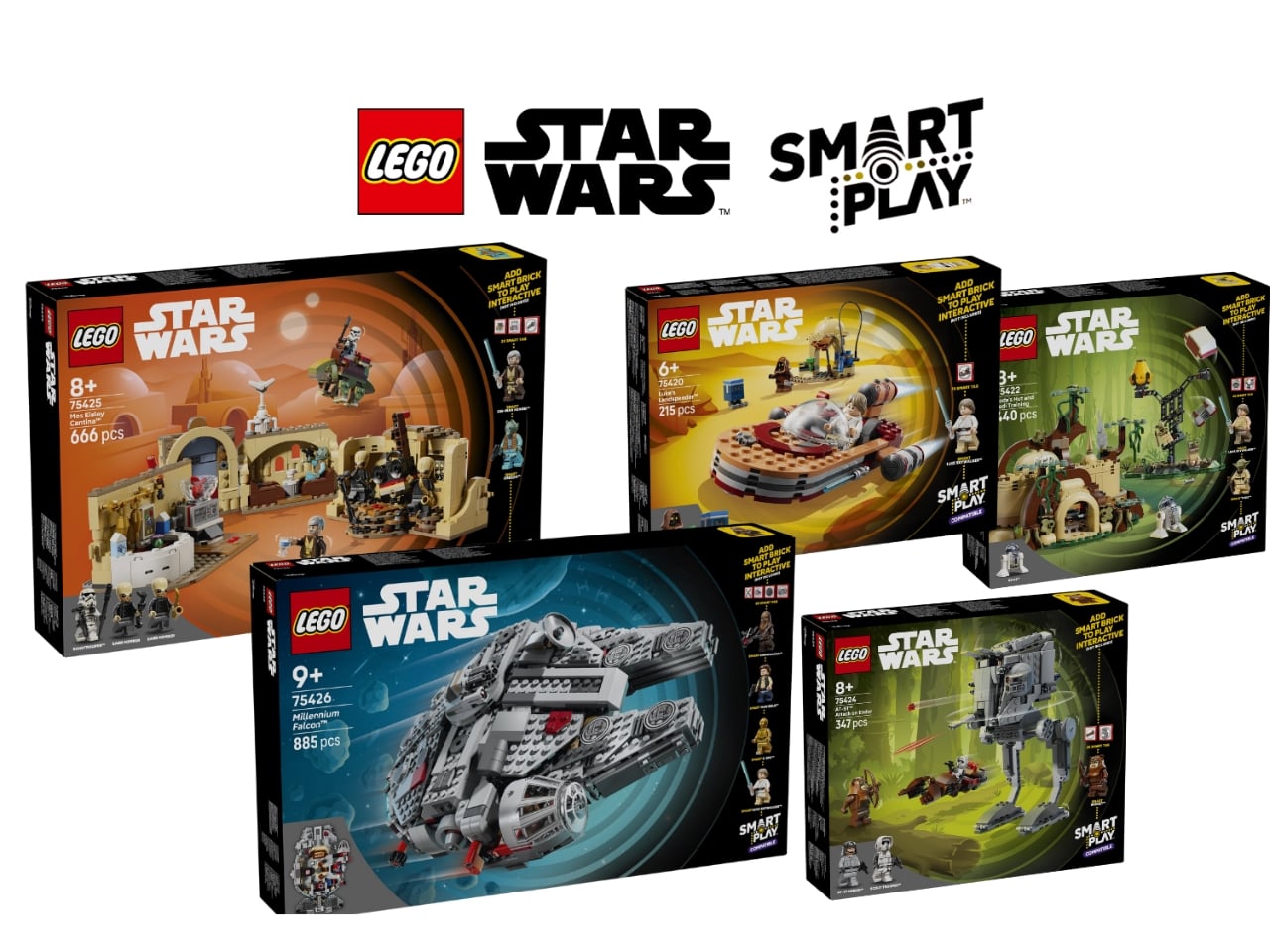
5 New LEGO Star Wars Smart Play Sets: Here’s What You Actually Get
Anyone who knows a Star Wars fan or is a fan themselves know that they are almost always collectors. They will collect anything from toys, clothes, shoes, and all other collectibles. LEGO is launching eight new Star Wars Smart Play sets in March 2026, bringing iconic ships and scenes from the original trilogy to life with interactive technology. But not all sets are created equal, and understanding the difference could save you from some serious buyer’s remorse. The Smart Play system revolves around a battery-powered Smart Brick that responds to movement, recognizes special minifigures, and triggers sounds and effects. LEGO has split the lineup into two tiers: All-in-One Sets that include everything you need, and Compatible Sets that require you to buy the Smart Brick separately. Five of the eight new sets fall into that second category, including the headlining Millennium Falcon. Designer: LEGO The 885-piece Millennium Falcon ($99.99) is the marquee Compatible Set, recreating the galaxy’s most famous smuggling vessel. The build features a spot for the Smart Brick directly behind the cockpit, with a lever that interacts with the brick’s light sensor to trigger sounds and effects. It includes Smart Minifigures of Han Solo, Luke Skywalker, Chewbacca, and C-3PO, each embedded with RFID chips that the brick can detect and respond to with character-specific reactions. Without the brick, though, you’re left with a well-designed but completely analog LEGO set. The 666-piece Mos Eisley Cantina ($79.99) recreates the cantina scene where Han shot first (or second, depending on which edit you believe). This Compatible Set lets you build the grungy spaceport tavern complete with Smart Minifigures and Tags that would trigger appropriate sound effects and character interactions when paired with a Smart Brick. It’s one of the more detailed environment builds in the lineup. On the smaller end, Luke’s Landspeeder ($39.99) offers an entry point into the Compatible Sets. While piece count hasn’t been officially disclosed, this desert transport vehicle should be a quick build that still includes Smart Minifigures. The AT-ST Endor Attack ($49.99) brings the imposing Imperial walker to life, presumably with motion-activated sounds when you stomp it across your floor. Yoda’s Hut and Jedi Training ($69.99) recreates Luke’s training on Dagobah. This Compatible Set likely includes Yoda, Luke, and R2-D2 as Smart Minifigures, with the potential for the brick to trigger Yoda’s iconic backwards speech patterns and training sequences. To actually activate any of these Compatible Sets, you need one of three All-in-One Sets that include the crucial Smart Brick and charger. Darth Vader’s TIE Fighter ($69.99) is the most affordable entry point, packaging the brick with the Dark Lord’s personal starfighter. This set comes with its own Smart Minifigures and functions perfectly as a standalone experience. Luke’s Red Five X-wing ($89.99) is another All-in-One option, building the Rebel starfighter that destroyed the Death Star. This set includes the Smart Brick, charger, and X-wing-specific Smart Minifigures. The brick can detect when you’re flying the ship or positioning it for attack runs, responding with appropriate sound effects. The premium All-in-One Set is the Throne Room Duel & A-wing ($139.99), which packages two builds in one: the climactic Emperor’s throne room scene and a Rebel A-wing starfighter. This set gives you the most bang for your buck if you’re investing in the Smart Play ecosystem, since you get diverse building experiences and the essential Smart Brick. The Smart Brick itself works across all these sets. You can detach it from Vader’s TIE Fighter and snap it into the Millennium Falcon, instantly activating all the interactive features. Each Smart Minifigure has a unique personality programmed into its chip, so bringing Han Solo close to the brick triggers different reactions than placing Darth Vader there. The fragmented approach means building a Smart Play collection requires careful planning. If you want the Millennium Falcon with full functionality, you’re looking at a minimum $170 investment (the Falcon plus the cheapest All-in-One Set). For completists wanting all eight sets, that’s a significant commitment, though you technically only need one Smart Brick to rotate between builds. The sets all launch March 1, 2026, recreating some of the most memorable moments from the original Star Wars trilogy. Whether the Smart Play system becomes a must-have innovation or a forgotten gimmick will depend on how well these interactive features enhance the core building and playing experience. For now, just make sure you know whether you’re buying a Compatible Set or an All-in-One Set, because that small distinction makes all the difference. The post 5 New LEGO Star Wars Smart Play Sets: Here’s What You Actually Get first appeared on Yanko Design.

Star Wars Stormtrooper Helmet

Star Wars: Ahsoka Eye of Sion Assembly

Star Wars X Theory 11
Deck of luxury playing cards created for Theory11 and Lucasfilm. Created for Mattson Creative.

Star Wars Shirt design
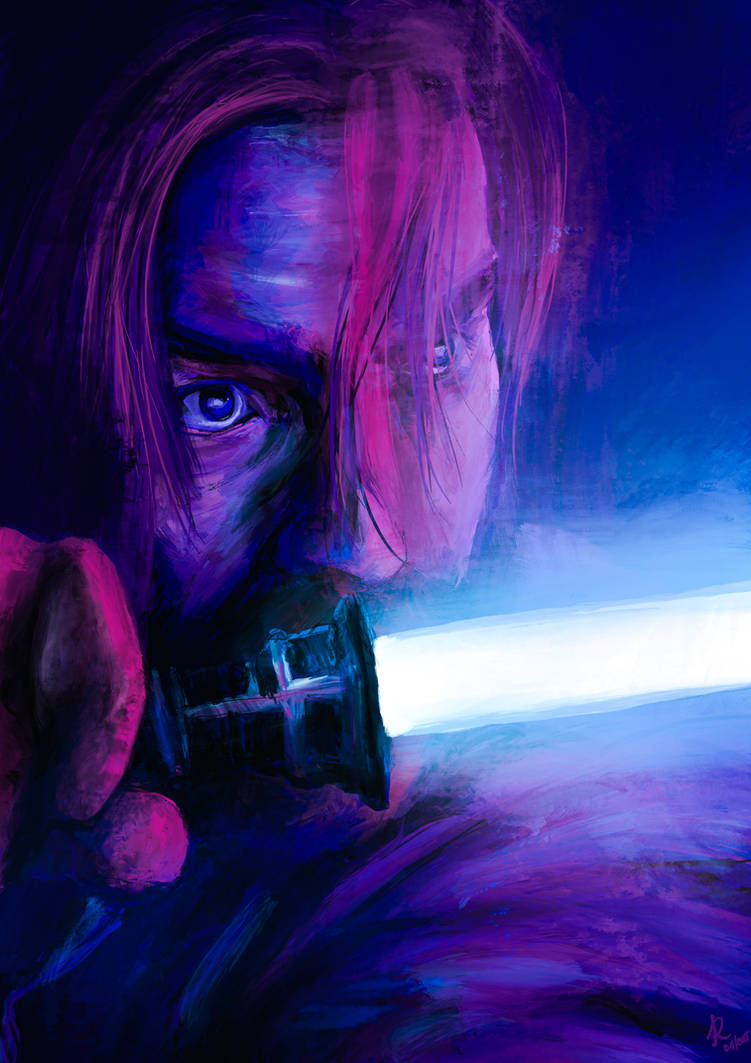
Star Wars | Obi-Wan Kenobi by jakub-radl

May the Force, by André Beato #graphic design #design #typography #creative #poster #star wars #inspiration #teal #force

Star Wars 360 Interactive Experience
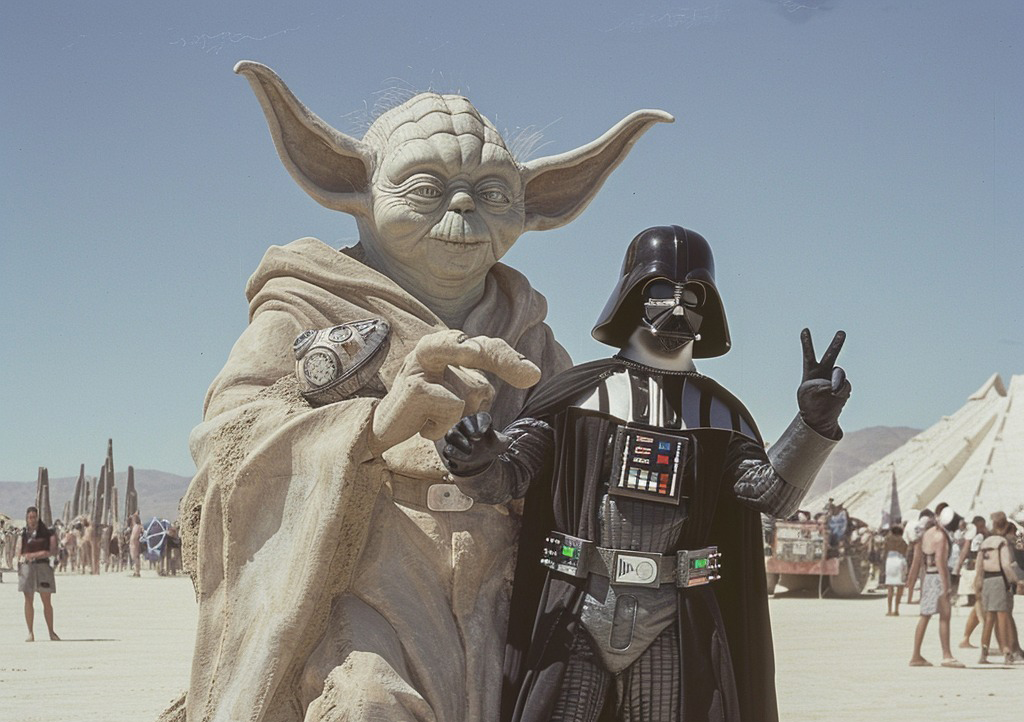
AI Artist Combines Star Wars Imagery with the Creative Spirit of Burning Man

Darth Vader Beetle _ Star Wars day 2019
2019 Star Wars day _ STAR WARS : Gallery (Artist collaboration)

In an Airstream Far, Far Away…Lives a Star Wars–Obsessed Design Fiend
Mountain Modern Airstream channels the Force into a cool, compact desert home for influencer Kyle Krieger.
This is 1% of what Muzli shows you.
Get the rest — fresh design inspiration on every new tab, free.
Add Muzli — free
Star Wars meets natural history in this oddly satisfying mashup
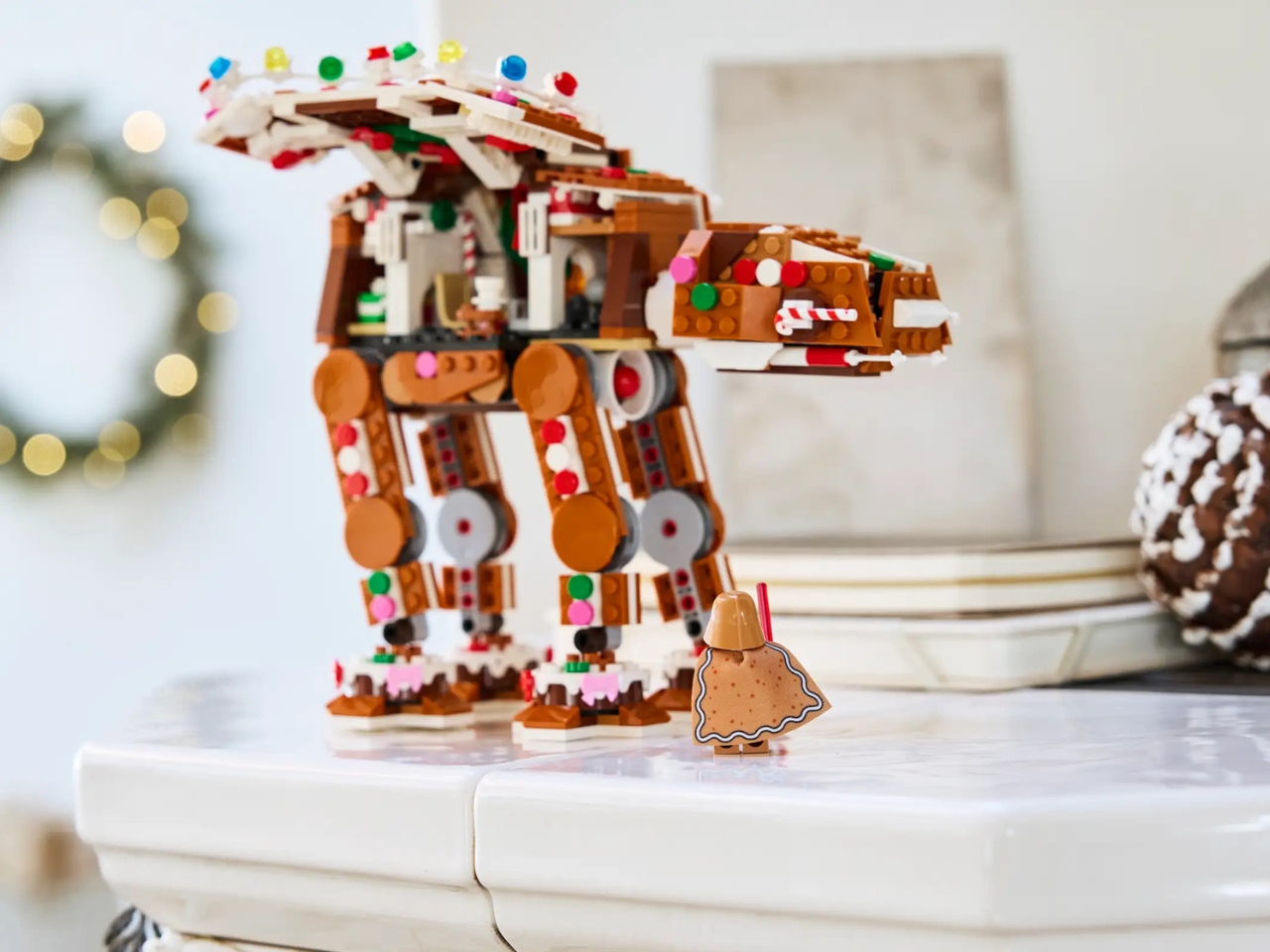
This Gingerbread AT-AT LEGO Set Is Every Star Wars Fan’s Dream Holiday Gift
Star Wars and Christmas just seem to go together well. Maybe it’s because of the famous (or infamous) Star Wars Holiday special or because it’s gift-giving season, but we always look forward to what holiday-themed things they bring out every year. The combination of these two beloved pop culture behemoths has become a cherished tradition for fans of all ages, creating that perfect blend of nostalgia and festive cheer that makes the holidays even more special. And while it’s most likely the adults that they cater to with their builds and sets, sometimes we do get reminders that Star Wars is for kids too (at least originally). Their newest festive build is out and it’s the perfect companion as you sip and eat your gingerbread-themed desserts. The LEGO® Star Wars Gingerbread AT-AT Walker is a great gift idea for the kids and the kid in you who love creating these famed transport and combat vehicles from the Star Wars universe. Whether you’re shopping for a young builder just discovering the galaxy far, far away or treating yourself to a delightful addition to your collection, this set checks all the boxes. The Christmas craft building set may not be as complicated or grand as the usual Star Wars sets that we get, but it’s a fun activity that young Star Wars fans who want to create their own All Terrain Armored Transport will absolutely adore (in case you didn’t know, that’s what AT-AT means). Designer: LEGO The AT-AT Walker in this set has all the regular features of the ones that we see in movies and TV shows, but with a holiday flair that makes it uniquely charming. It is designed with gingerbread-house-style decoration through the colorful round pieces that are included in the set, giving it that whimsical, festive feel that’s perfect for the season. You can do things like pose its legs in different walking positions, open the cockpit to reveal the pilot area, and even see what’s inside by flipping up the sides of the main compartment. The attention to detail here really shines through, making it both a display piece and an interactive toy. The interior may not be what you expect a combat vehicle to look like as it’s pretty cozy and warm—more gingerbread cottage than Imperial war machine. There’s a fireplace complete with flickering flames, a table set for a holiday feast, a drinking cup, cookie and candy cane elements that look good enough to eat, stockings on the wall waiting for tiny gifts, and a pile of beautifully wrapped presents on the side. In other words, this is a Christmas getaway for your favorite Star Wars villain. Oh and did we mention that the set comes with a Gingerbread Darth Vader LEGO minifigure? It’s absolutely adorable with its brown gingerbread coloring and festive details. Just resist the urge to eat it as it’s not edible, even though it certainly looks sweet enough to try! This 697-piece building kit measures around 7.5 inches high, 9 inches long, and 4 inches wide, making it a substantial but not overwhelming display piece. Once the kid (or you) finishes building the AT-AT Walker, it’s perfect to be placed on your own fireplace mantel, bookshelf, or even as a centerpiece on your holiday table as part of your upcoming holiday decorations. The warm gingerbread tones and festive details make it blend beautifully with traditional Christmas decor while still celebrating your Star Wars fandom. If they (or you) need help in building this, the LEGO® Builder app is always there to guide them through each step and even view a 3D digital version of the Gingerbread walker. This digital companion makes the building experience even more enjoyable, especially for younger builders who might be tackling a LEGO set of this size for the first time. The app allows you to zoom in, rotate, and view the model from every angle, ensuring that every piece goes exactly where it should. This delightful set makes for wonderful quality time during the holidays, whether you’re building it solo with a cup of hot cocoa or making it a family activity. It’s these kinds of seasonal releases that remind us why we fell in love with LEGO and Star Wars in the first place as they bring joy, creativity, and a touch of magic to the season. The post This Gingerbread AT-AT LEGO Set Is Every Star Wars Fan’s Dream Holiday Gift first appeared on Yanko Design.

Star Wars Celebration Prints
Star Wars Celebration licensed prints Lucasfilm

Star Wars: Ahsoka Vesper Cruiser

Star Wars Omega As Sith by ACutePuppie

Star Wars Yavin Base

Star Wars squadrons trailer concept art

THE BOOK OF STAR WARS.
My Painting of the new TV show from Disney and Lucasfilm, The Book of Boba Fett.

Star Wars Tribute F A T H E R
Star Wars Tribute F A T H E R Darth Vader portrait

Star Wars Was Almost A Much Weirder Movie

Star Wars x Oreo | Mondlicht Studios

#8. UI to Code - Star Wars Product Card
This is 1% of what Muzli shows you.
Get the rest — fresh design inspiration on every new tab, free.
Add Muzli — free#8. UI to Code - Star Wars Product Card
Get access to thousands of freshly updated design inspiration pieces by adding Muzli to your browser.
Loved by 900k designers worldwide, Muzli is the leading go-to browser extension for creative professionals.
What can designers learn from the visual design legacy of Star Wars?
Star Wars created one of the most influential and intensively studied visual design systems in entertainment history. From Ralph McQuarrie's original concept paintings to the meticulous prop design philosophy of "used universe" — the idea that everything should look lived-in rather than pristine — the franchise established visual conventions that continue to shape sci-fi aesthetics, product design, and digital interface design decades later.
What design principles define the Star Wars visual language?
Three principles are core: retro-futurism (technology rendered with an analog, mechanical sensibility rather than smooth digital surfaces), color coding for narrative clarity (Rebels in earth tones and natural materials; Empire in grays, blacks, and geometric order), and the used-universe aesthetic (scuffs, wear, and weathering that make fictional technology believable). These principles are directly applicable beyond entertainment — brand identity, UI design, and product design all benefit from the visual authenticity that wear and history suggest.
How does Star Wars art influence contemporary graphic and digital design?
McQuarrie's concept paintings introduced a generation of designers to the power of environmental storytelling through light, scale, and atmospheric perspective. In digital design, the franchise's interface aesthetics — holographic projections, green-on-black displays, circular readout panels — directly influenced dark UI and data visualization design trends. Star Wars poster art remains one of the richest archives for studying compositional hierarchy and the handling of contrast and negative space.
All collections
UI design
Screens & flows
Apps
Components
Kits, mockups & icons
Web design
Websites
Pages & sections
Graphic design
Posters & print
Marketing
Illustration & motion
Type & graphics
Branding
Logos & identity
Packaging & stationery