
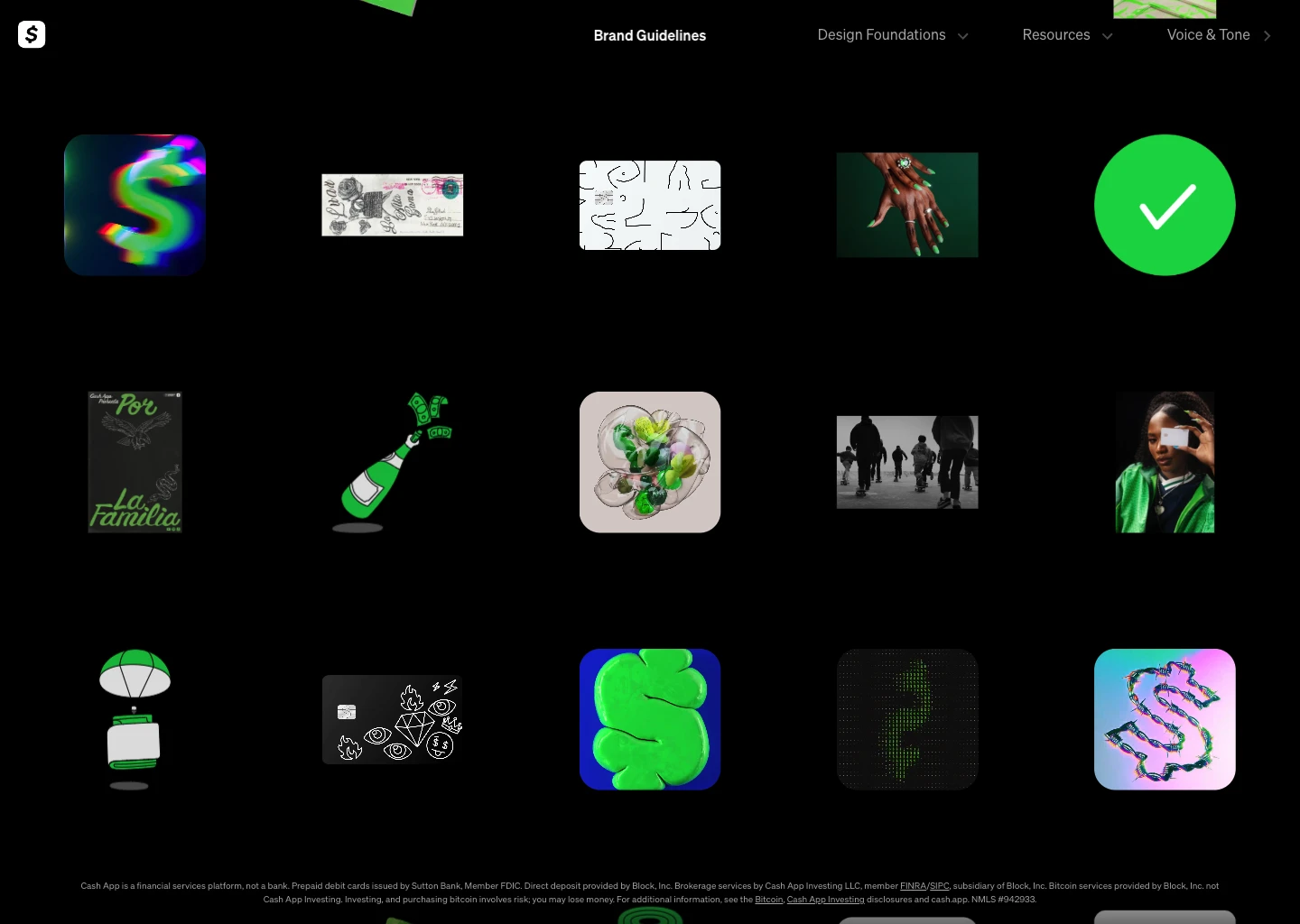
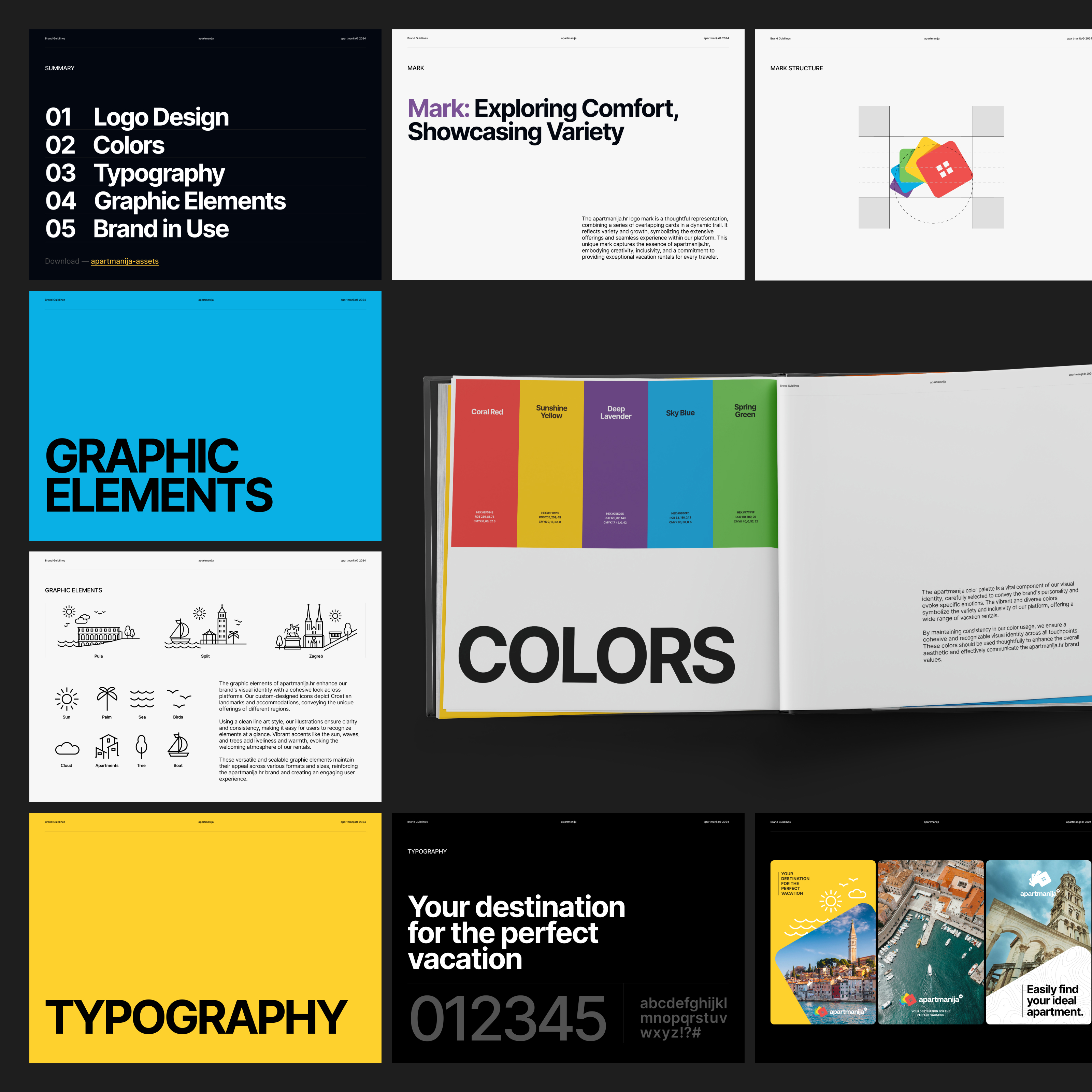
Website: Rocket Brand Guidelines
Helping everyone home.
Muzli collects new design work from 200+ sources every day. This collection picks the best of it and changes as new work comes in.
Helping everyone home.




Style guide for the visual language of the New Bauhaus movement.


This is 1% of what Muzli shows you.
Get the rest — fresh design inspiration on every new tab, free.
Add Muzli — free


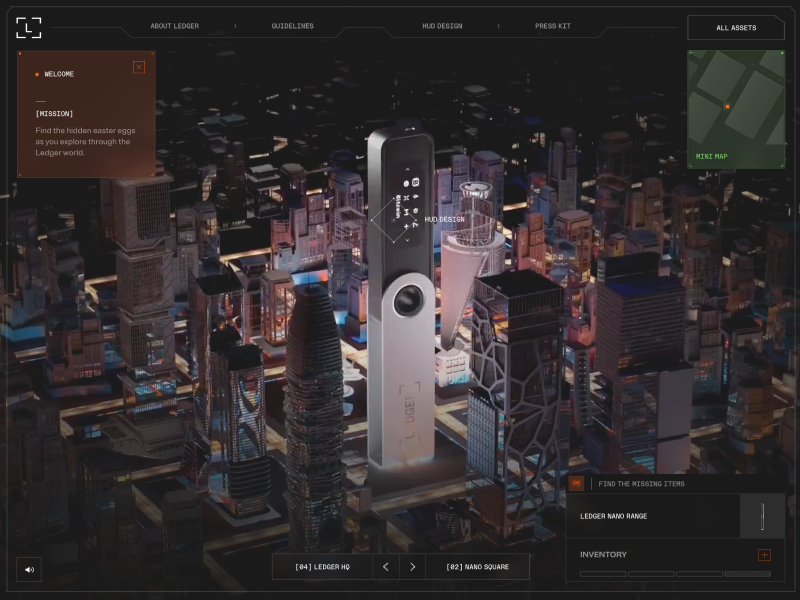
Creating a 3D university for the brand management software, weareseventeen wanted to give each of the content blocks ‘character’, without them becoming a character.
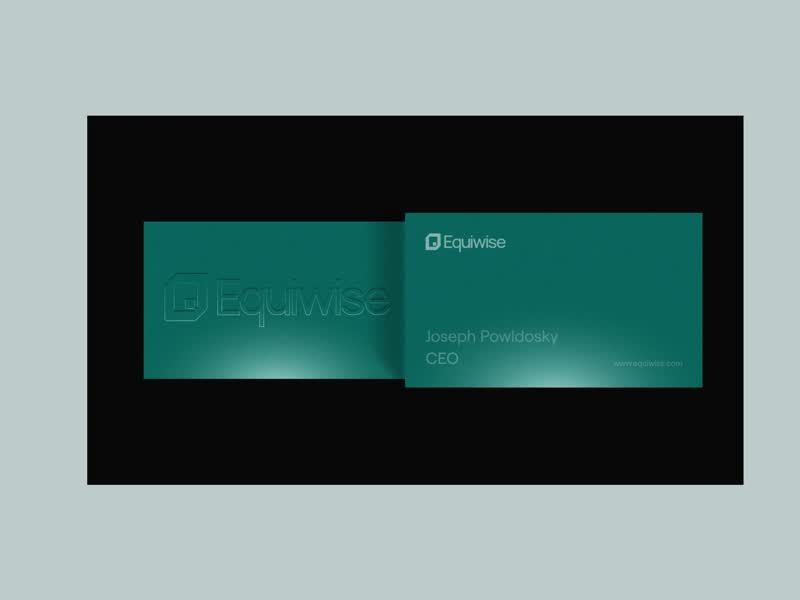


Carbometrix – Brand Guidelines Editorial Design · 2023 In collaboration with Anagram This project is an editorial design created for Carbometrix, a company focused on generating a positive impact through the reduction of greenhouse gas emissions. My goal was to develop a Brandbook that not only communicated the strategic essence of the brand with clarity, but also reflected its technological vision and its commitment to the planet. I worked alongside the design agency Anagram, developing a visual proposal that combines geometric structures, transparency, and a cool-toned palette to convey precision, clarity, and a sense of the future. The result is a clean, contemporary, and carefully crafted editorial piece where every visual element supports the brand’s message.


/website/97441/6cb14741f6871472-screenshot-upload?signature=e1bffe7413cc3978fe9c0d65b8d22e88a04678b92087a1c85a55405f8f3c29dd)
This is 1% of what Muzli shows you.
Get the rest — fresh design inspiration on every new tab, free.
Add Muzli — free
Sonos came to us because of our experience in creating brand books for large future-facing companies?they wanted to define a period of intense brand and product design work and mark the moment in time for their team. Using the onboarding materials and brand guidelines for numerous teams under the design, we worked closely with those respective teams to capture the strategy and output of the teams that are responsible for building and releasing Sonos products into the world. Sonos knew that they wanted the content and the form factors to reflect the dedication and attention to detail that the brand prides itself on.

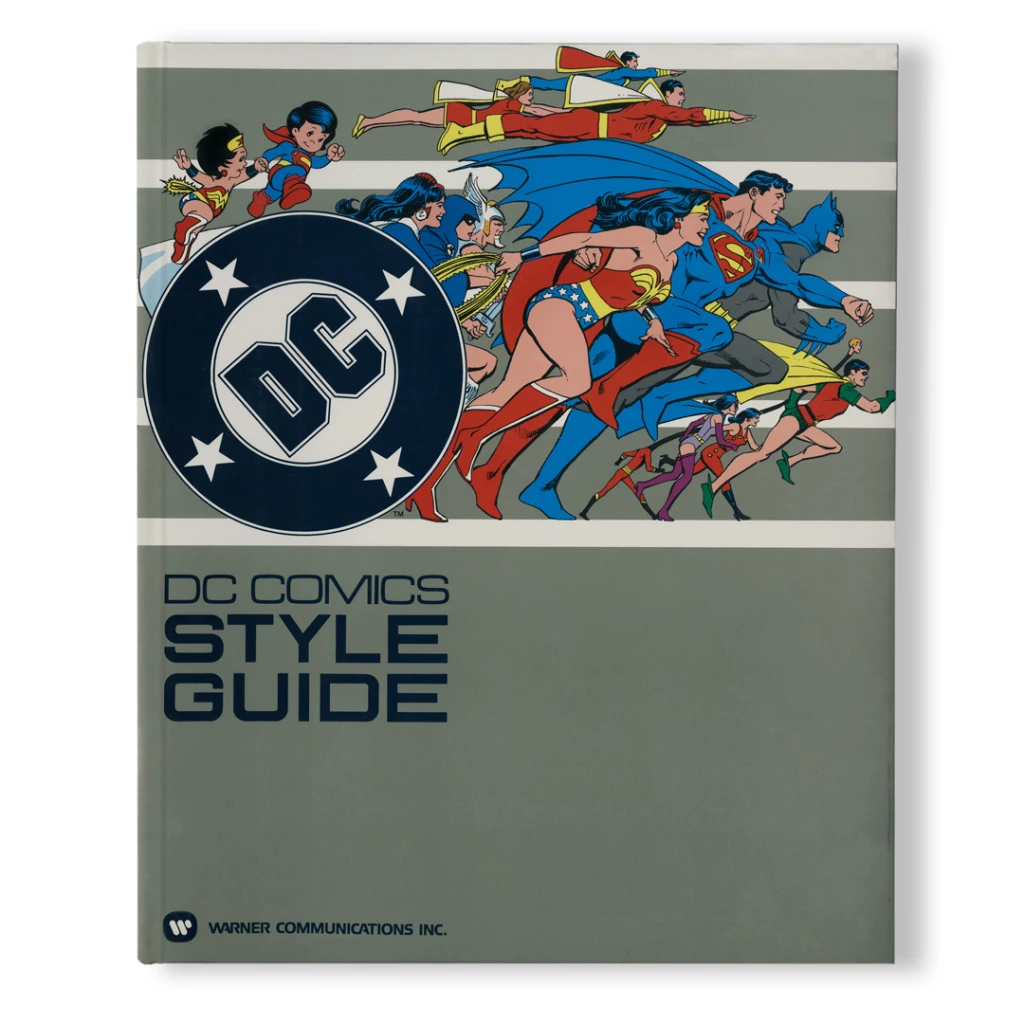
It was a leap of faith, to say the least—as perhaps any Craigslist transaction truly is. Fresh off the publication of their meticulously reproduced NASA and New York City Transit Authority graphic standards manuals, in 2017 Hamish Smyth and Jesse Reed (the duo behind aptly named publishing imprint Standard Manuals) received a text from a friend containing a Craigslist link. A comics shop was selling what purported to be a rare original DC Comics Style Guide from the early ’80s. The pair had never heard of the book. But as mavens of all things standards, they ultimately couldn’t resist peering down the rabbit hole. [Photo: Standards Manual] Soon they found themselves trading a chunk of cash for it—and in the process, stumbled upon the massively influential raw materials of a legendary comics brand. “We had no idea really what was even in it,” Smyth says, “And we got it . . . and it was just amazing—page after page of this amazing artwork.” It took a few years of working with DC owner Warner Bros. to get the license to create a 1:1 facsimile of the book, but the pair eventually did, and it is officially available for preorder today. If anything, the delay is apropos—because licensing was the whole point of the original tome to begin with. [Photo: Standards Manual] DC Comic’s quest for consistency In 1982, Paul Levitz (who wrote the foreword to the new edition) was effectively DC Comics’ COO. Back then, the company had a twofold problem: When it came to licensing its characters for any product (think clothing, cereal, collectibles, and so on), outside partners would often pull imagery from DC’s comic books. In addition to rightfully pissing off the artists, who received no extra compensation, there was no consistent look to the superheroes from one product to another, given that different artists rotated in and out of series. Levitz and new DC president Jenette Kahn thought there had to be a way to tame the market—so they devised the idea of a style guide containing a massive array of character artwork in a single style that could be pulled and consistently applied across all licensed products. “We [decided we’d] get one of our best talents doing hopefully their best work and kind of solve both problems at once,” Levitz recalls. [Photo: Standards Manual] That artist? José García-López. “José was sort of the rising star of our talent pool at that point—he was a guy who could do any of the characters well, and at the same time, he was a little slower, a little more meticulous, maybe, than the average comic book artist.” This is your Batman García-López drew the entire DC universe from the ground up, from Batman to Wonder Woman to Superman to Aquaman to their associated gallery of rogues, which comics vet Dick Giordano inked for the spiral-bound book. Across hundreds of pages, they were all presented in varying states and scenarios to appeal to a vast array of applications, with the guide providing color swatches, character profiles, logos, and more. [Photo: Standards Manual] Ultimately, Levitz estimates DC only produced “several hundred” copies of the book—but the remarkable thing is, when you see these images, you’ll know them. And that’s a testament to the utterly wild influence the book had on the cultural landscape. Wore Batman pajamas in the ’80s? This is your Batman. Had a Joker lunchbox? Here’s your Joker. Donned a Catwoman Halloween costume? This is your Catwoman. In reigning in all of DC’s IP and standardizing its subsequent output, the style guide transcended any individual artist’s comics run and cemented these characters, in García-López’s forms, as the original and most iconic version in our minds. [Photo: Standards Manual] “You saw it in the supermarket, you saw it in the toy store, you saw it sitting on your shelf, so it had more opportunities to imprint on you. And of course, it had a real effect on the other artists as well,” finding its way back to the actual comics, Levitz says. “We kept writing bonus checks to José and Dick year after year, because we were amazed that we were still getting so much use out of it and we felt guilty.” [Photo: Standards Manual] From grainy pirated copies to full-color hardcover Levitz estimates the guide was used well into the ’90s, and additional complementary licensing books were developed for Tim Burton’s Batman films, as well as Batman: the Animated Series. Until now, this guide could only be found online, often in subpar image quality. Standards Manual’s edition marks the first time the book has been reproduced in print (and here, in a luxe 384-page hardcover, based on meticulous scanning and minimal editing to make it as authentic as possible to their copy). To Levitz, the endeavor came as a surprise—but a welcome one. “Most creative work has the lifespan of a mayfly. When you see something you worked on creatively or as a businessperson have the kind of lifespan where second generations or third generations are taking it as their own, it’s a great feeling,” he says. “It’s amazing to me that the book exists.”

/ef233350-87e2-40da-93a5-55c5b8831514-thumb.jpeg)


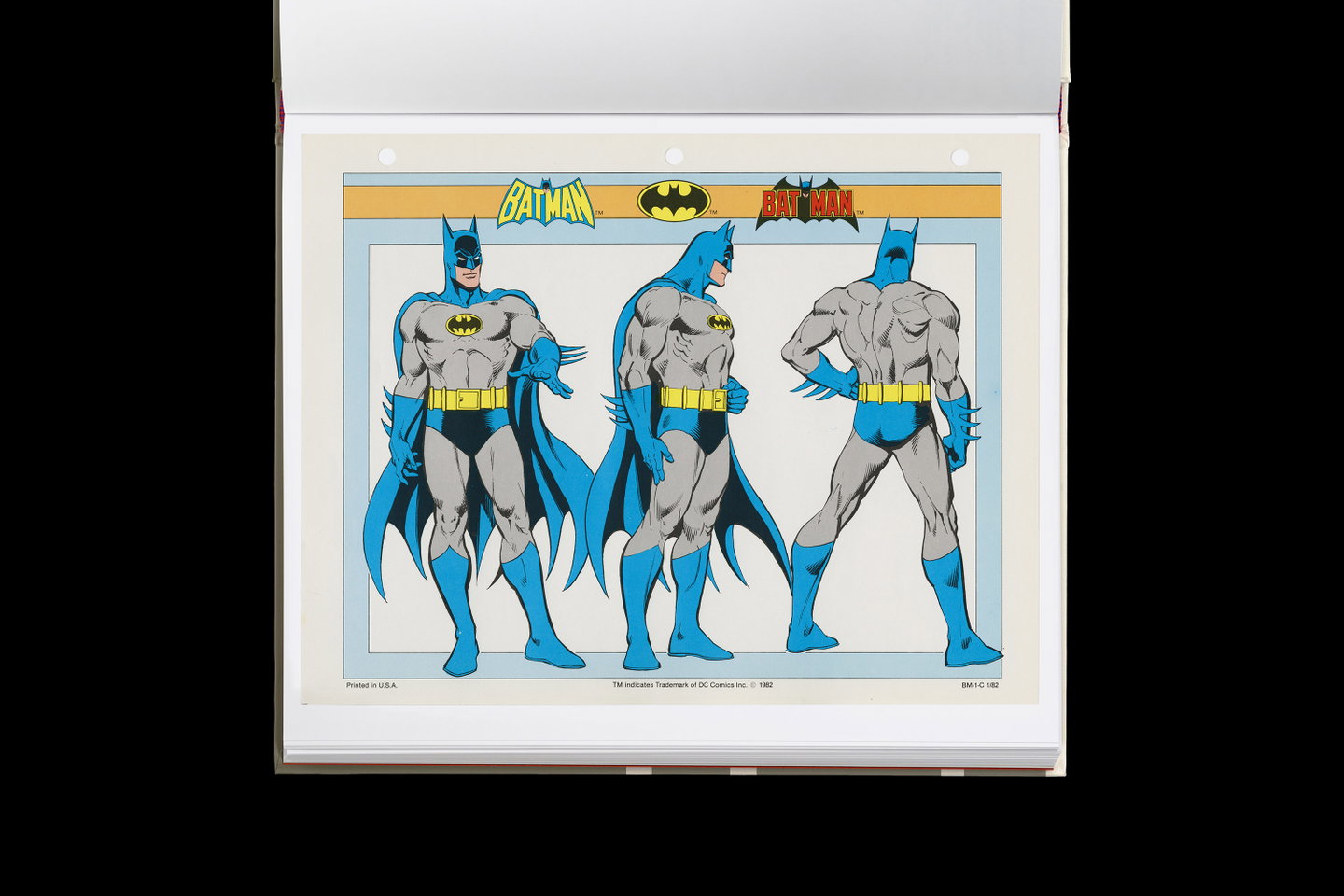
In 1982, DC Comics totally standardised DC superheroes for product licensing. The manual, drawn by comic legend José Luis García-López, is just seeing the light of day.
This is 1% of what Muzli shows you.
Get the rest — fresh design inspiration on every new tab, free.
Add Muzli — free



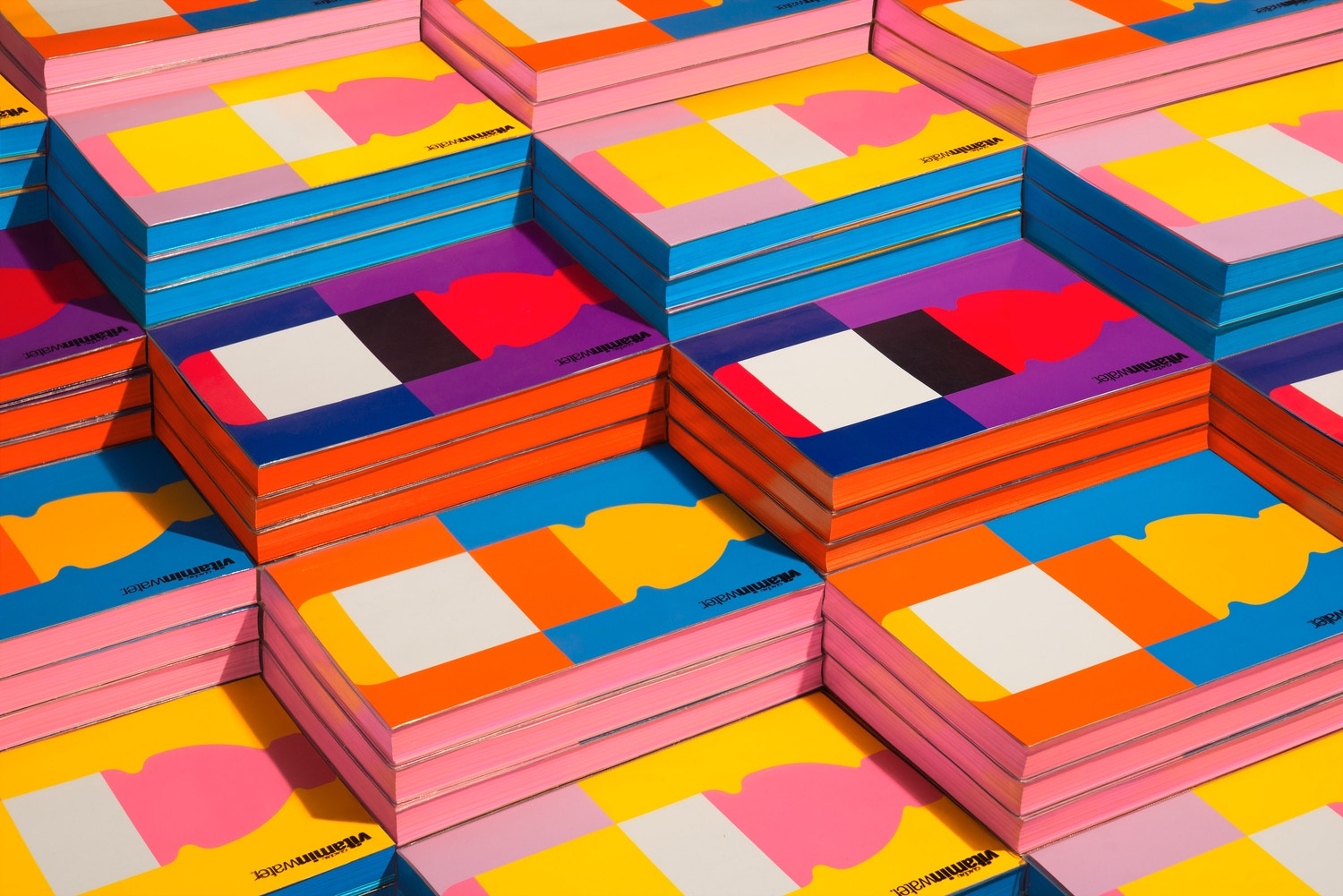
Visit Link Pretty epic brand book -- part history, part strategy, and part guidelines -- that showcases the identity work by Collins for vitaminwater in collaboration with their creative team.


For the Sar?k?z mineral water brand, which has a rich history, we have created a renewed brand concept that breathes the spirit of the new generation. Not just redesigning a product, but devising a philosophy that champions freedom, discovery, and self-expression. Through a fresh visual identity, we forged a unique language that facilitates a deeper connection between the brand and modern youth culture. Now, Sar?k?z stands as not just a beverage, but a movement toward boldness and rebellion, bridging traditions to tomorrow.

This is 1% of what Muzli shows you.
Get the rest — fresh design inspiration on every new tab, free.
Add Muzli — free




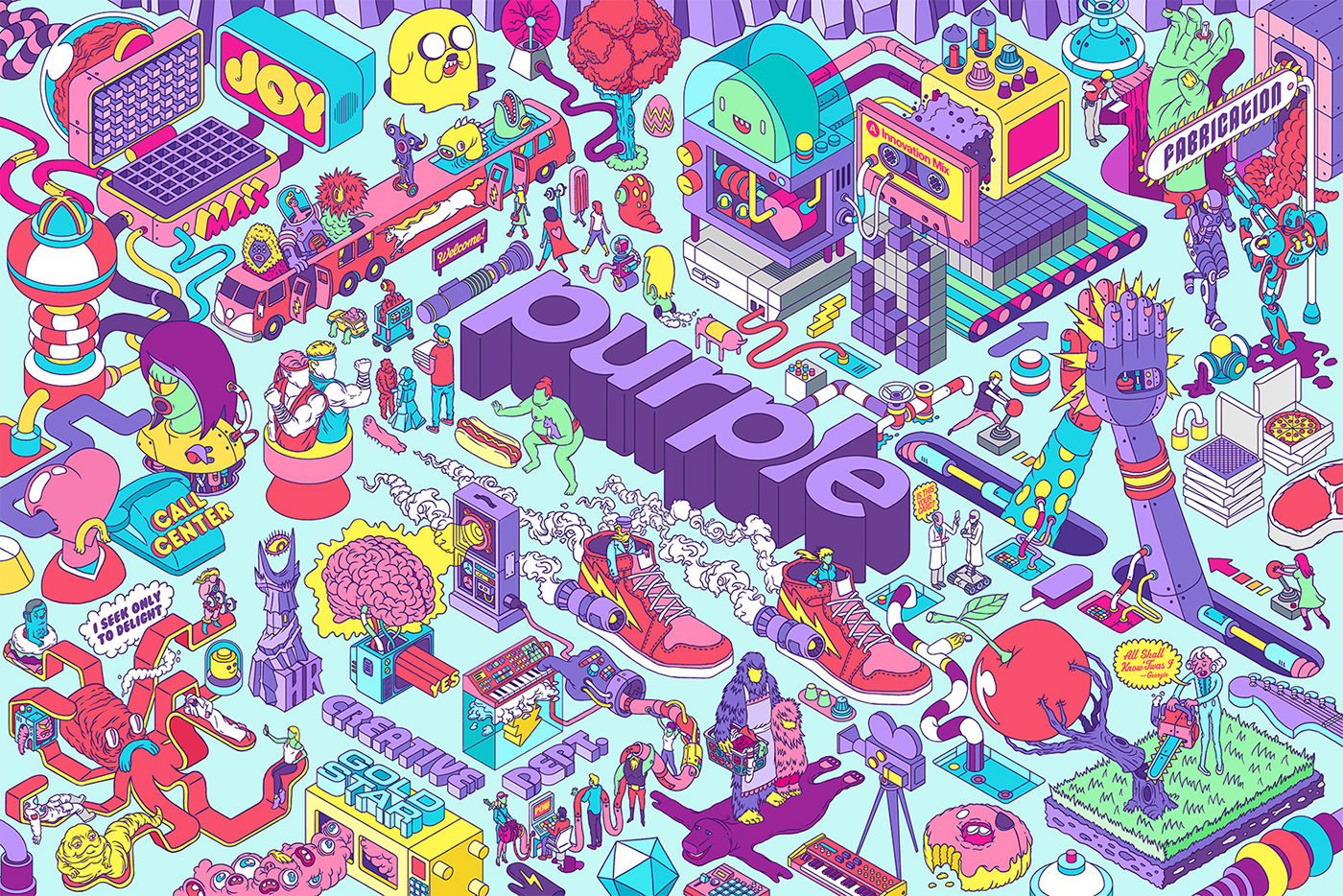
Purple makes the best mattresses in the world. So I was stoked when they hired me to pump out some illustrations for their internal brand book. The illustration itself is based on the various departments that make the magic happen. As well as some inside jokes, callouts to their famous youtube videos, production processes and lots of analogies.
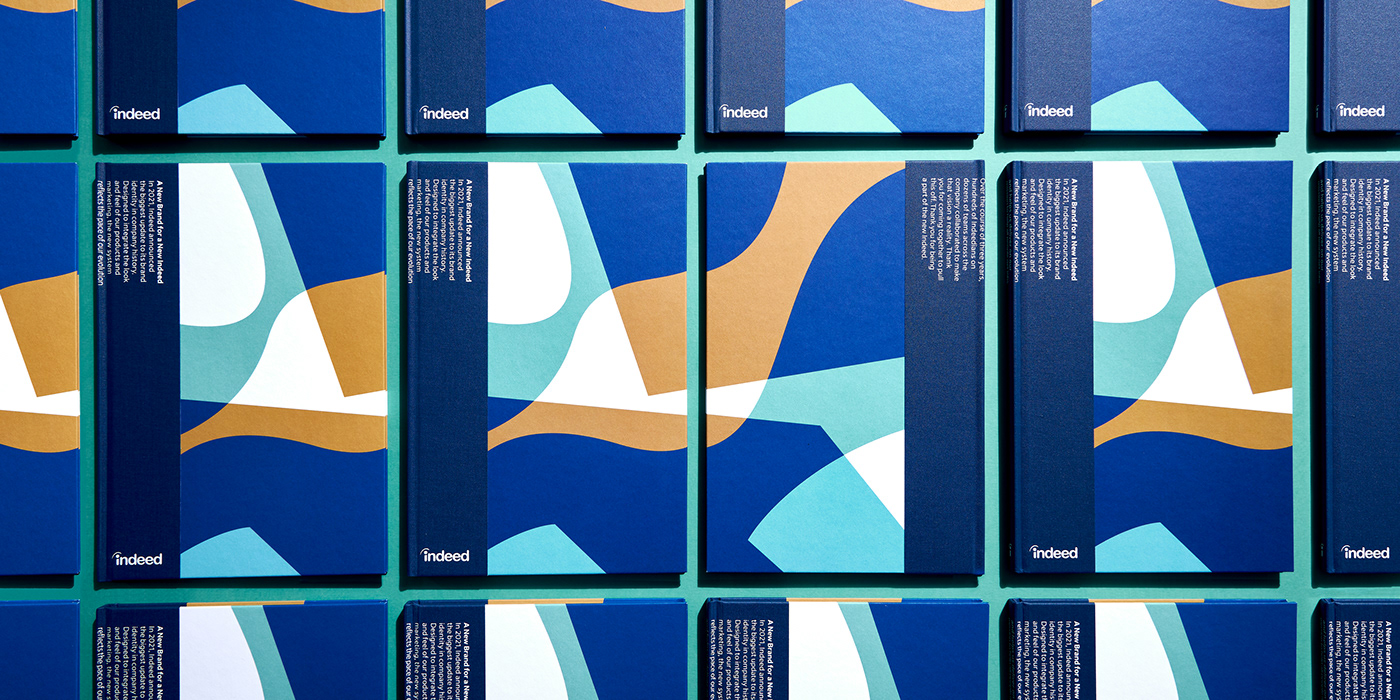
Over the course of 3 years, the Indeed brand systems team collaborated with the greater company to create a new brand identity. We worked with the team to design an object to act as a thank you to Indeed, a collection of the hard work, talent, and memories created in building this brand identity. The finished book is a celebration of this milestone and a behind-the-scenes look into what brought the new identity to life.

This is 1% of what Muzli shows you.
Get the rest — fresh design inspiration on every new tab, free.
Add Muzli — free Get access to thousands of freshly updated design inspiration pieces by adding Muzli to your browser.
Loved by 900k designers worldwide, Muzli is the leading go-to browser extension for creative professionals.
Most brand books fail because they were designed to be impressive rather than useful. A 120-page PDF that requires scrolling through full-page spreads to find the logo clearspace specification will not be used by the marketing manager who needs to brief a vendor. The strategic design goal for a brand book is the same as any information design problem: make the right information findable by the right person in the minimum number of steps. This often means designing for digital use primarily and print as secondary, with clear navigation, section bookmarks, and scannable layouts.
A functional brand book covers: brand story (mission, values, personality — one page maximum); logo usage (primary, secondary, and responsive variants; clearspace; minimum sizes; incorrect usage examples); color system (HEX, RGB, CMYK, and Pantone references for all colors); typography (primary and secondary typefaces, scale, usage rules); iconography and photography style; and tone of voice guidelines. Each section should answer the three most common questions practitioners ask about it, with visual examples of correct and incorrect application.
Interactive PDF with hyperlinked contents, searchable text, and bookmarked sections is the minimum viable format for a working brand document. Web-based brand portals (Frontify, Brandfolder, or custom Notion-style documentation) outperform PDFs for teams that update guidelines frequently — they're versionable, shareable without file attachment, and searchable. One practical format that gets overlooked: a 2-page quick reference card with the logo, colors, and typography — the items used 90% of the time — for distribution to non-design stakeholders.
Screens & flows
Apps
Components
Kits, mockups & icons
Websites
Pages & sections
Posters & print
Marketing
Illustration & motion
Type & graphics
Logos & identity
Packaging & stationery