Design Inspiration
Character design examples
Our most recent collection of Character design examples.
We curate topical collections around design to inspire you in the design process.
This constantly-updated list featuring what we find on the always-fresh Muzli inventory.
Last update:
character & illustration 04

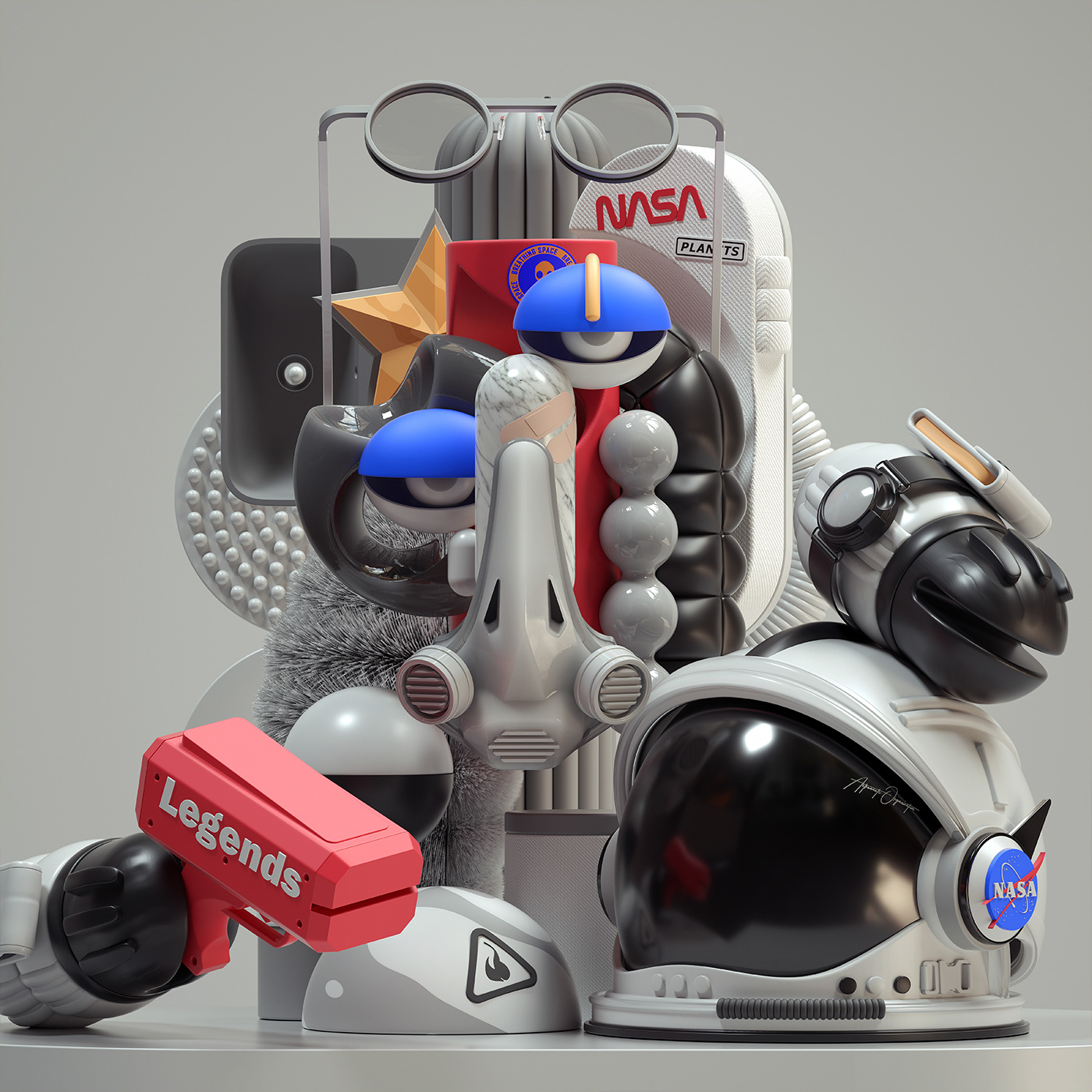
3D Character Illustrations
3D character and object Illustrations
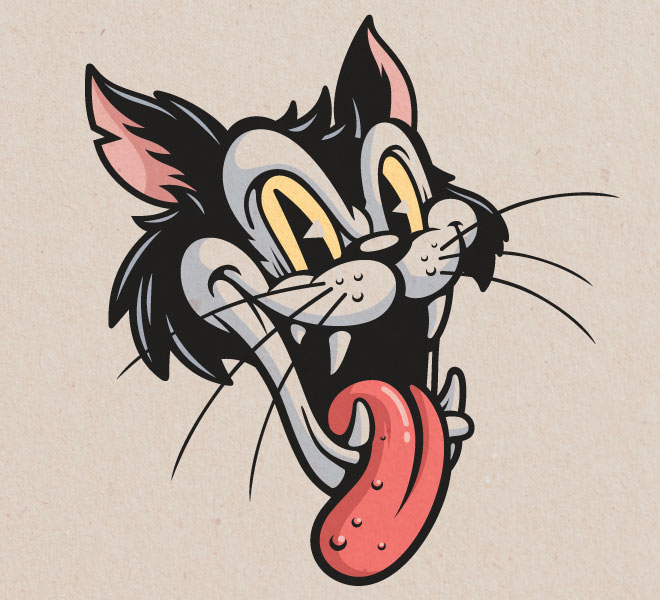
Showcase of Character Illustrations Inspired by 1930s Cartoons
The art style of early cartoons from the 1920s-1930s era is known as “Rubber Hose”. It refers to the bendy limbs of cartoon characters from Disney and Fleischer Studios, such as Felix the Cat, Betty Boop and early Mickey Mouse (or Steamboat Willie) and their associated antagonists. Other characteristics that give the cartoons of the […] The post Showcase of Character Illustrations Inspired by 1930s Cartoons appeared first on Spoon Graphics.
character & illustration
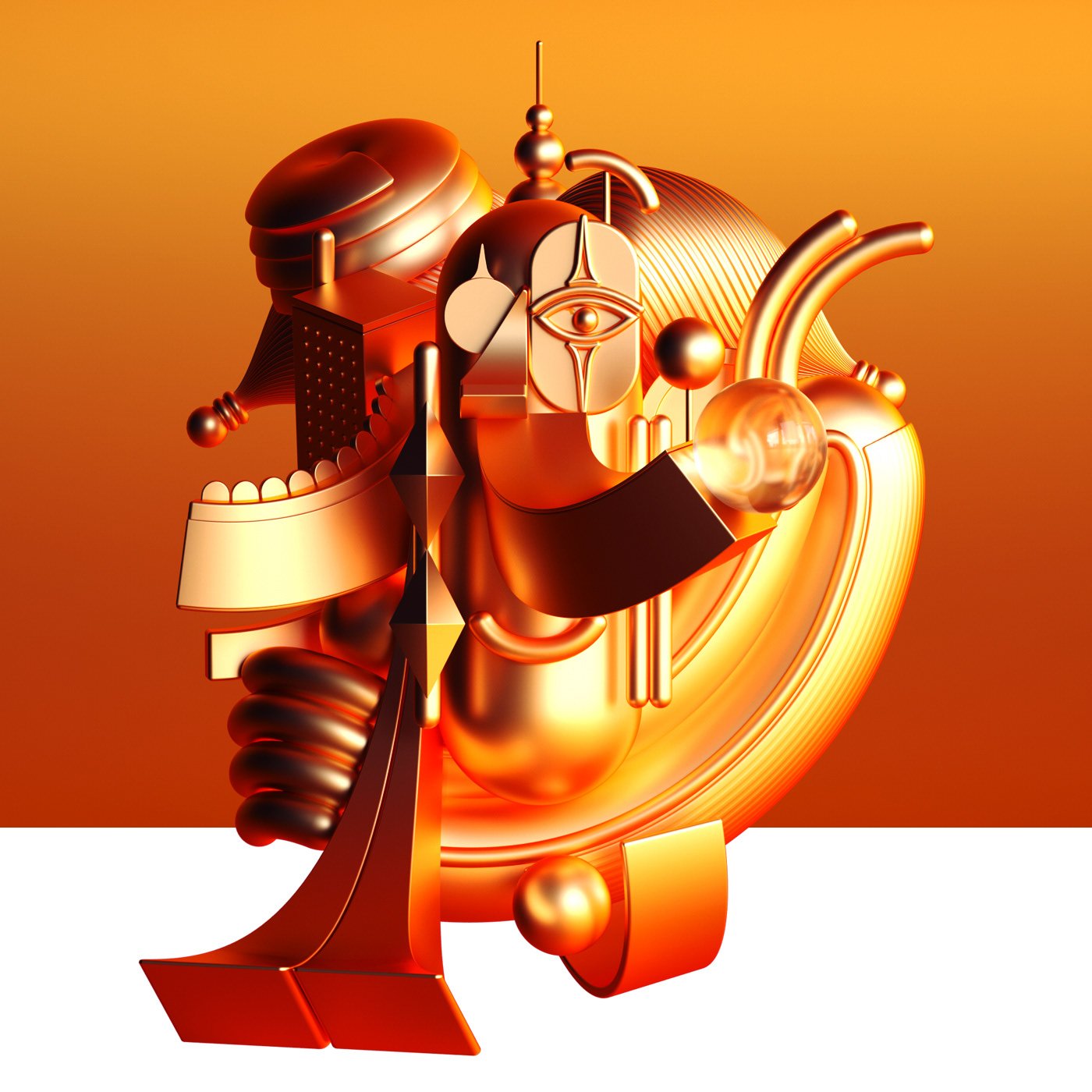
DOPE Character Illustration V
DOPE Character Illustration V Inspired by Picasso By OMARAQIL- CRSTUDIO
Character Illustrations
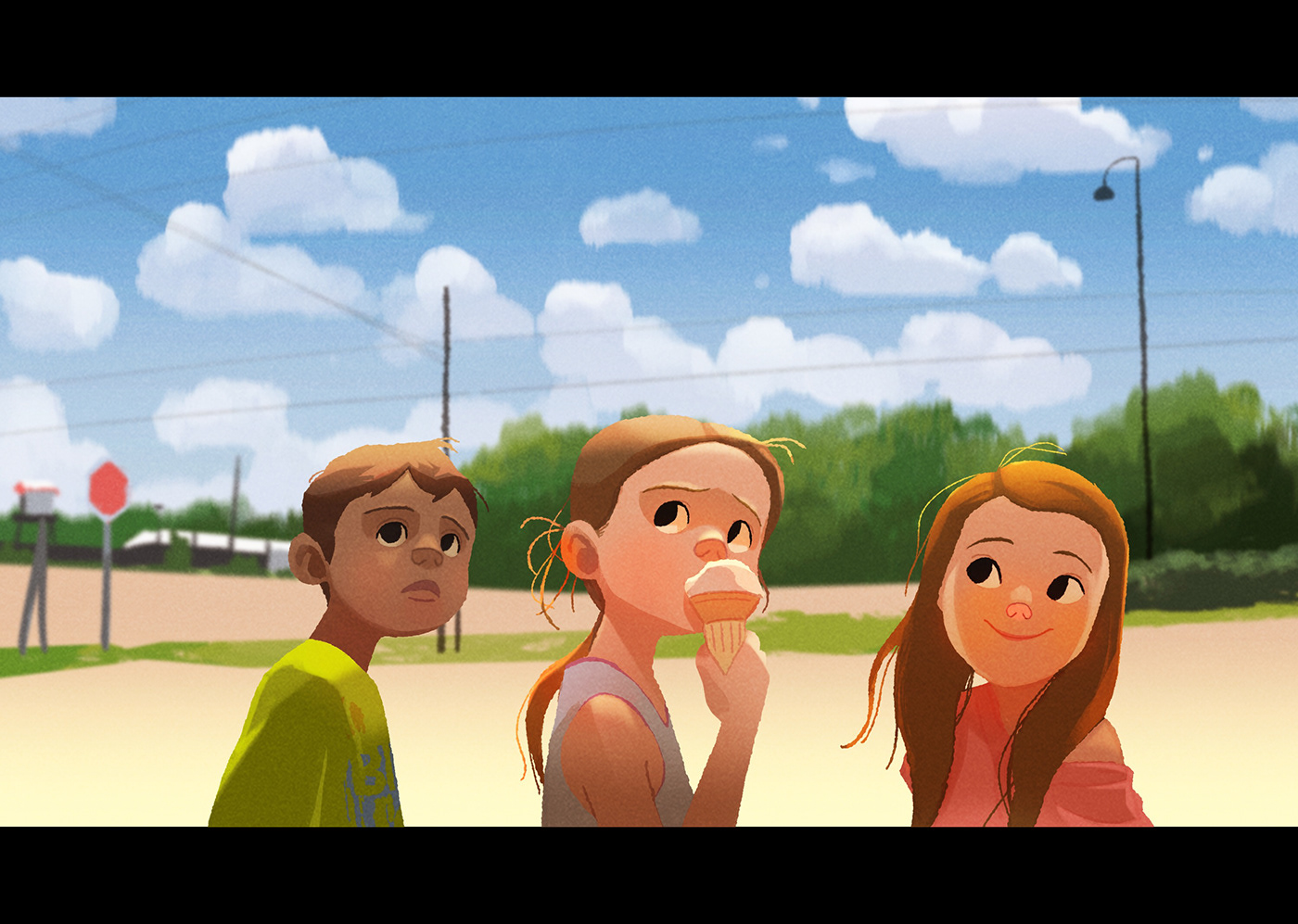
character & illustration 06

DOPE Character Illustration V

Character Design 02

Character design 02
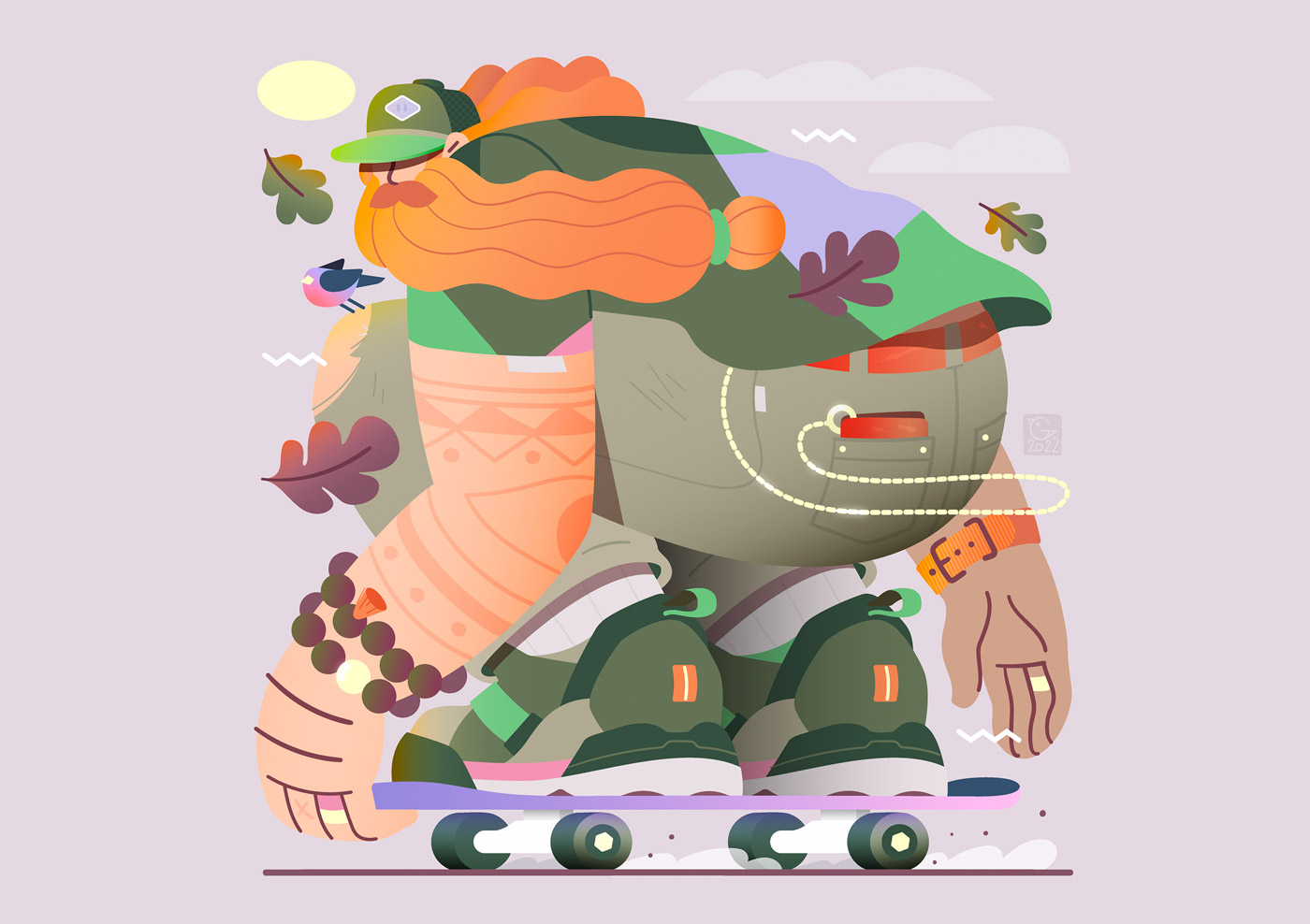
Fun Character Illustrations by Gaspart
This is 1% of what Muzli shows you.
Get the rest — fresh design inspiration on every new tab, free.
Add Muzli — free
character & illustration 02
3D Character Illustrations
3D character and object Illustrations
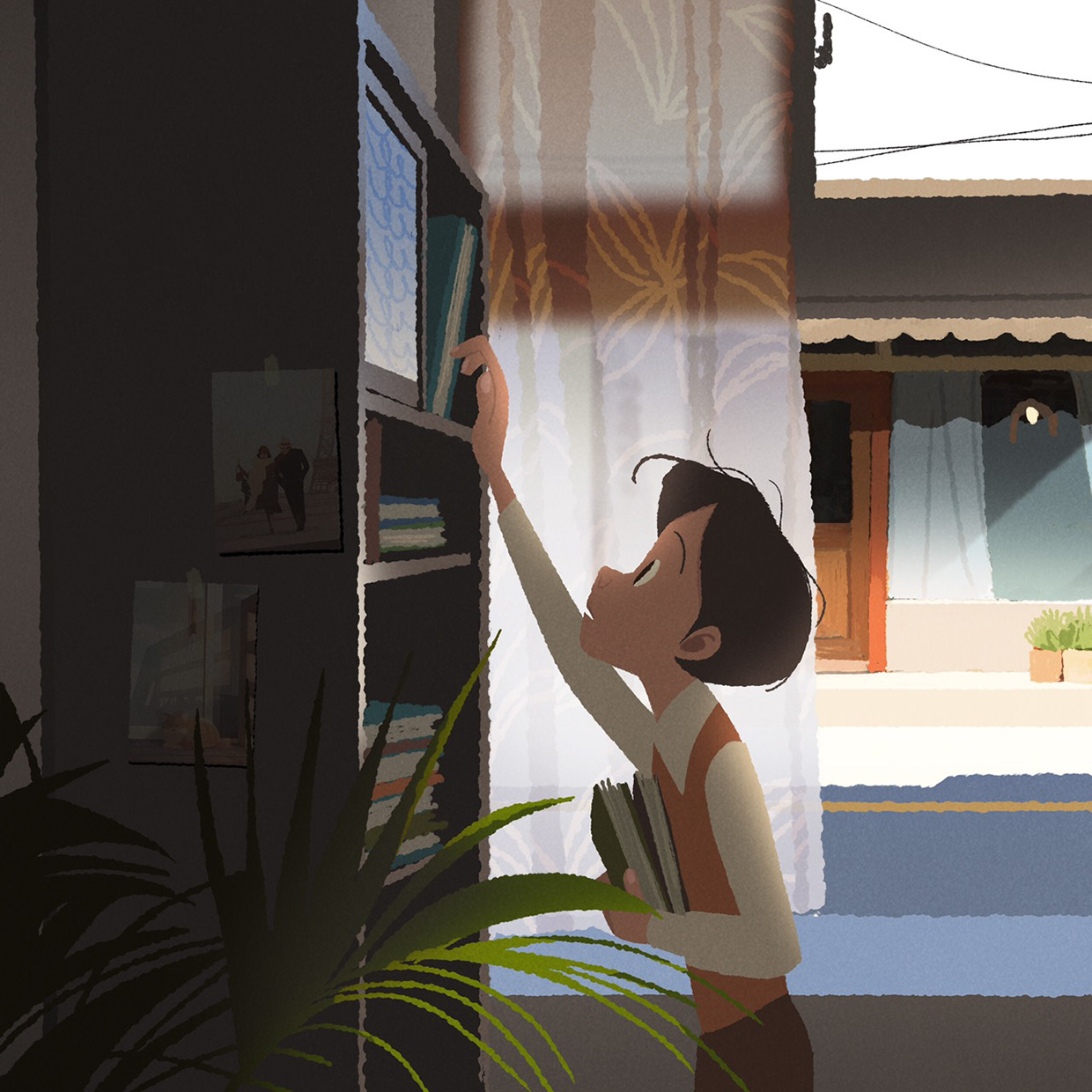
character & illustration 05
character & illustration 05

Character Design early 2017

Character Design Vol.03
Personal project to design characters and stickers. Font: Balgin by Studio Sun*
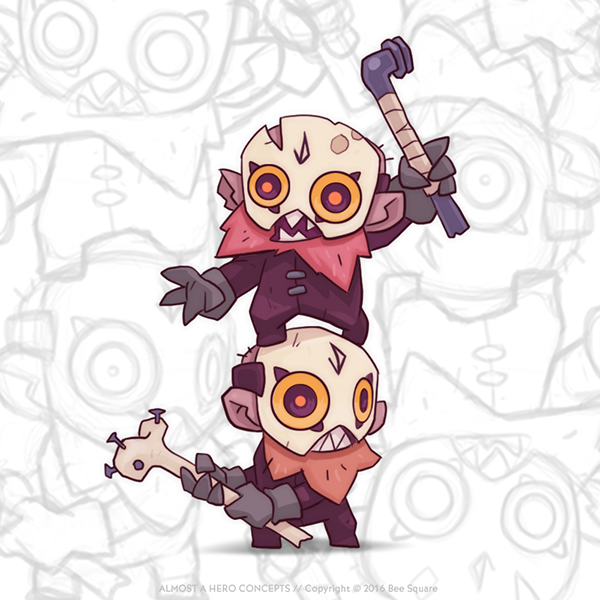
Video game character design collection II
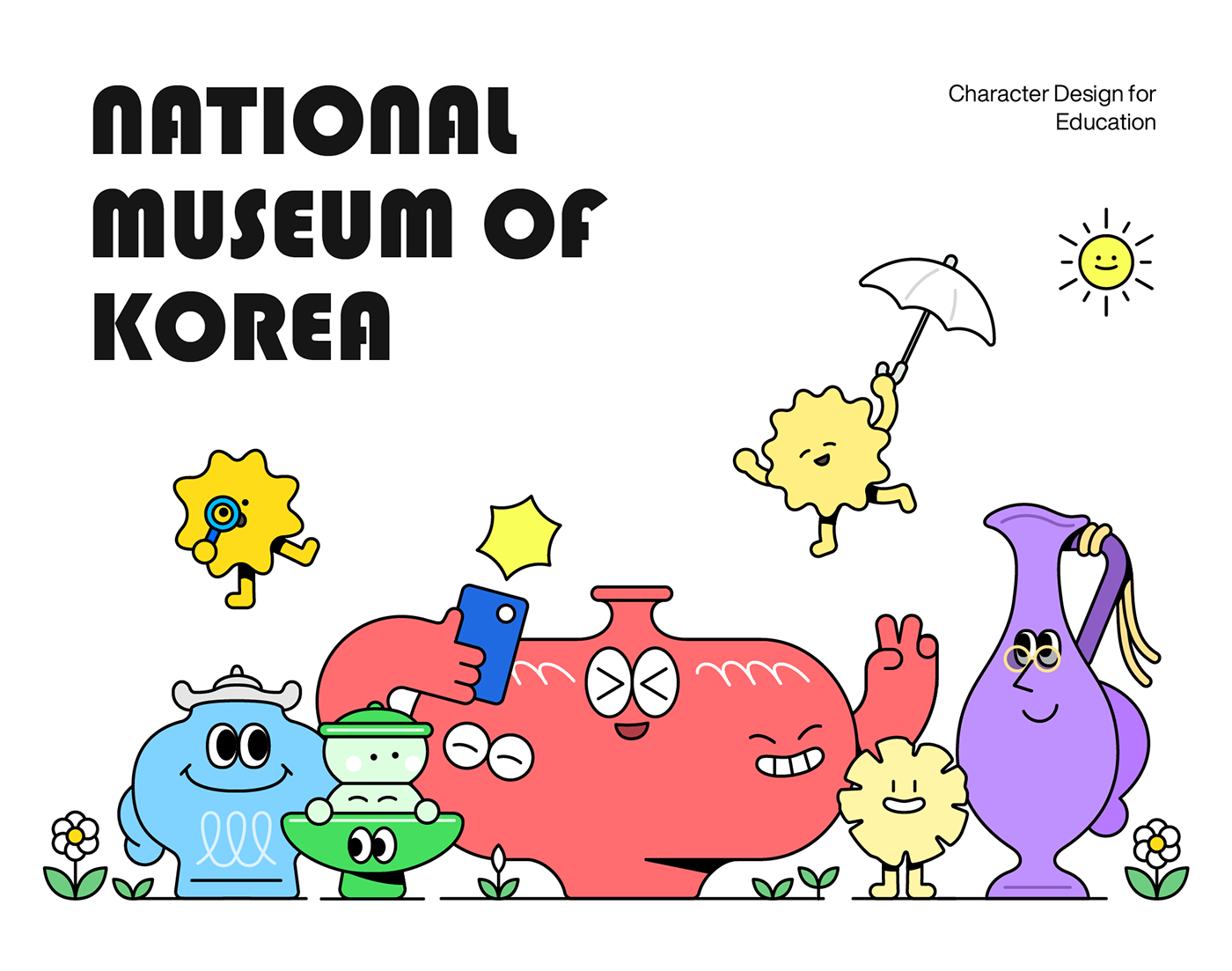
국립중앙박물관 교육과 Character design & Artifact Illustration
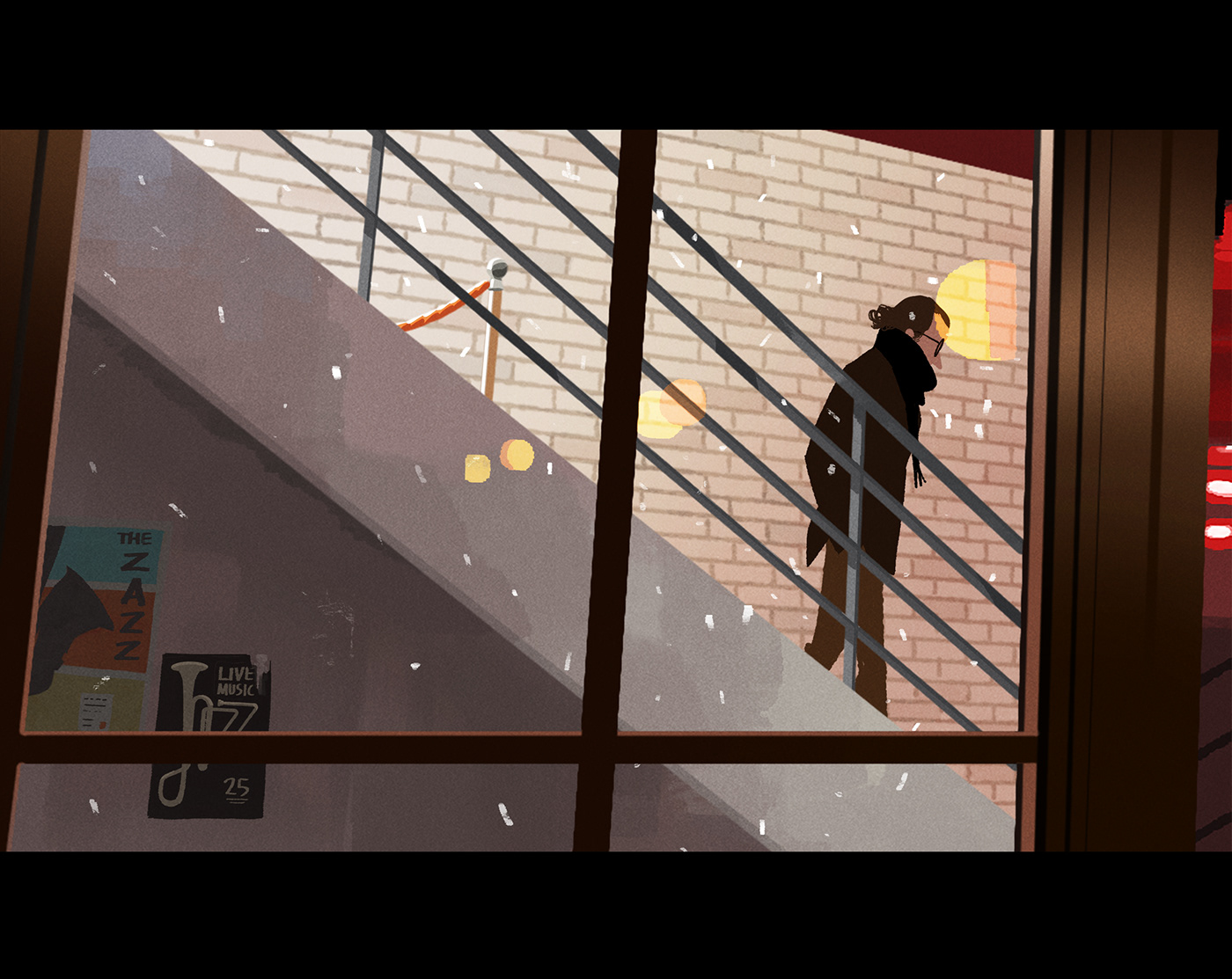
character & illustration 08
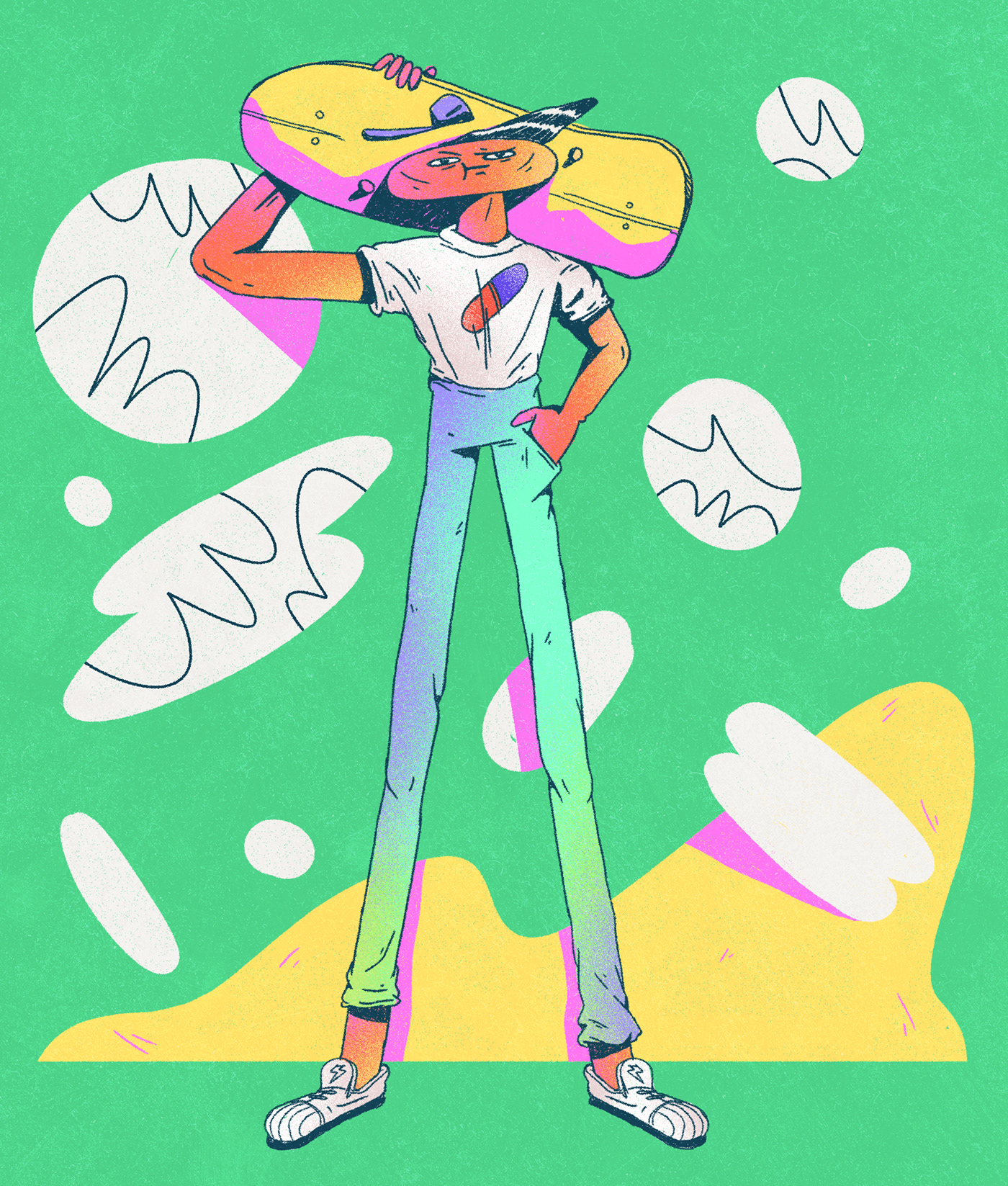
Character Design experiments
Character Design experiments A series of personal illustrations where I wanted to try out new ideas, textures, line work and shapes to design different characters. Hope you like it!

Daily Character design
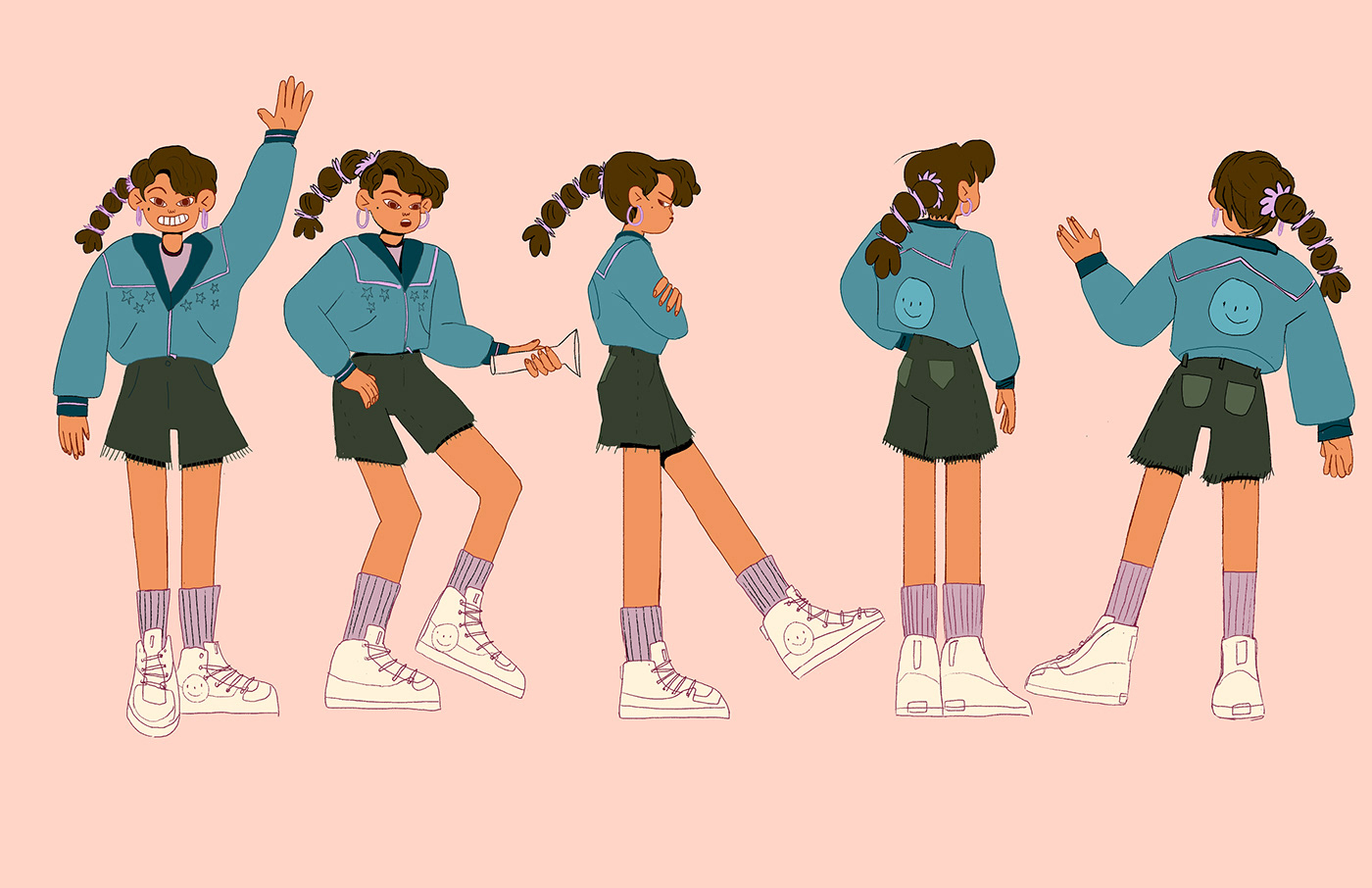
character design 2018
Character designs that I've worked on this semester!
character & illustration 05
character & illustration 05
This is 1% of what Muzli shows you.
Get the rest — fresh design inspiration on every new tab, free.
Add Muzli — free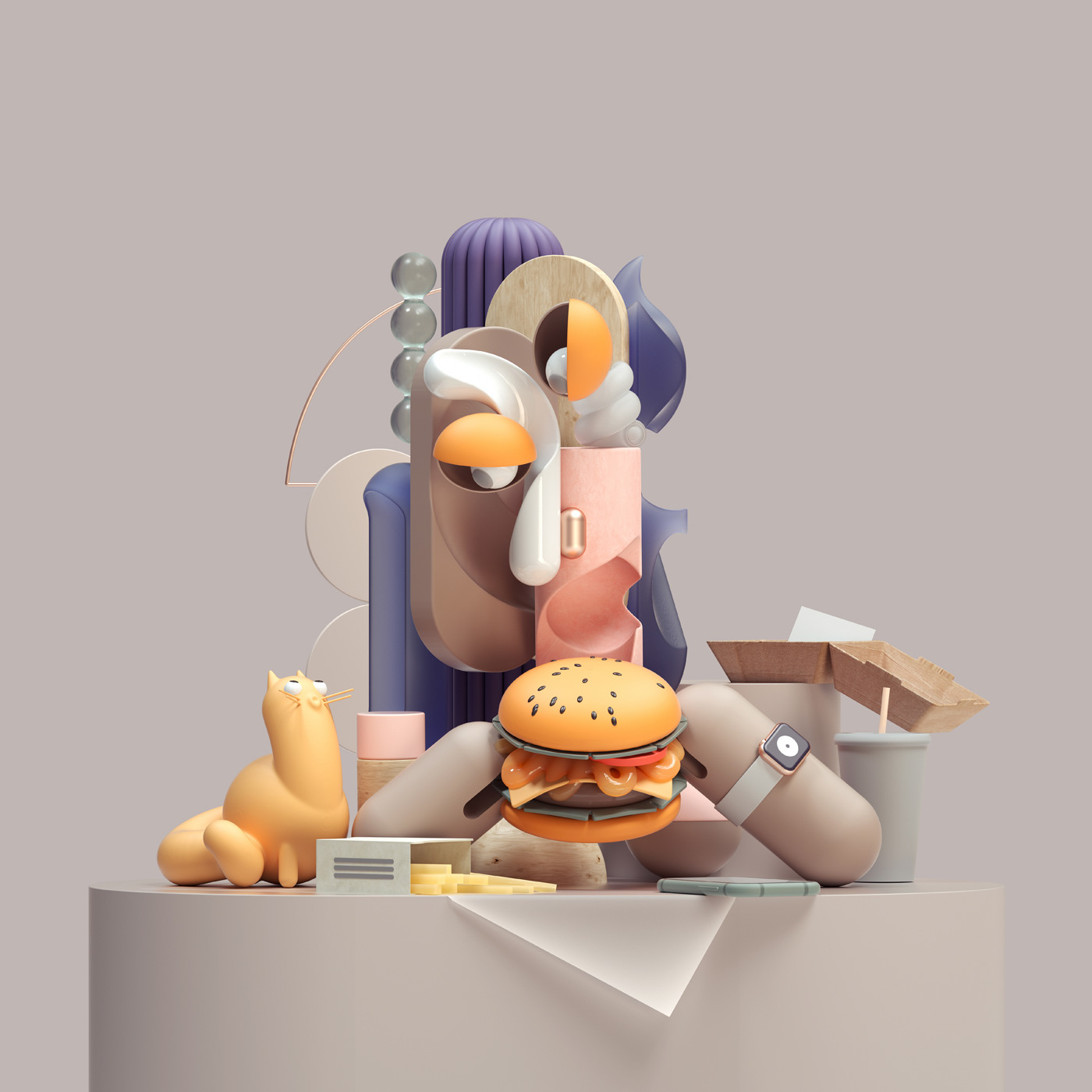
Casual (Character Illustrations IV)
CASUAL Character Illustration IV Inspired by Picasso OMARAQIL - CRStudio

Character Illustrations for Visual Storytelling
Catch some cheerful vibes with a bunch of funnily crazy character illustration concepts we worked out in the project for the Status application. Have fun!

Isle of Dogs character design
Character design for animated film Isle of Dogs
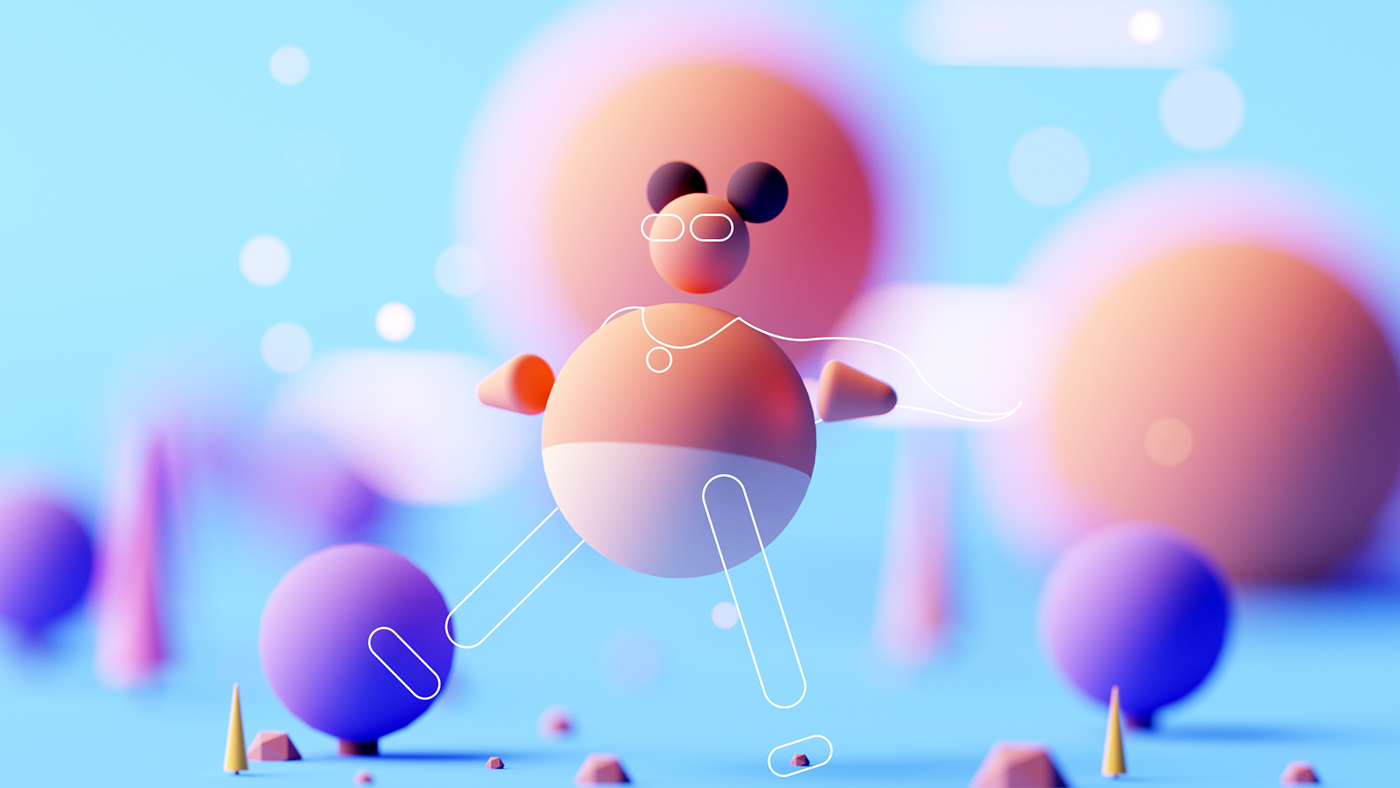
Beautiful Character Design by Gustavo Henrique
Beautiful Character Design by Gustavo Henrique abduzeedoMar 29, 2019 Gustavo Henrique shared a beautiful character design project on his Behance profile. He created simple shapes in 3D and added some simple 2D draw on them. Gustavo mentioned that he wanted to give some personalities to these shapes using very simple lines. As he said: "I tried to use less shapes and lines as possible to give them some personality. Although they are very simple I really liked how everything looks good together." In addition, I quite love the way Gustavo played with depth of field, really exaggerating the blur of the background. That created a nice separation between foreground and background. I tried to use less shapes and lines as possible to give them some personality Character Design Illustration
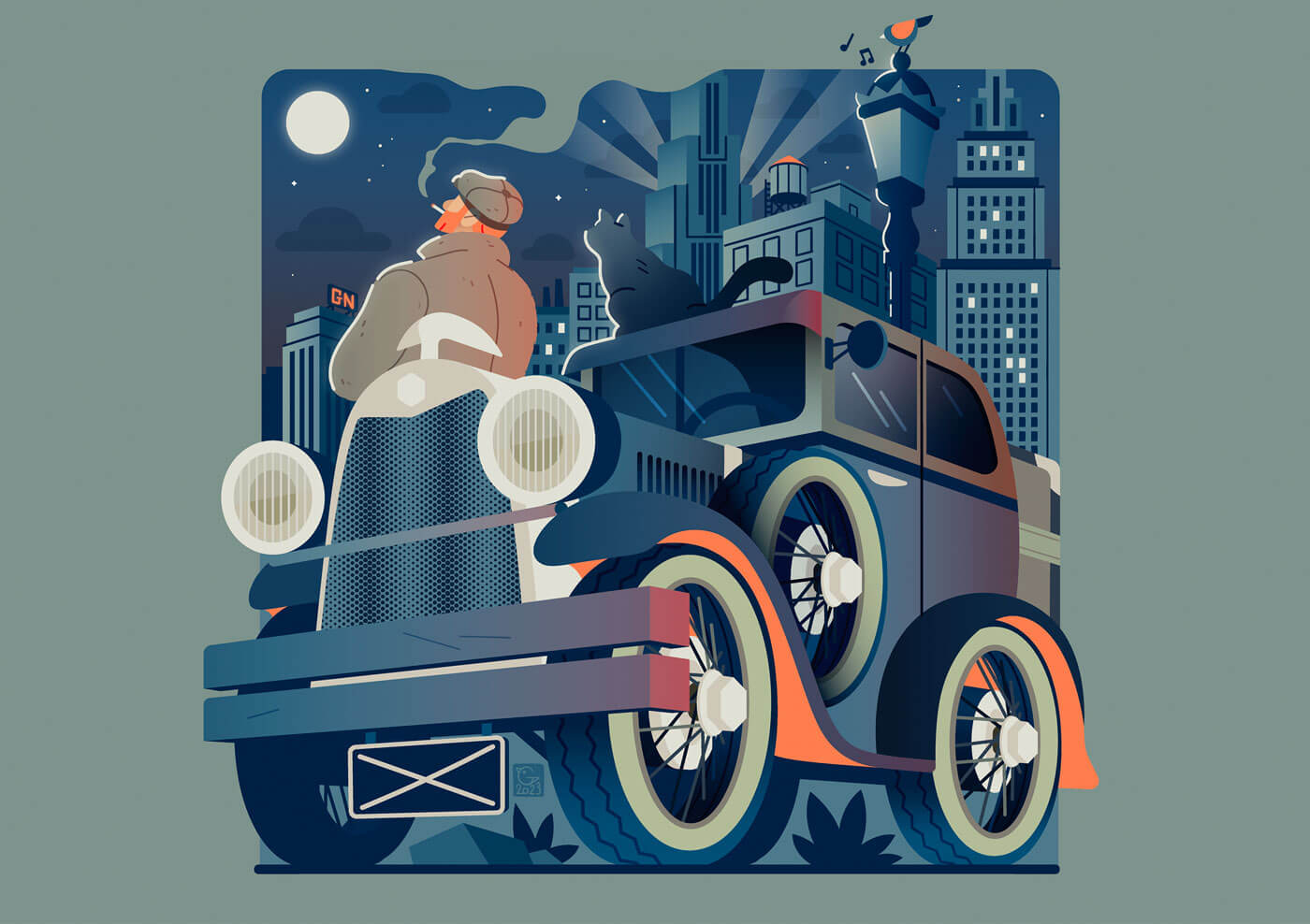
Awesome Character Illustrations by Gaspart
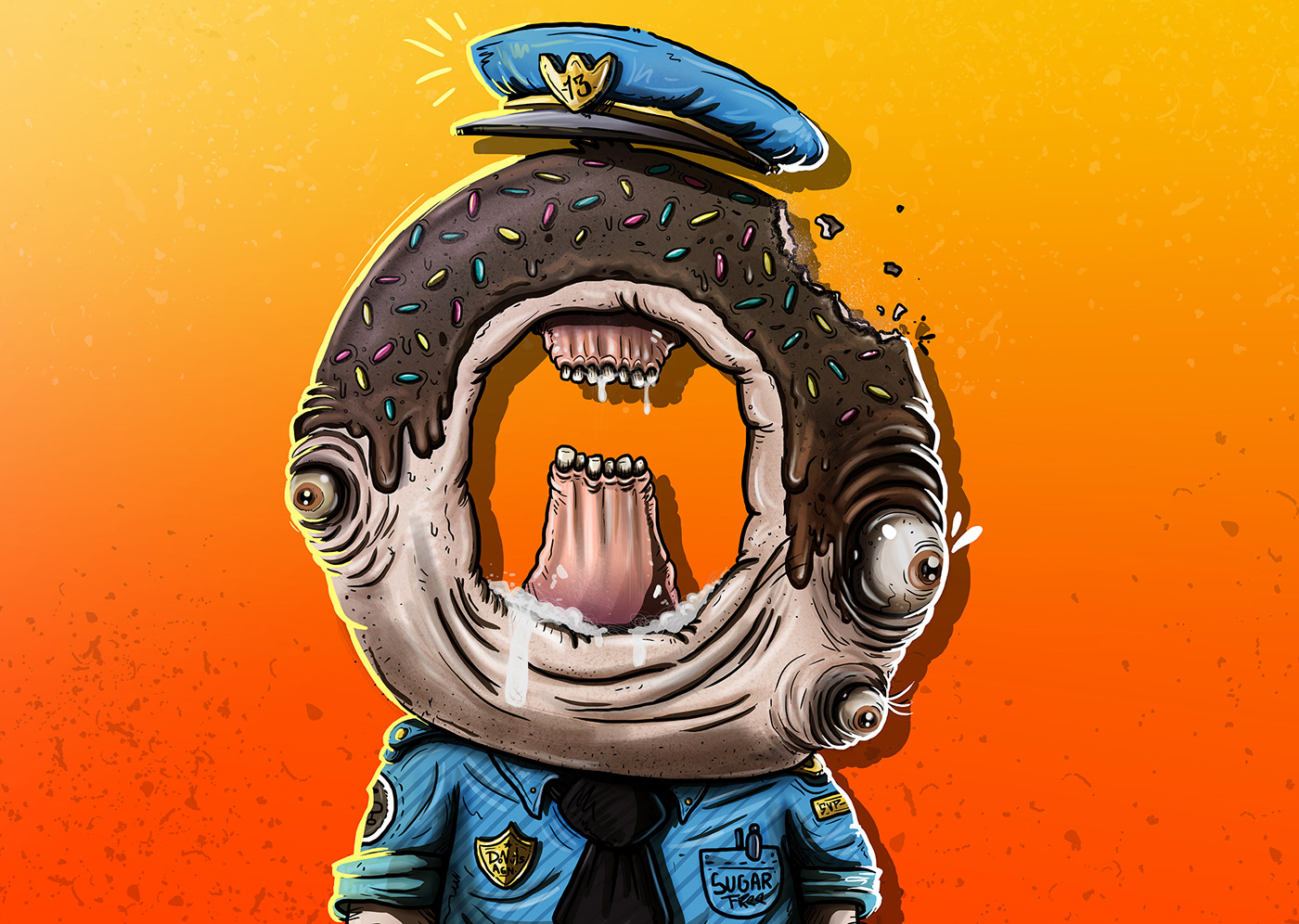
CHARACTER DESIGN // TYRUT
Character design for the TYRUT brand of Spain

animal character design

Alice Through the Looking Glass: Character Design
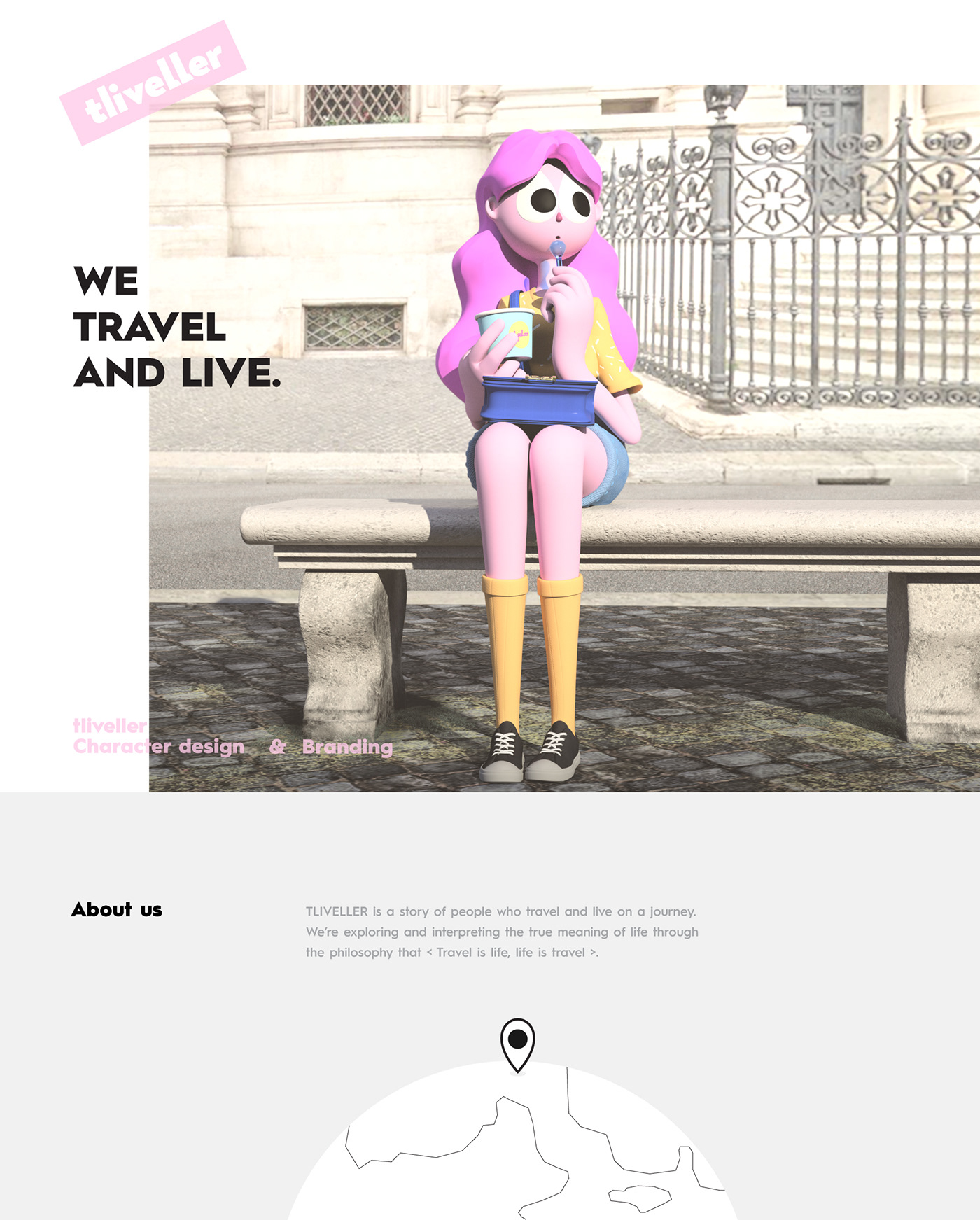
TLIVELLER - Character Design & Branding
TLIVELLER is a story of people who travel and live on a journey. We’re exploring and interpreting the true meaning of life through the philosophy that "Travel is life, life is travel". - All of characters of TLIVELLER have their own eyes which look like an icon 'Pin' showing your location on a map. Travel is meaningful only when two ‘Pin’s are connected together like between the origin and destination of the travel, even though they are far from each other. As if our daily lives are connected to travel.
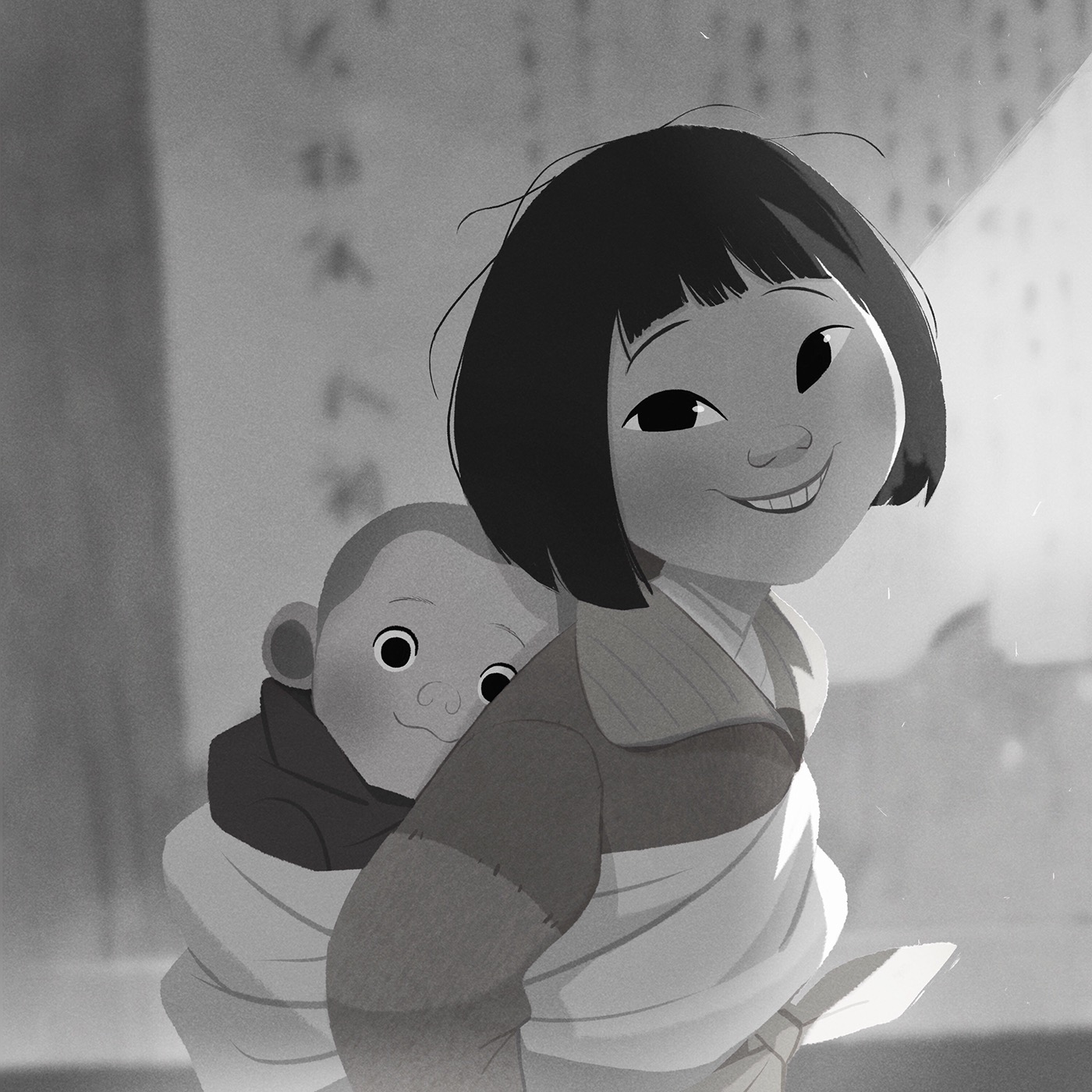
character & illustration 03
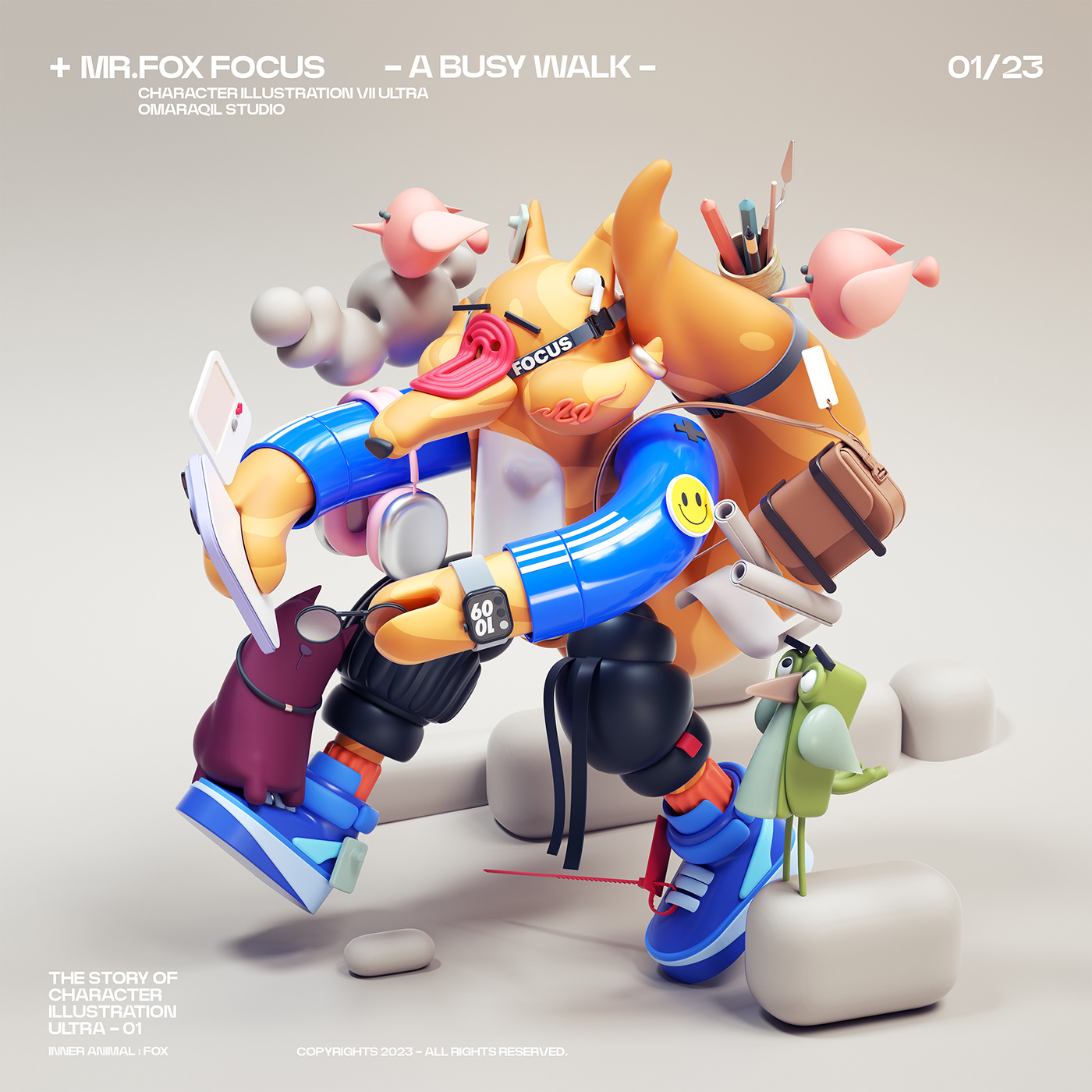
Character Illustration VII Ultra
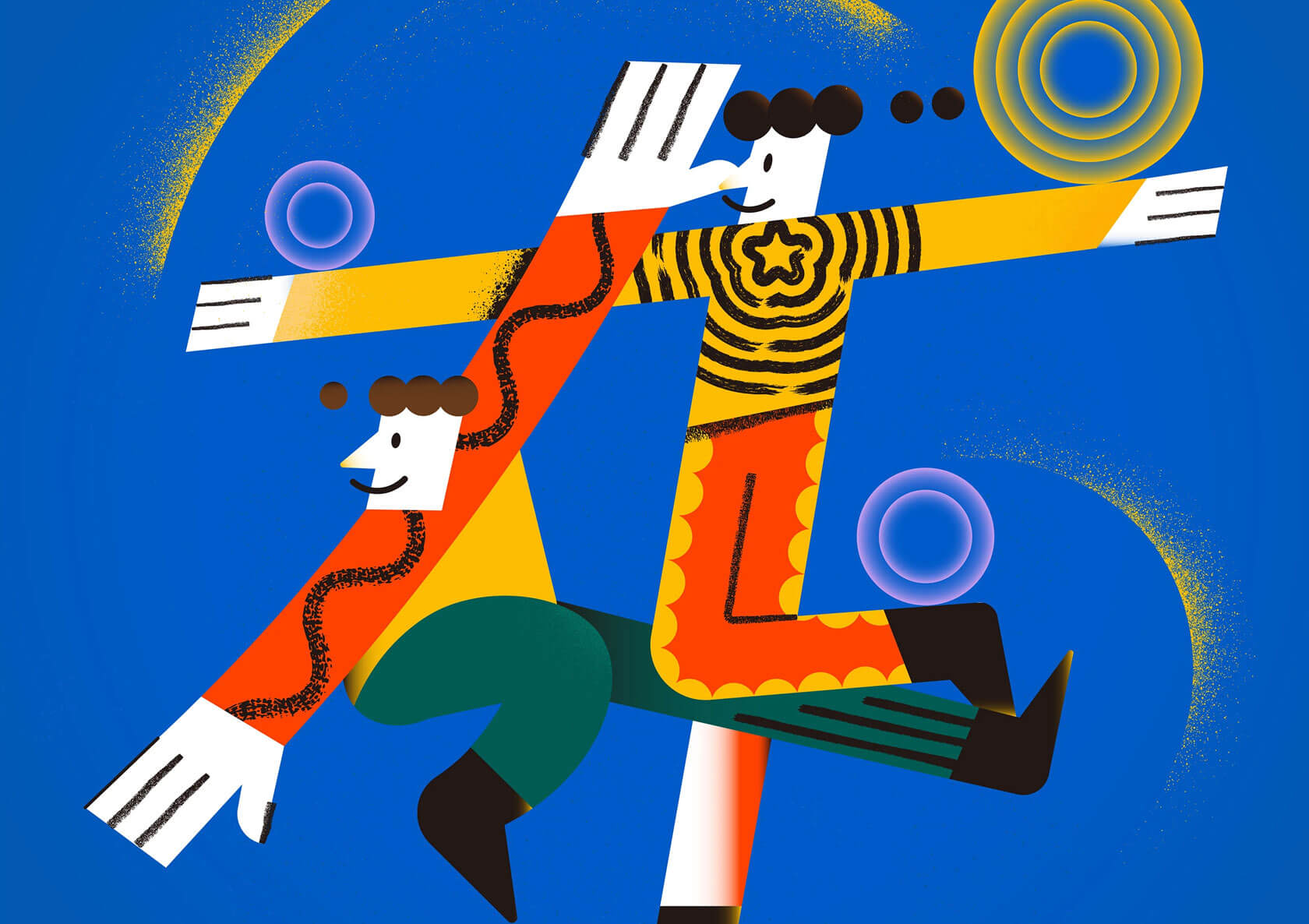
Dynamic, Pattern-Driven Character Illustrations by Zhimi Li
This is 1% of what Muzli shows you.
Get the rest — fresh design inspiration on every new tab, free.
Add Muzli — free
RPG style character design by Manda Schank
designed this character on twitch with my twitch chat https://www.twitch.tv/amsbtt
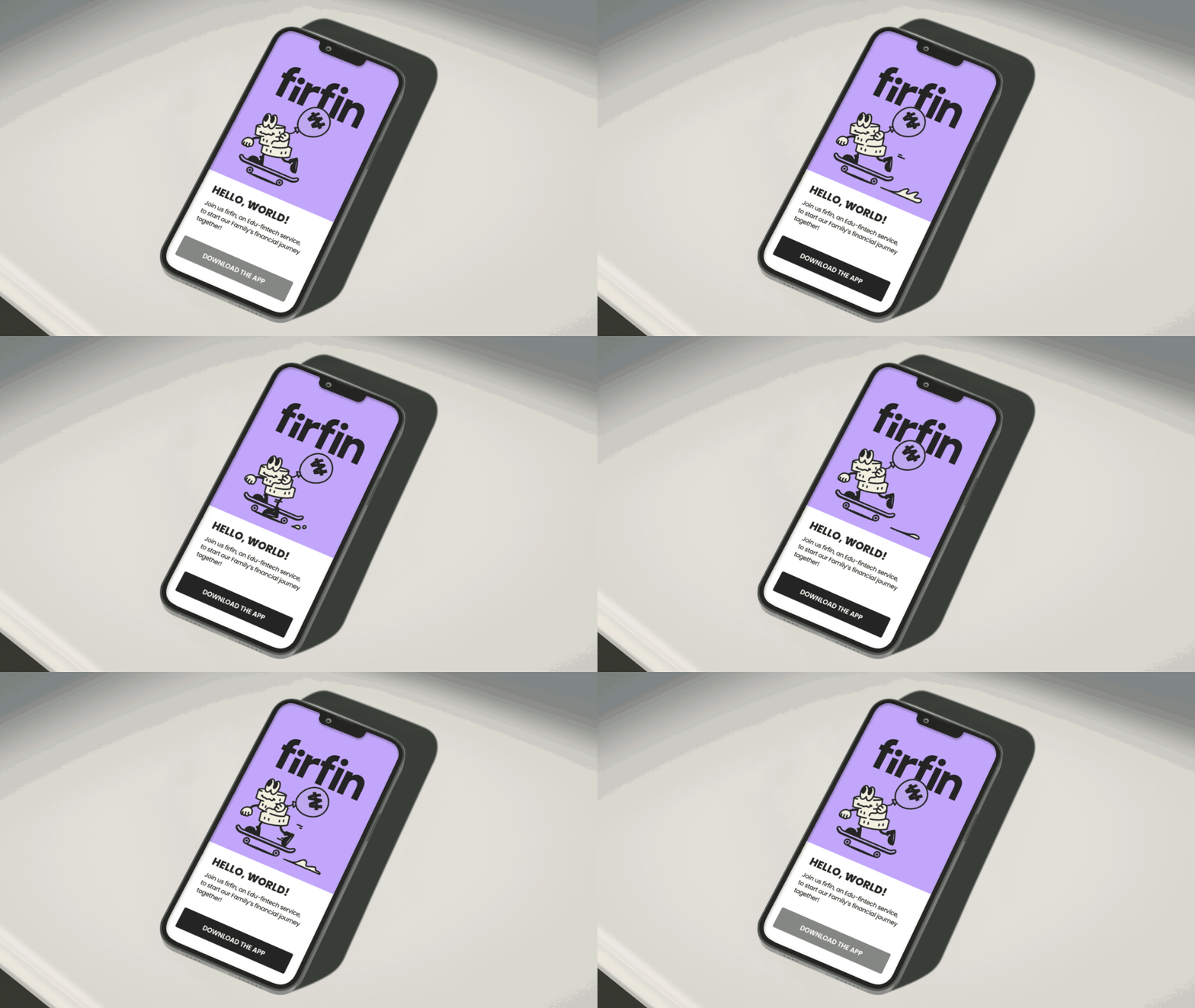
Firfin Brand Identity & Character Design
Firfin is an Edu-Fintech app service that allows children to manage their pocket money independently. Mobills Group designed Firfin's brand identity and characters to make it easier for children to build financial knowledge.

Key Art Character Illustrations by Terraform Studios
Key Art Character Illustrations for Wildcard Alliance by our Character Concept Artist Narendra Adi https://www.artstation.com/bukandewa Art Director: Dan Fadness https://www.artstation.com/danielfadness Creative Director: Finnian MacManus https://www.artstation.com/fmacmanus Assets provided by Wildcard Alliance
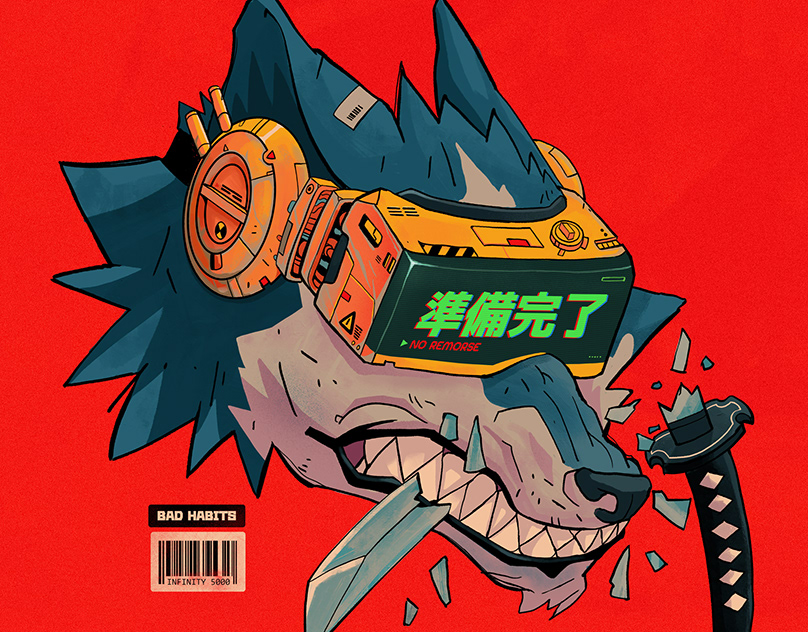
Character design 02

Character design by Min Zhang
false
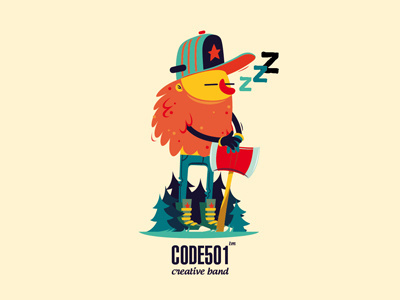
001_lumberjack_code501 #design #character #illustrations #lumberjack

Nature - character illustrations

YOKAI CREW | character design
A second chance. What if such an opportunity were granted to wandering yokai? In atonement for their past transgressions these yokai now strive to assist human lives. By utilizing plasma-powered machinery, they endeavor to make the most of this newfound chance. Chochin-obake, Kodama, Kappa, Yurei, Nekomata, and Oni. Together, they form a group called the Yokai Crew.
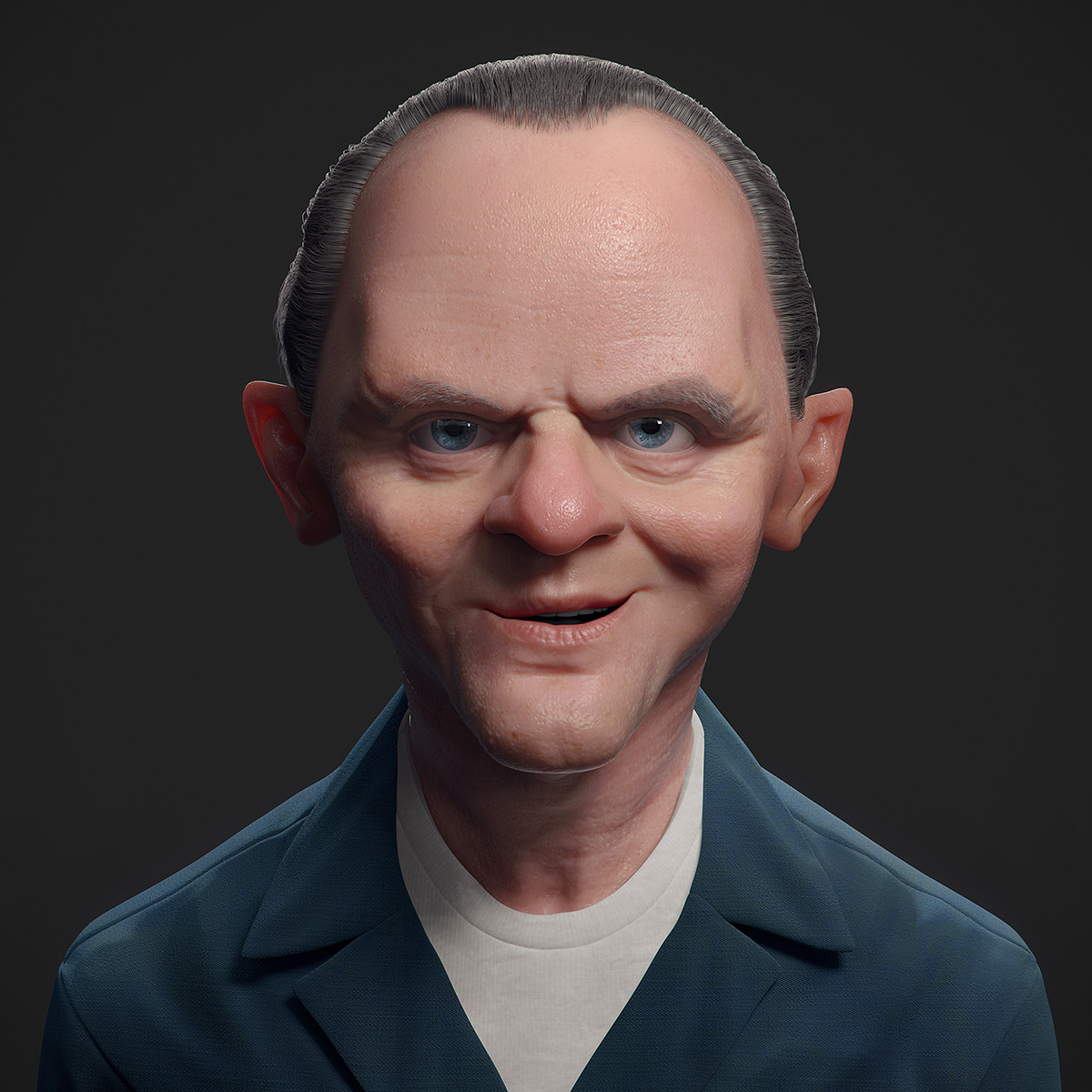
Character Design & Illustrations by Guzz Soares

Character Illustrations 2023-2024
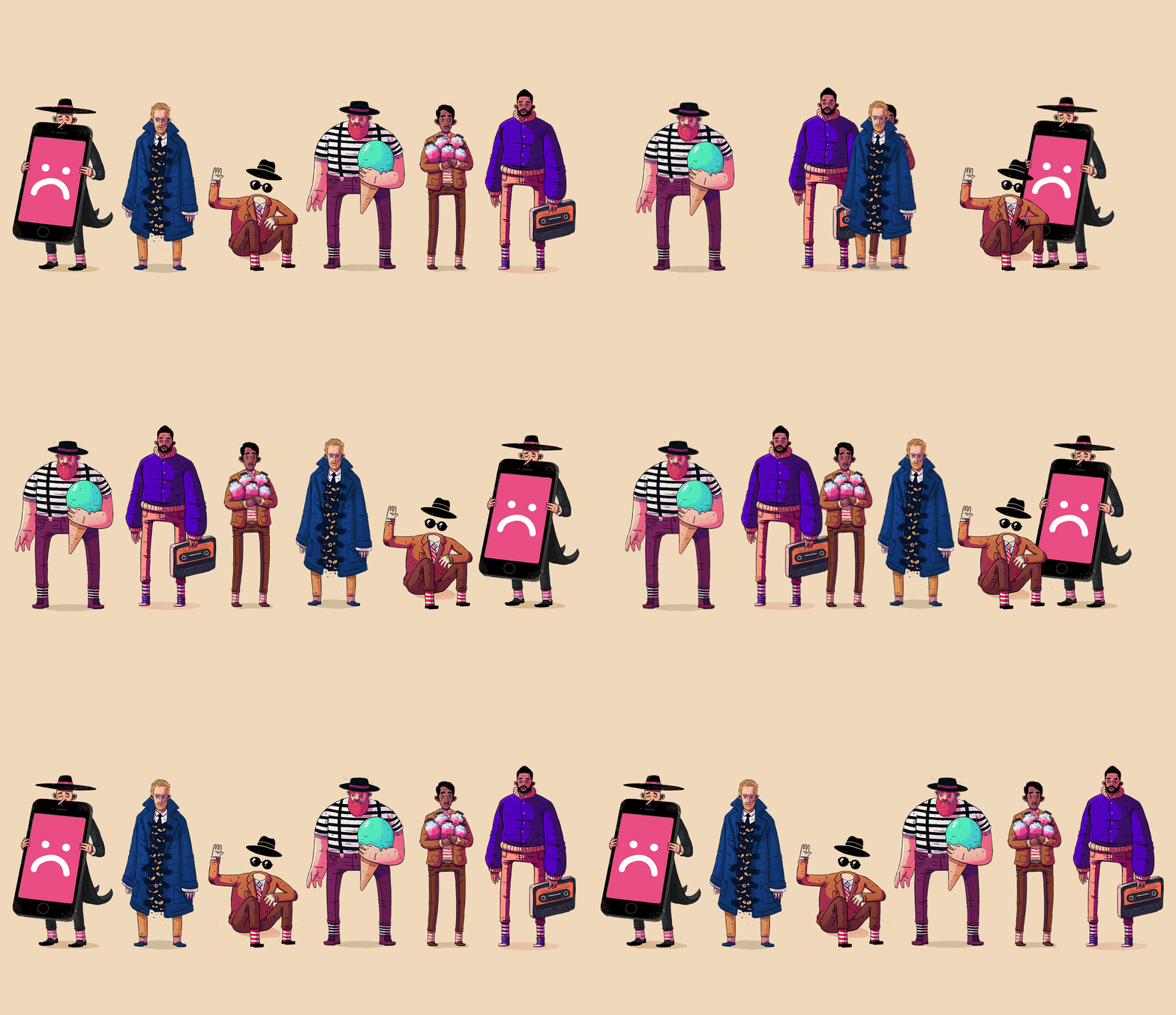
Socks - Character Design
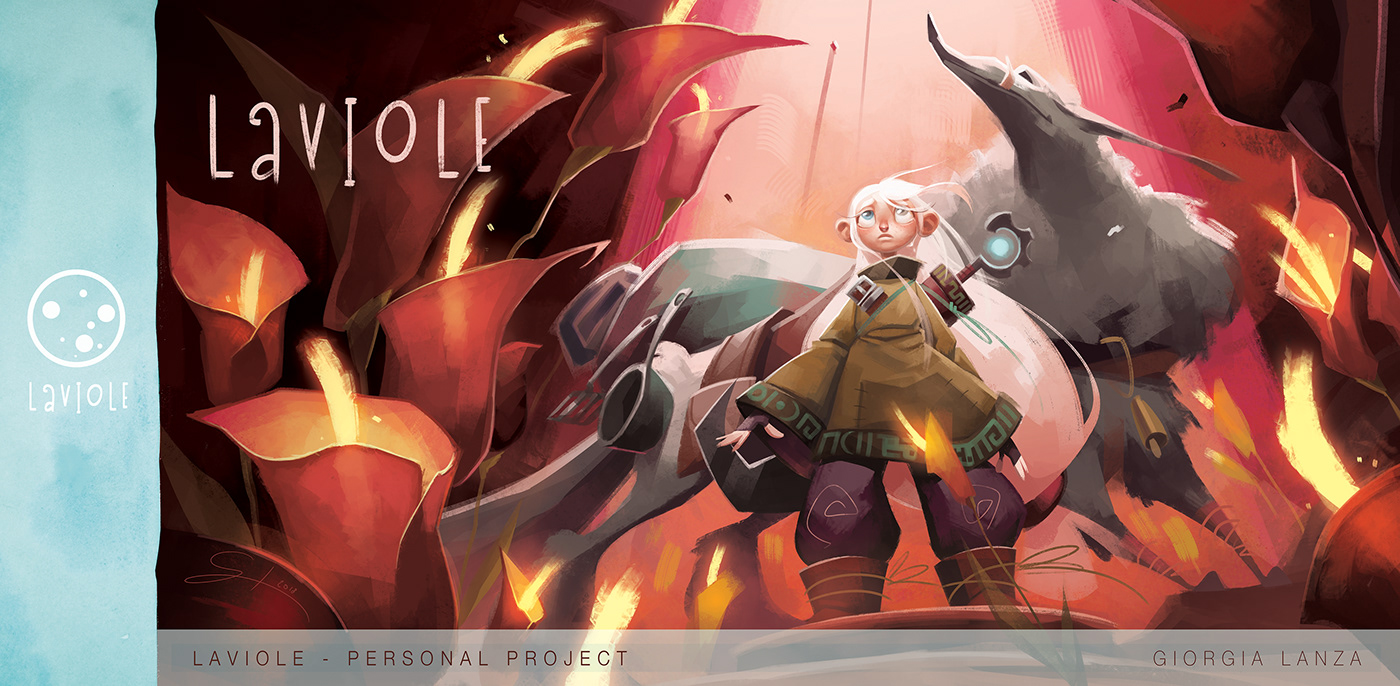
LAVIOLE_ Character Design Project
Laviole is an original character who joined me through many years of drawing and practicing. I'm very fond of her, I wanted to dedicate a proper character design study to her. Between work and private life, this project took 8 months to be completed. Enjoy
This is 1% of what Muzli shows you.
Get the rest — fresh design inspiration on every new tab, free.
Add Muzli — free
Character Design by Santiago Betancur

Character design

character design
EVERBEBE character design

Line-up #7 - Character design collection
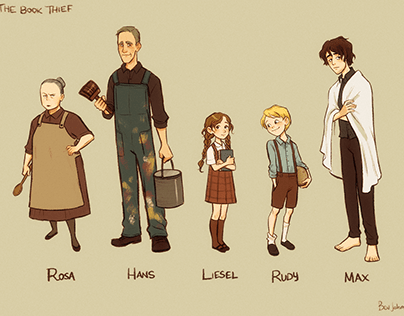
Summer 2021 Character Design

Masters of Anatomy - character design book

Everybody Hates Chris - Character Design
Personal project.
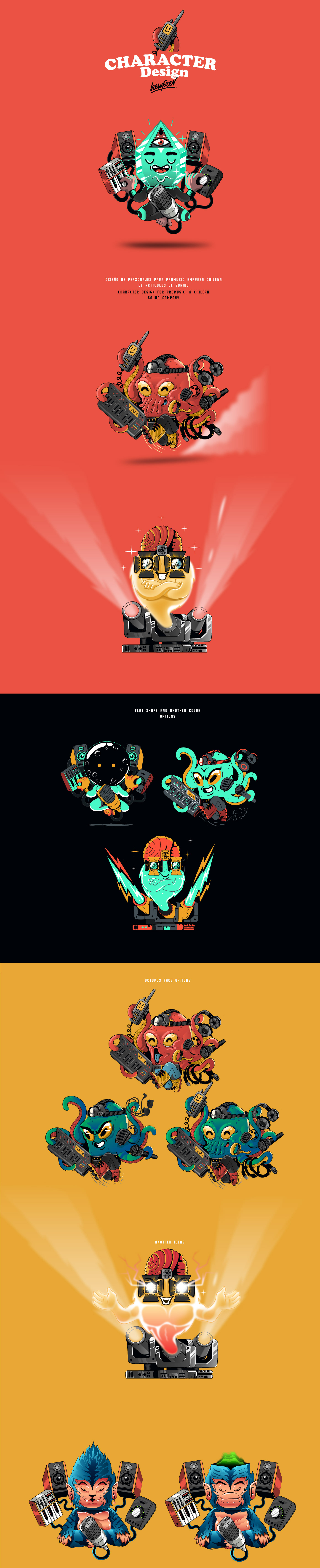
Character Design For Promusic company
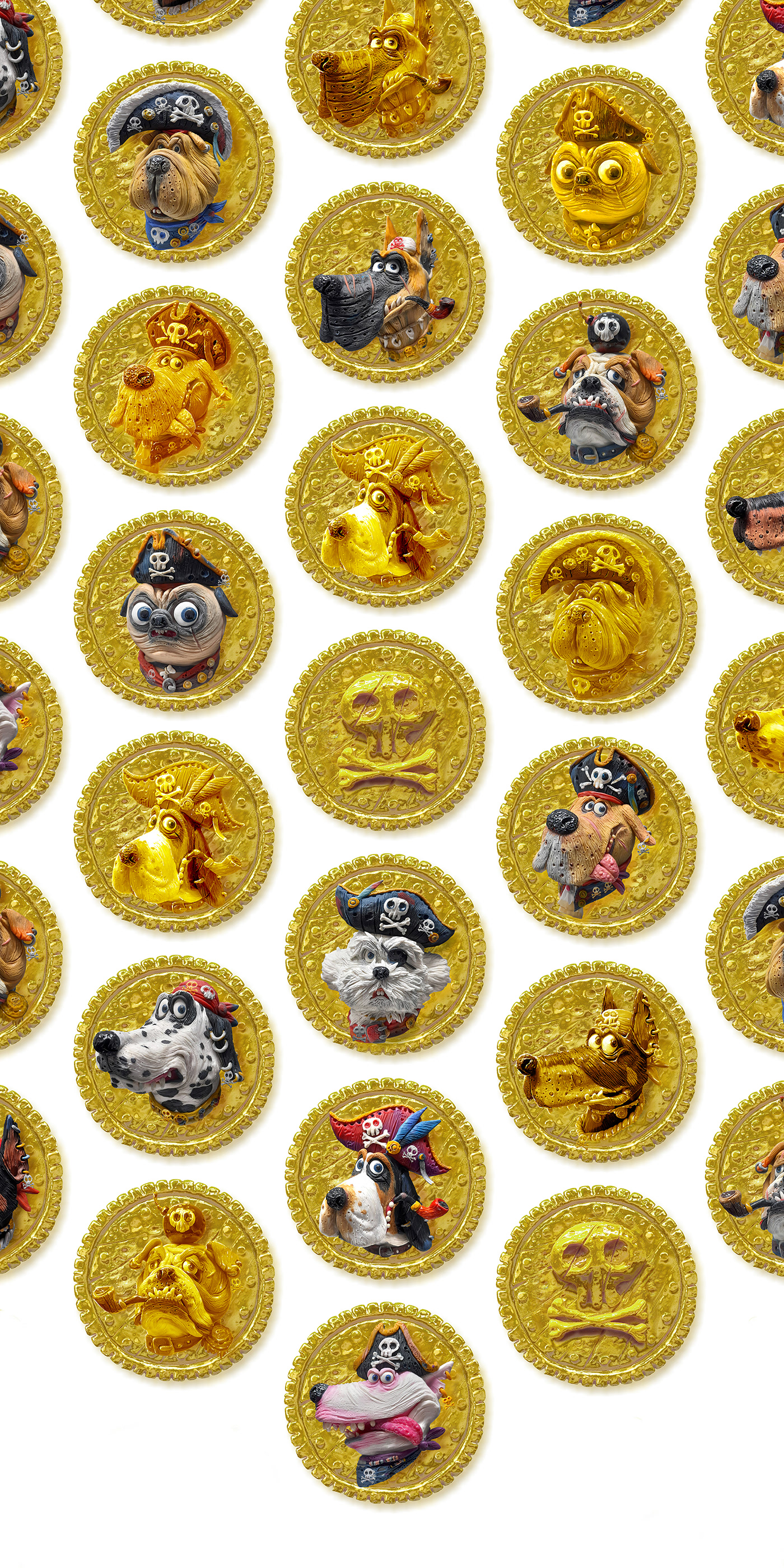
Pirate coin NFT dog character illustration
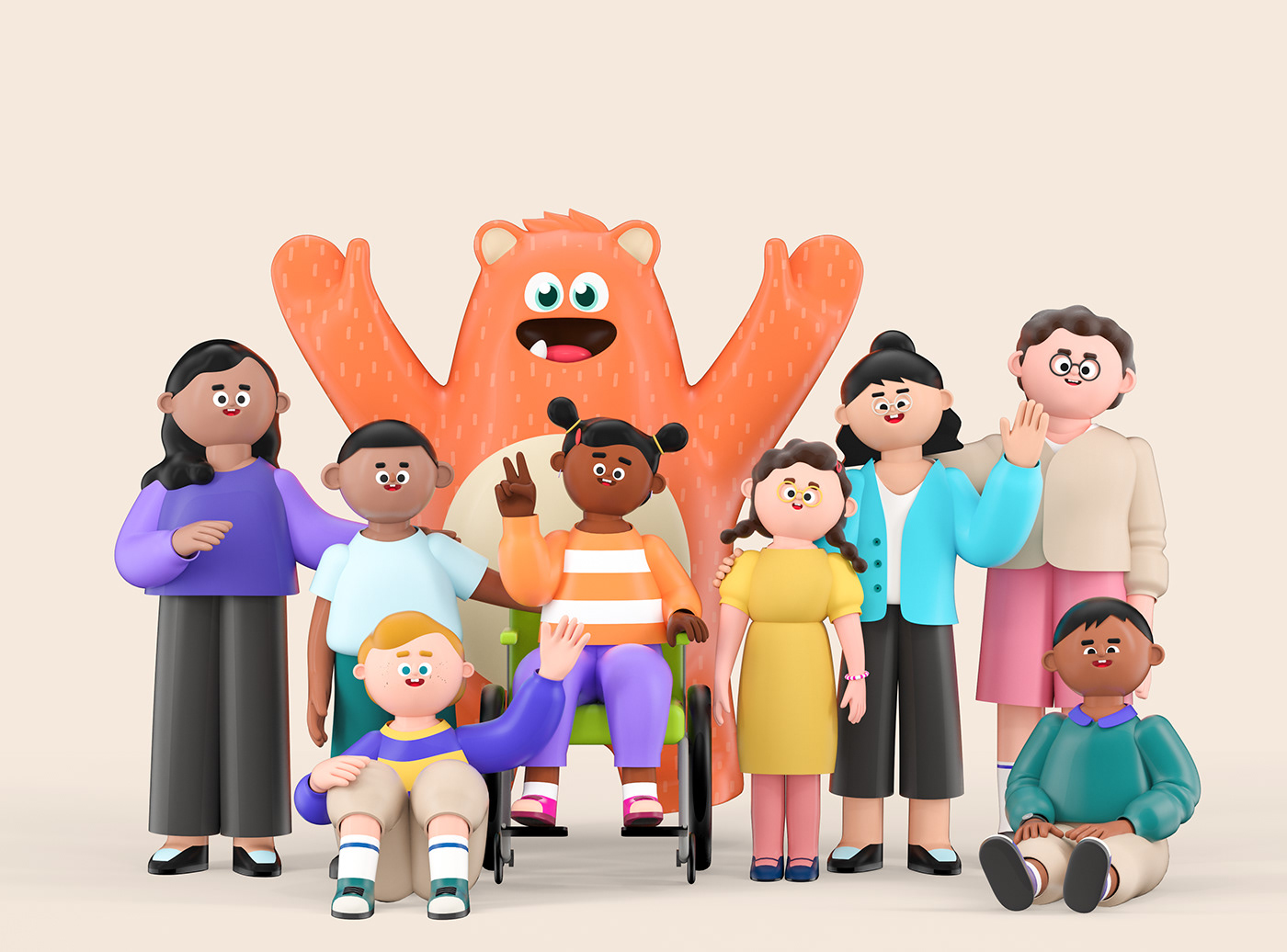
Prodigy Character Illustration
My Top 10 & Free Character Illustration Resources ✍️
There’s a trend out there that can be seen on many mayor websites and apps these days: Illustrations of objects, people and life…Continue reading on Muzli - Design Inspiration »

character design by Hugo Richard
just a few ideas that i had lately thanks to my buddy Fred Rambaud for the feedback, you`re awesome poha!
This is 1% of what Muzli shows you.
Get the rest — fresh design inspiration on every new tab, free.
Add Muzli — freecharacter design by Hugo Richard
Get access to thousands of freshly updated design inspiration pieces by adding Muzli to your browser.
Loved by 900k designers worldwide, Muzli is the leading go-to browser extension for creative professionals.
What are the core principles of character design for digital media?
Character design for digital use requires a different set of constraints than character design for print or traditional illustration. Digital characters must work at extreme scale ranges — from 16px app icon to 1920px hero image — must support animation, and must communicate personality through simplified forms that read clearly against variable backgrounds. The foundational principle is that character design is a problem of clear visual communication first, artistic expression second.
How do you test whether a character design has strong visual identity?
The silhouette test is the gold standard: if you cannot identify the character from its solid black silhouette alone, the design doesn't have sufficient visual identity. Strong characters have 2–3 distinguishing features that own that silhouette: an unusual head shape, a distinctive accessory, or a unique proportional relationship between body parts. Character families need silhouette distinctiveness not just individually but relative to each other — each character should be instantly distinguishable from any other at a glance.
How does designing characters for animation differ from designing for static use?
Animation-ready character design requires thinking in 3D even when the final output is 2D: does the head turn naturally? Do the limbs have clear joint positions? Is the face designed so expressions can be achieved by repositioning existing elements rather than replacing them? Rig-friendly character design minimizes overlap between body parts, keeps elements on predictable axes, and defines anchor points for each articulated segment. Static character design can be more complex and asymmetric — it doesn't need to survive 24 frames per second in motion.